Six Months Before Delhi Building Collapse, Owner Ignored Warning
A municipal probe revealed that the owner of the Chawri Bazar structure received an official notice to halt construction six months before the fatal collapse, yet proceeded with illegal additions. The tragedy has intensified scrutiny of Delhi’s building‑approval mechanisms and exposed systemic gaps in enforcement.
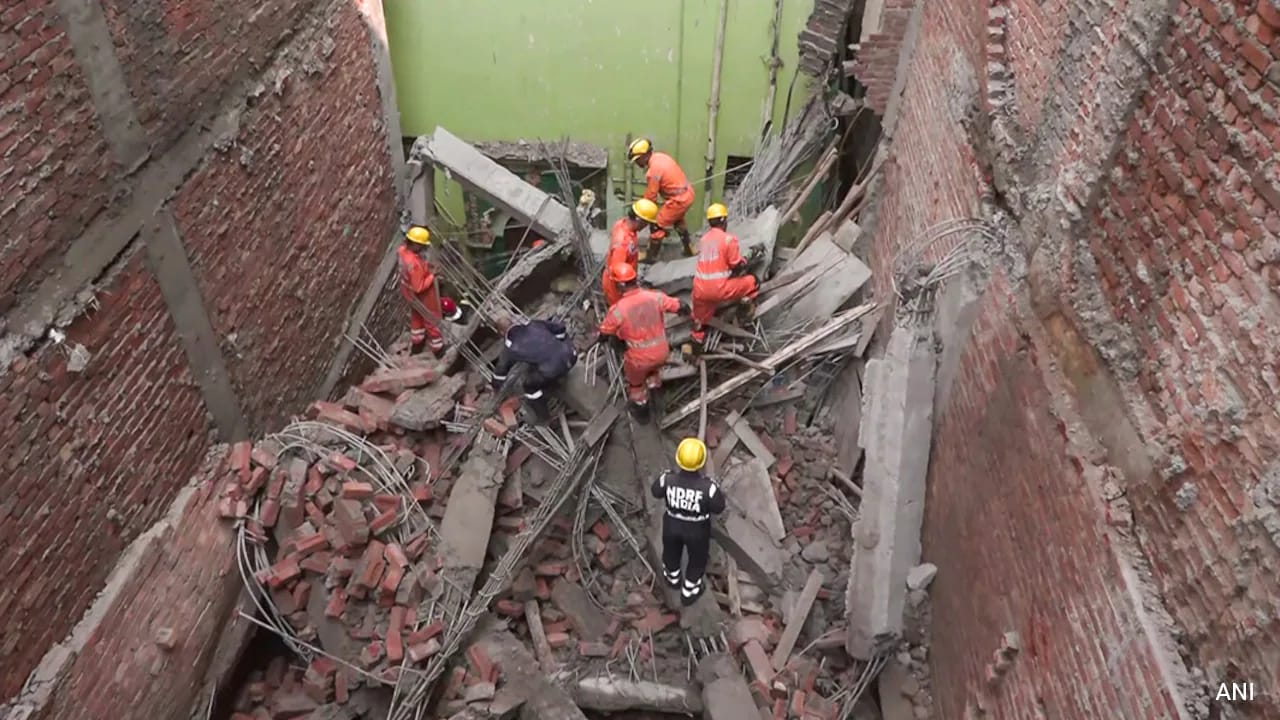
The Delhi Municipal Corporation’s investigation into the Chawri Bazar building collapse uncovered a stark sequence of regulatory neglect. In April, inspectors issued a formal warning citing structural deficiencies and ordering an immediate cessation of any further work. Despite the directive, the owner allegedly commissioned additional floors, bypassing required permits and concealing the alterations behind a veneer of routine repairs. This defiance set the stage for the catastrophic failure that claimed multiple lives and left dozens injured, prompting a wave of public outrage and demands for accountability.
The incident has laid bare the frailties of Delhi’s urban governance, where overlapping jurisdictions and a backlog of pending cases often dilute the potency of enforcement actions. Legal experts point to a culture of informal negotiations between developers and officials, which can erode the authority of written notices. Moreover, the rapid pace of commercial expansion in historic districts creates pressure to sidestep procedural safeguards, a dynamic that the Chawri Bazar case exemplifies. Civil society groups are now calling for a comprehensive audit of all high‑rise structures that have received similar warnings.
In response, the municipal authority announced a series of remedial measures, including the establishment of a rapid‑response task force to monitor compliance with stop‑work orders and the deployment of independent structural auditors for at‑risk buildings. The government also pledged to digitise permit records to enhance transparency and reduce opportunities for clandestine alterations. If these reforms are implemented earnestly, they could restore public confidence and prevent a recurrence of such tragedies, though their success will depend on sustained political will and resource allocation.
Comments 0