S&P Projects India and Vietnam to Outpace China in 2027 Growth
Standard & Poor's forecasts that India will sustain a seven percent expansion rate, positioning it alongside Vietnam as the primary engine of Asian economic momentum while China decelerates. This projection cements the structural shift in global manufacturing and consumption away from the Chinese periphery toward the Indian subcontinent.
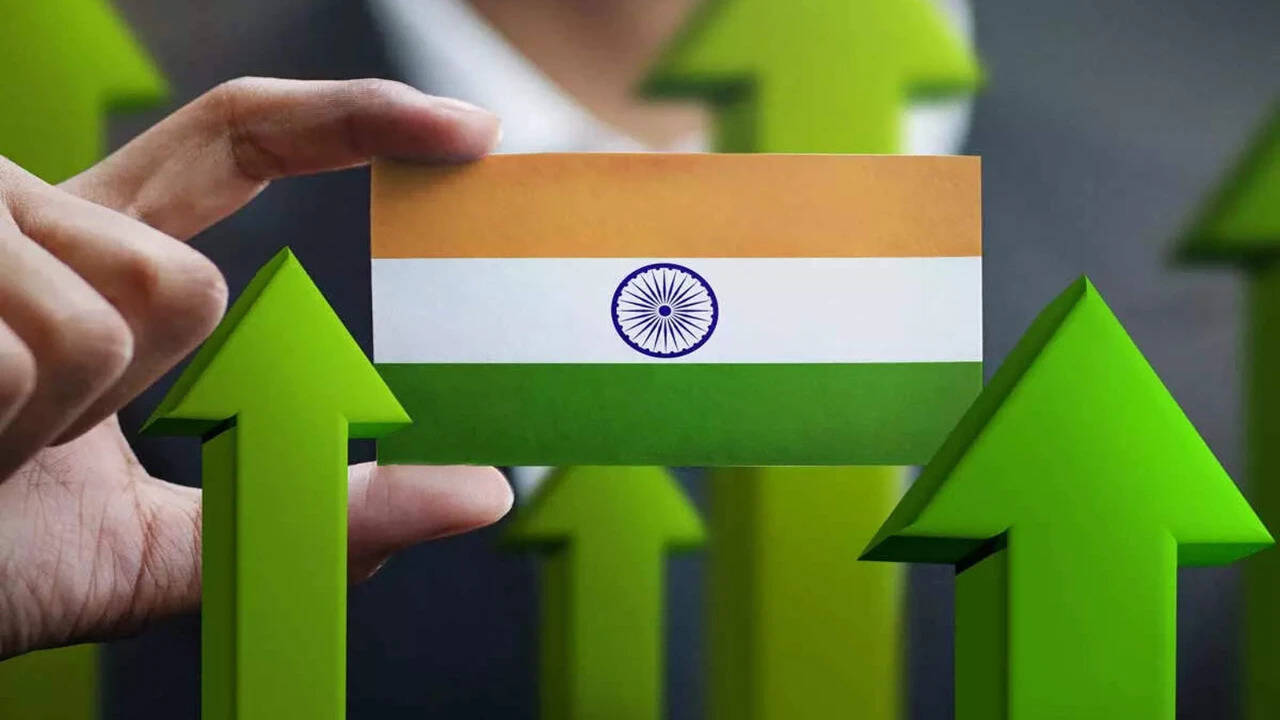
The release of the latest Standard & Poor's outlook marks a definitive recalibration of global economic expectations. By identifying India and Vietnam as the leading growth forces in the Asia-Pacific region for 2027, the agency signals that the era of Chinese dominance in regional expansion is waning. India’s projected seven percent growth rate is not merely a statistical anomaly but a reflection of deepening domestic consumption and a maturing industrial base that is increasingly insulated from external shocks. This forecast places the Indian economy in a distinct tier, separate from the slowing giants of the East, and suggests that capital flows will continue to reorient toward markets with higher velocity and demographic tailwinds.
The underlying tension in this projection lies in the divergence between policy intent and structural reality. While the numbers suggest robust momentum, the path to sustaining such growth requires navigating significant institutional frictions, including labor market rigidity and infrastructure bottlenecks. The comparison with Vietnam highlights a competitive dynamic where both nations are vying for the same pool of foreign direct investment and supply chain realignment. For India, the challenge is to translate this macroeconomic optimism into tangible industrial output that can withstand the scrutiny of global investors who are increasingly wary of governance inconsistencies and regulatory unpredictability.
The downstream consequences of this forecast are already visible in the strategic positioning of multinational corporations. Companies are accelerating their diversification strategies, moving beyond the 'China plus one' model to a 'China plus many' approach where India holds a central role. This shift carries tangible outcomes for the Indian workforce, as the demand for skilled labor in manufacturing and services is expected to surge. However, it also places immense pressure on the state to deliver on infrastructure promises, ensuring that the physical and digital connective tissue of the economy can support the projected scale of activity without succumbing to systemic overload.
Comments 0