Structural Vulnerabilities Exposed as Liquidity Crunch Grips Hormuz Supply Routes
Liquefied natural gas prices face steep upward pressure as maritime transport bottlenecks persist through the Strait of Hormuz. European and Asian importers are locked in fierce competition for spot cargoes.
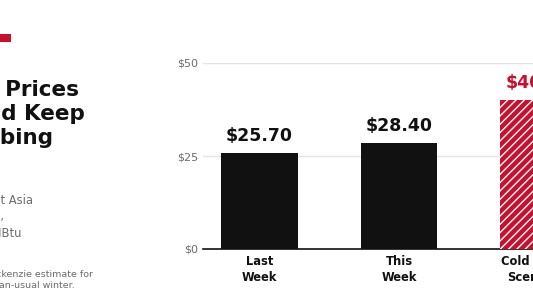
Global energy markets are confronting severe supply constraints as maritime logistics through the critical Strait of Hormuz remain restricted. Industrial consumers across Europe and Asia find themselves bidding against one another for dwindling spot cargoes of liquefied natural gas ahead of the peak winter heating season. Analysts indicate that current pricing structures have room to climb by significant margins, threatening manufacturing output across energy-dependent economies. The underlying vulnerability stems from chronic underinvestment in hydrocarbon production capacity combined with an over-reliance on fragile maritime chokepoints. While governments have rhetorically embraced green energy transitions, industrial base stability remains inextricably tied to fossil fuel baseloads. Geopolitical flashpoints in the Middle East amplify these supply insecurities, exposing the fragility of globalized energy supply chains. Manufacturing enterprises and municipal utilities bear the immediate cost of these inflated commodity prices, resulting in compressed profit margins and higher utility tariffs for end consumers. Energy-intensive industries in Europe face permanent structural decline as operations become economically unviable. Governments are forced to intervene with emergency subsidies, straining fiscal budgets to prevent widespread economic contraction.
Comments 0