Supreme Court bars obstruction of lawyers and journalists during Delhi protests
The Supreme Court issued a directive affirming that lawyers, journalists and other professionals cannot be impeded while performing their duties amid protest restrictions in Delhi. The order intensified debate over civil liberties and law‑enforcement powers in the capital.
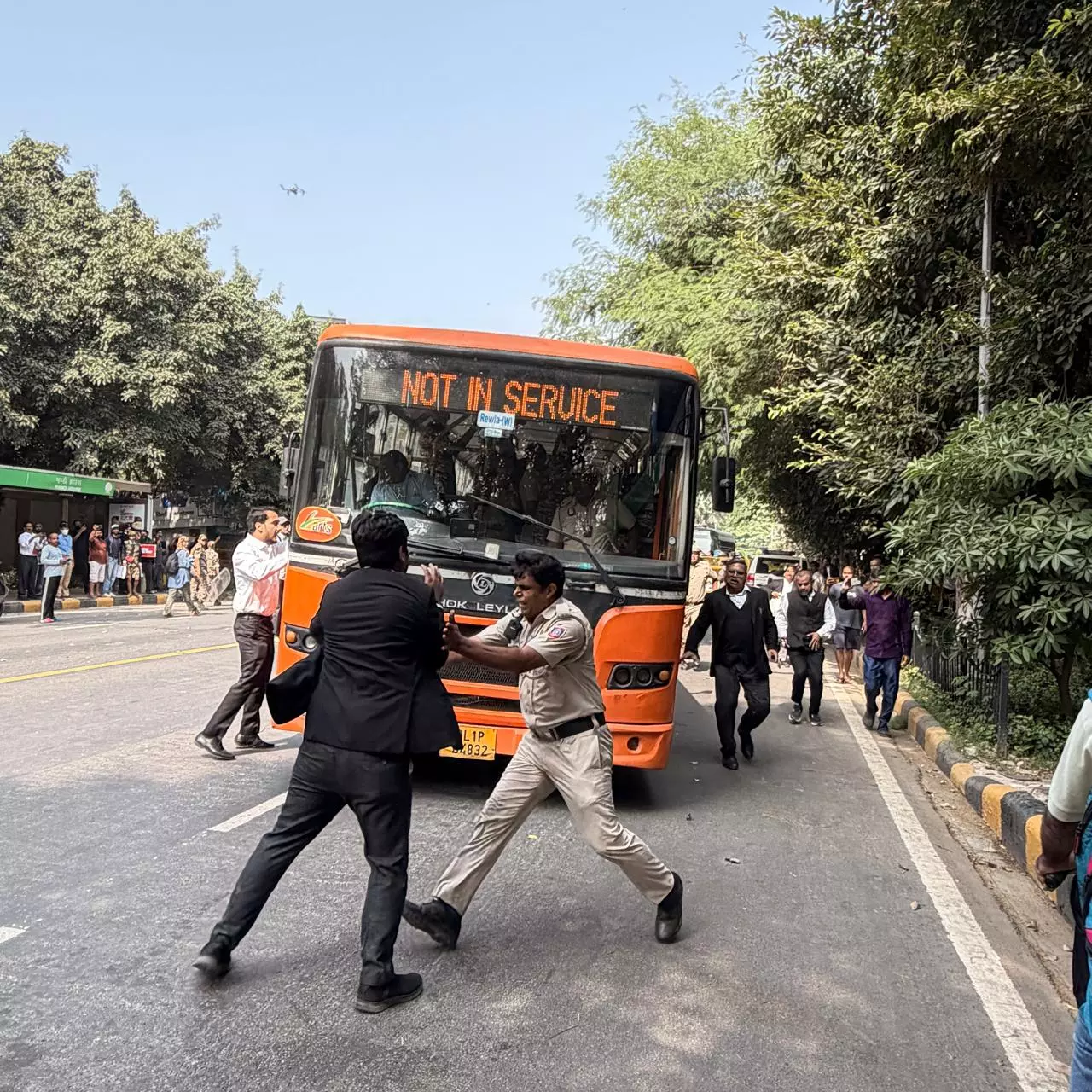
In a concise judgment delivered on the bench of India’s highest court, the justices emphasized that the Constitution guarantees unhindered access for legal practitioners and members of the press to fulfil their constitutional roles, even when public order concerns arise. The ruling responded to petitions filed by bar associations and media organisations that alleged police had placed undue barriers on their movement during a series of demonstrations against recent policy changes. By invoking fundamental rights, the court underscored the balance between security imperatives and democratic freedoms.
The decision unfolded against a backdrop of escalating tensions in Delhi, where authorities had imposed curbs on assemblies following a spate of protests that turned contentious. Law‑enforcement agencies argued that restrictions were necessary to prevent violence, while civil‑society groups warned that such measures risked eroding the very fabric of open discourse. The Supreme Court’s pronouncement therefore served as a judicial check on executive actions, reminding officials that any limitation on professional activity must be narrowly tailored and justified.
Practically, the judgment is expected to reshape how police coordinate with protest organizers, prompting the adoption of clearer protocols that respect the rights of lawyers and journalists. Media houses in the capital have signalled readiness to monitor compliance, while bar councils are preparing training sessions on navigating protest zones safely. The ripple effect may extend to other Indian states, where similar curbs have been contemplated, potentially establishing a nationwide precedent for safeguarding professional autonomy during civil unrest.
Comments 0