Supreme Court Delays Decision on Rajoana Mercy Petition, Extending Death Sentence Uncertainty
India’s apex court has reserved judgment on Balwant Singh Rajoana’s plea for commutation, leaving his death sentence in limbo. The postponement fuels ongoing debates about capital punishment and political martyrdom in the country.
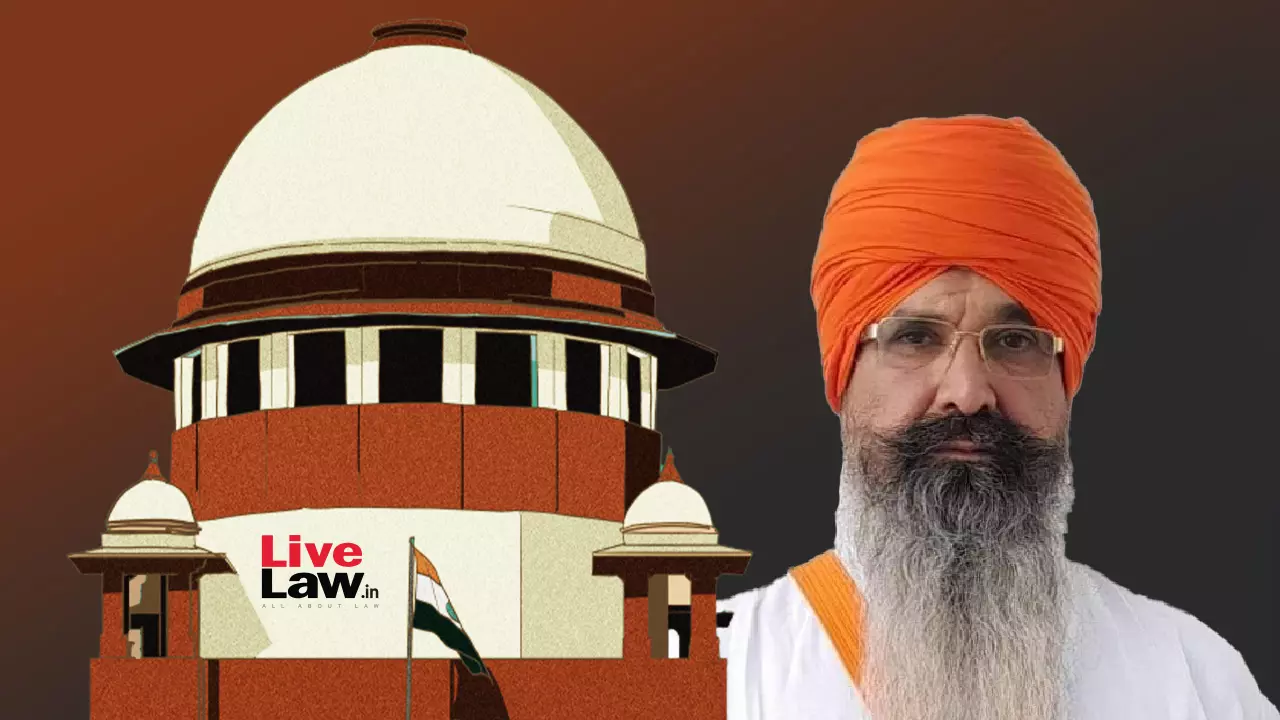
Balwant Singh Rajoana, convicted for his role in the 1999 attack that claimed the life of former Prime Minister Rajiv Gandhi, filed a mercy petition that has now reached the Supreme Court’s final consideration. The court’s decision to reserve judgment means that the petitioner’s fate will remain undecided for an indeterminate period, prolonging the legal uncertainty that has already stretched over two decades. Observers note that the case continues to attract attention from both human‑rights advocates and nationalist groups who view Rajoana as a symbol of ideological resistance.
The delay reflects deeper institutional frictions between the judiciary’s procedural safeguards and political pressures surrounding high‑profile terrorism cases. Lawmakers have periodically invoked the case to rally support, while civil‑society organisations argue that the prolonged pendency undermines the credibility of the criminal justice system. The Supreme Court’s cautious approach may be influenced by pending reviews of capital‑punishment jurisprudence, a subject that has seen renewed scrutiny following recent international critiques.
For the families of the victims, the continued limbo intensifies grief and hampers closure, while Rajoana’s supporters perceive the postponement as a tacit acknowledgement of his cause. The outcome, whenever rendered, is expected to set a precedent for future mercy petitions linked to politically charged crimes, potentially reshaping the legal calculus of death‑penalty appeals across India.
Comments 0