Supreme Court Delimits Protest Rights: No Indefinite Occupation of Public Spaces
The Supreme Court has ruled that no single group can occupy a protest site indefinitely, affirming that the right to protest is shared by all citizens. This decision sets a legal precedent that balances the freedom of expression with the public's right to access and use common spaces.
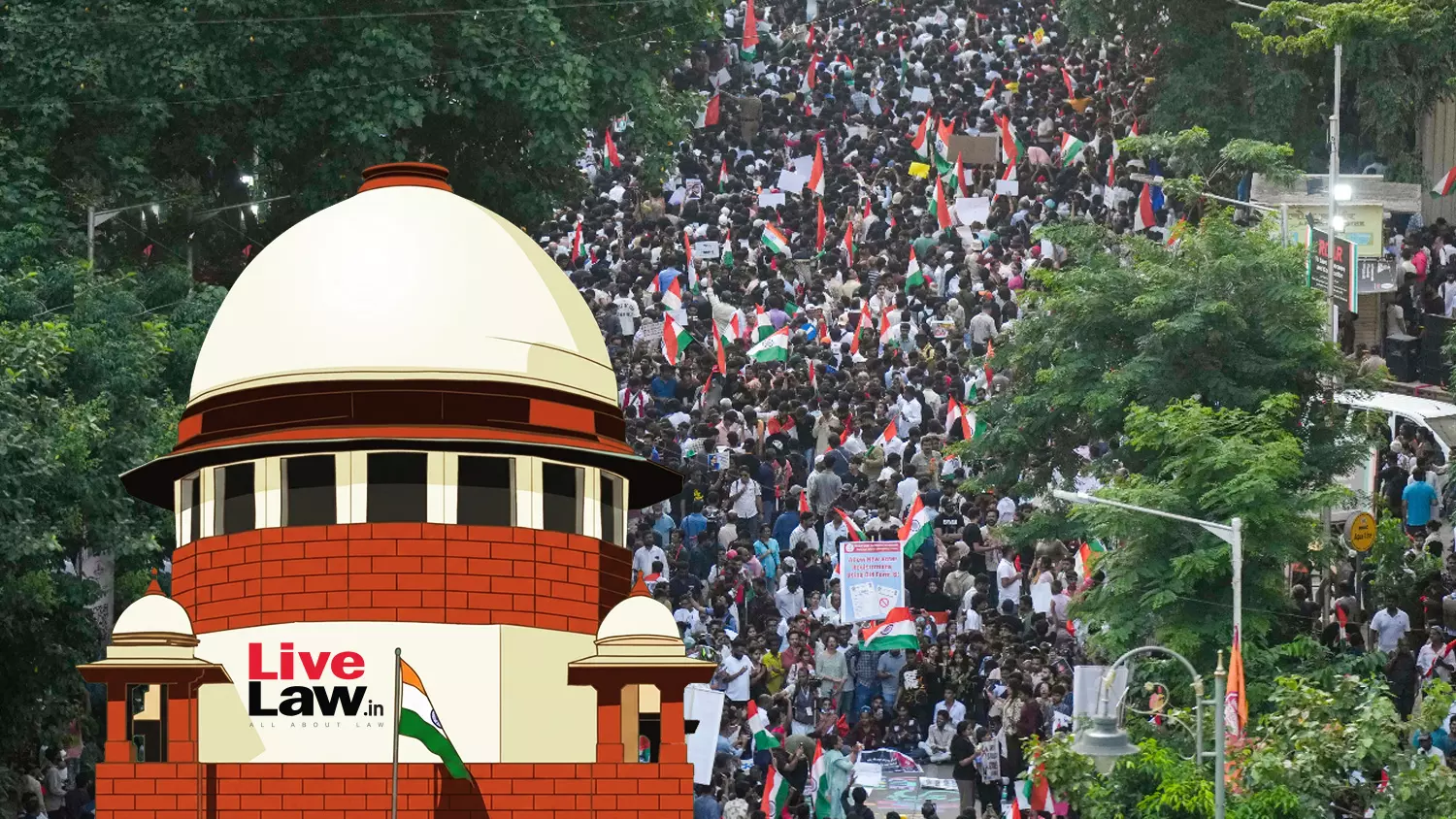
The Supreme Court's ruling on the right to protest marks a significant shift in the legal framework governing public demonstrations. By stating that no group can occupy a protest site indefinitely, the Court has established a clear boundary between the right to assemble and the right of the public to access public spaces. This decision is expected to have far-reaching implications for how protests are organized and managed in urban areas, where space is often a scarce resource.
The underlying tension in this case stems from the competing interests of protesters and the general public. While the right to protest is a fundamental democratic right, the indefinite occupation of public spaces can disrupt daily life and limit the access of others to these areas. The Court's decision reflects a balance between these competing interests, ensuring that the right to protest does not come at the expense of the public's right to use common spaces.
The downstream consequences of this ruling will likely lead to more structured and time-bound protests, with organizers needing to plan their demonstrations with greater precision. This may result in a reduction in the duration of protests, but it could also lead to more frequent and smaller demonstrations. The decision may also prompt a review of existing laws and regulations governing public gatherings, ensuring that they align with the Court's interpretation of the right to protest.
Comments 0