Supreme Court Denies Bail to Accused in 2025 Red Fort Blast Case
India's Supreme Court refused bail to a suspect linked to the 2025 Red Fort explosion, reinforcing a hard‑line judicial approach to terrorism‑related offenses. The ruling underscores the court's resolve to keep alleged perpetrators in custody pending trial.
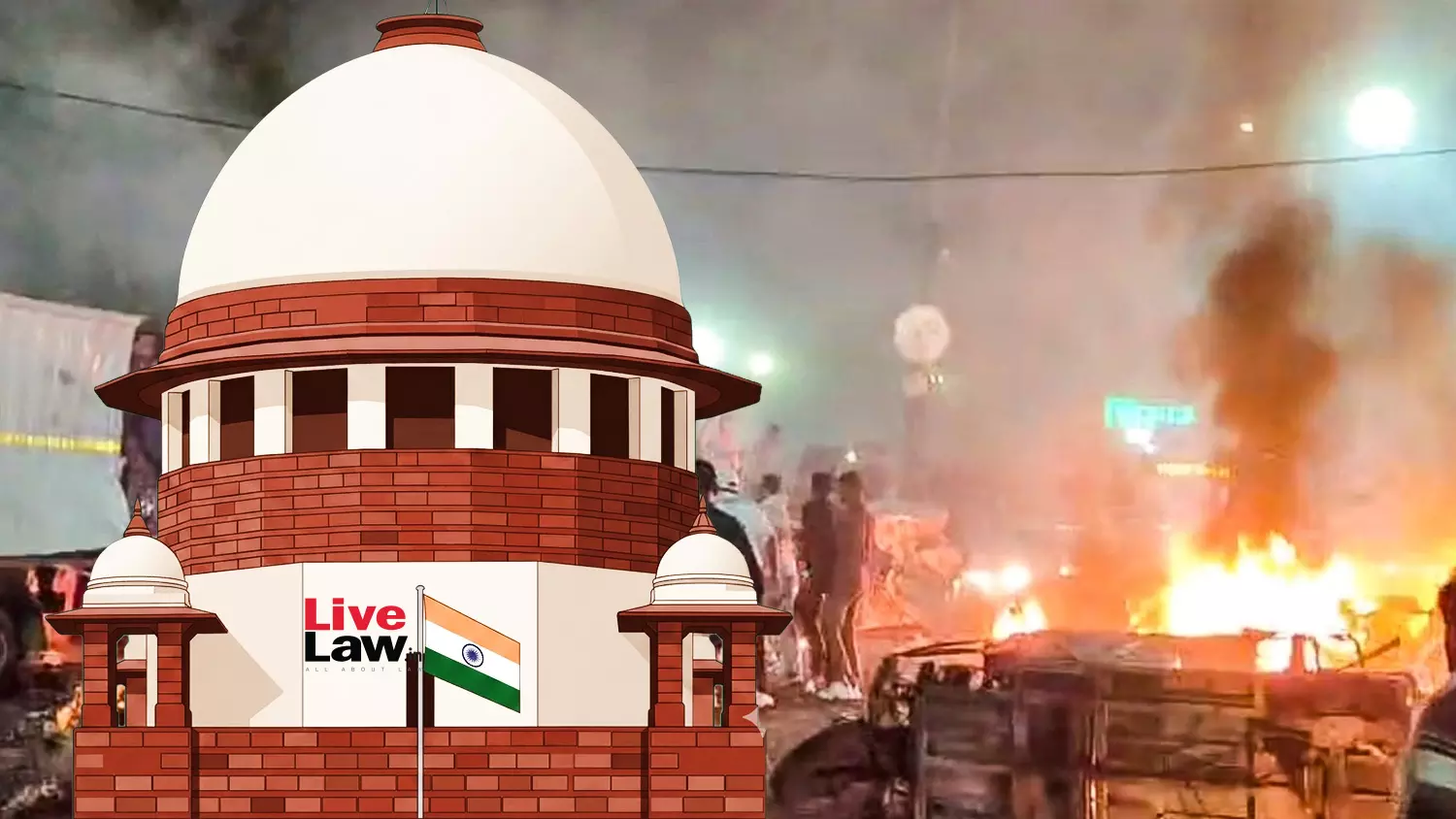
The apex court examined the prosecution's evidence indicating the accused's involvement in planning and facilitating the Red Fort blast that claimed dozens of lives and injured hundreds. By denying bail, the bench emphasized the gravity of offenses that threaten national security and public order, noting that release could jeopardize ongoing investigations and pose a risk of further extremist activity. The decision aligns with a series of recent judgments that prioritize containment of terror networks over individual liberty considerations.
Underlying tension revolves around the balance between civil liberties and the state's duty to protect citizens from violent extremism. Human‑rights advocates have called for transparent legal processes, while security agencies argue that pre‑trial detention is essential to dismantle conspiratorial cells. The Supreme Court's stance reflects a broader governmental narrative that frames terrorism as an existential challenge requiring uncompromising legal measures.
The downstream consequences include a likely increase in pre‑trial detentions for individuals accused of terror‑related crimes, as lower courts may follow the Supreme Court's precedent. The decision may also deter potential sympathizers, signaling that the judiciary will not entertain leniency in cases involving attacks on symbolic national sites. However, it could invite scrutiny from international observers monitoring due‑process standards, prompting a dialogue on balancing security with judicial fairness.
Comments 0