Supreme Court Directs Government to Maintain Transit Operations Amid Unrest
The Supreme Court instructed authorities to maintain uninterrupted metro and train services during civil disturbances, demanding adaptive management rather than blanket shutdowns. The ruling prioritizes economic continuity and commuter mobility over administrative convenience during crises.
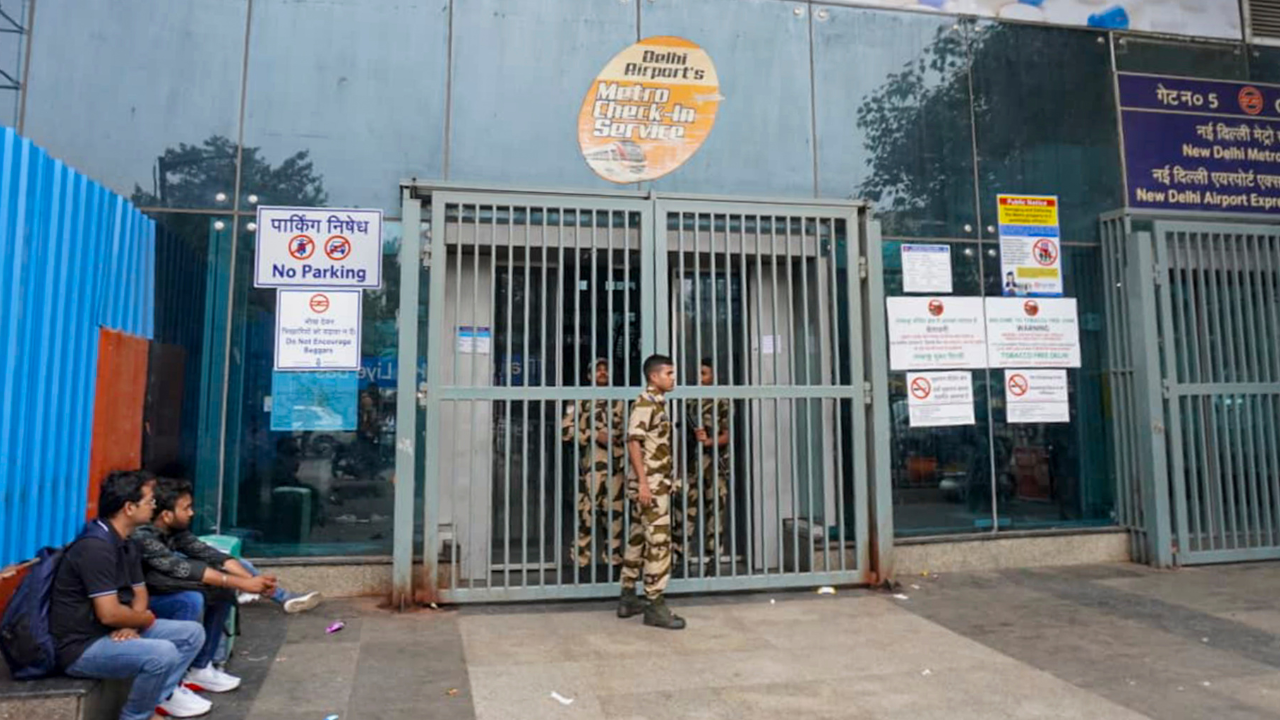
Public transit networks in major urban centers have frequently served as collateral damage when social unrest prompts authorities to halt services preemptively. In response to petitions challenging these sweeping disruptions, the Supreme Court articulated a clear directive requiring the government to keep trains and metros operational as situations evolve on the ground. The bench emphasized that paralyzing mass transit inflicts disproportionate economic damage on the working populace.
This judicial posture confronts the standard playbook of local administrations, which often rely on total communication blackouts and transit suspensions as primary crowd-control mechanisms. Security planners argue that running trains through volatile sectors exposes infrastructure and passengers to unacceptable risks, necessitating conservative containment strategies. The court, however, shifted the burden onto the state to secure transit corridors rather than shuttering them entirely.
The immediate beneficiary of this ruling is the urban commuter base, whose daily livelihoods depend on the predictable functioning of metropolitan railway networks. Conversely, municipal authorities must now upgrade their tactical response frameworks to deploy security personnel dynamically along transit routes. This ruling marks a decisive shift toward protecting economic arteries from the cascading impacts of social agitation.
Comments 0