Supreme Court Halts ECI Controversy as Institutional Friction Deepens
The Supreme Court has adjourned petitions challenging the Election Commission of India's unilateral decisions, leaving the constitutional crisis over the appointment of CEC Gyanesh Kumar unresolved. This procedural pause intensifies the standoff between the judiciary and the executive, casting a shadow over the integrity of upcoming electoral processes.
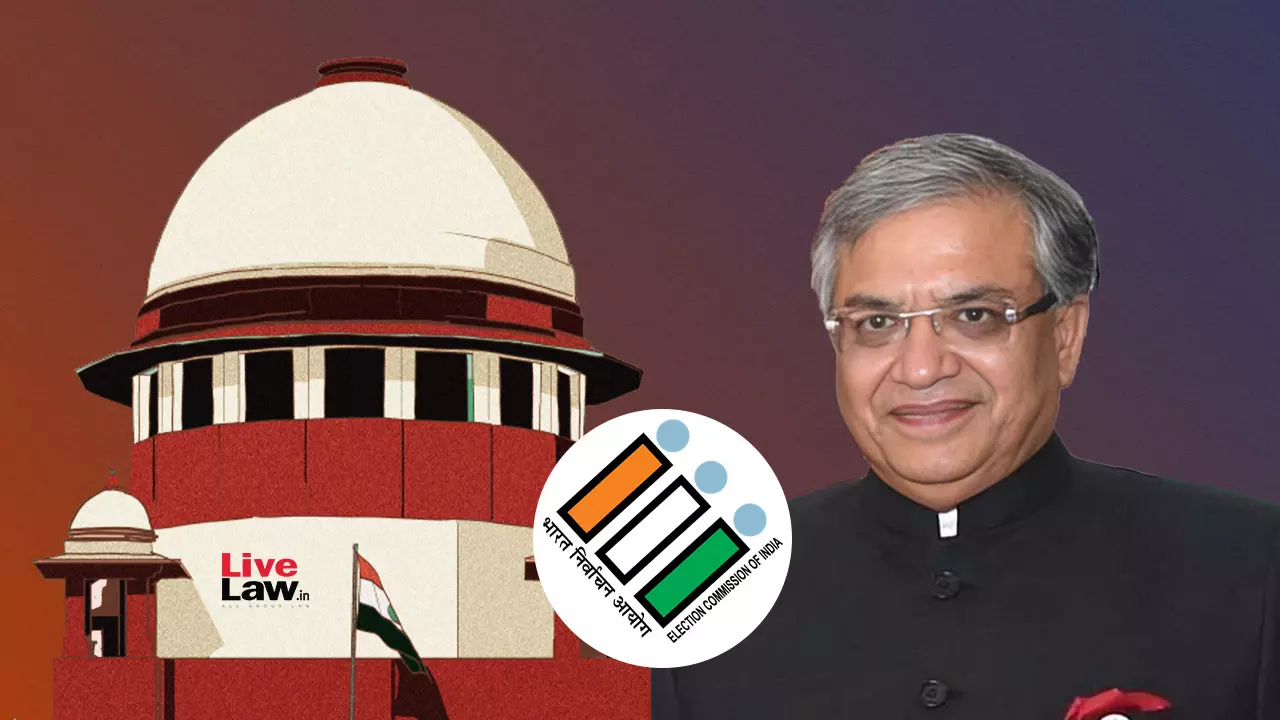
The apex court's decision to adjourn the pleas against the Election Commission of India marks a critical juncture in the ongoing constitutional dispute. By refusing to issue an immediate stay or direction, the bench has allowed the status quo to persist, effectively permitting the CEC to continue functioning under the current administrative framework. This procedural maneuver leaves the petitioners, who allege that the ECI's decisions on the Special Investigation Report and Form 6 were taken unilaterally, in a state of legal limbo while the institution operates without the full consensus of its members.
The underlying tension stems from a fundamental disagreement over the collective responsibility of the Election Commission. The petitioners argue that major decisions, particularly those concerning the integrity of the electoral process and the handling of sensitive reports, require the concurrence of all members. The government, conversely, maintains that the CEC possesses the requisite authority to act independently in matters of administration and law enforcement. This friction highlights a deeper institutional anxiety regarding the balance of power between the executive and the quasi-judicial bodies that safeguard India's democratic machinery.
The downstream consequence of this judicial hesitation is a chilling effect on public confidence in the electoral process. As the Supreme Court formulates its approach, the political opposition and civil society groups find themselves without a clear legal remedy to challenge the ECI's actions. This uncertainty may embolden further unilateral decisions by the commission, potentially setting a precedent that erodes the collective decision-making norm. The ultimate casualty is the perceived neutrality of the institution, which is essential for the legitimacy of any future election.
Comments 0