Supreme Court judgment in Union of India v. Radha Yadav reshapes land acquisition law
The apex court delivered a verdict that narrows the government's power to acquire private land for public projects. The ruling triggers immediate reassessment of pending infrastructure schemes across the nation.
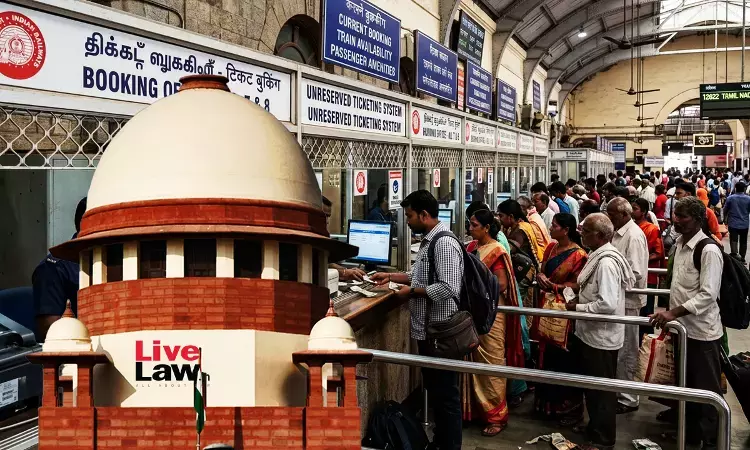
The concrete rupture of the judgment is the court's declaration that the state must demonstrate a clear public purpose and provide enhanced compensation before invoking eminent‑domain powers. By tightening the evidentiary burden, the ruling curtails the ability of ministries to fast‑track land acquisition for highways, ports and industrial parks without thorough stakeholder consultation. The decision also mandates that displaced families receive not only market‑rate compensation but also rehabilitation packages that address livelihood restoration.
Underlying tension stems from a long‑standing clash between development ministries eager to meet ambitious growth targets and land‑rights activists defending agrarian communities. The judgment reflects mounting judicial scrutiny of past acquisitions that were criticized for inadequate compensation and opaque processes. Ministries now face internal friction as legal teams scramble to reinterpret project proposals, while opposition parties seize the moment to demand broader reforms in land policy. The decision also places pressure on state governments, many of which rely on central funding for large‑scale projects.
Downstream casualties include the postponement of at least twelve major infrastructure projects, with projected cost overruns running into billions of rupees. Contractors face contract renegotiations, while local economies that anticipated job creation confront uncertainty. Conversely, the ruling empowers affected landowners, offering a legal pathway to negotiate better terms and potentially halt projects that lack genuine public benefit. Over the next year, the judgment is set to trigger a cascade of policy reviews, prompting the government to draft new guidelines that balance development imperatives with property rights.
Comments 0