Supreme Court Mandates Financial Accountability in Rajpal Yadav Recovery Case
The Supreme Court of India ordered actor Rajpal Yadav to deposit two crores rupees by mid-October. The stern judicial directive underscores strict enforcement mechanisms governing commercial loan defaults within the entertainment industry.
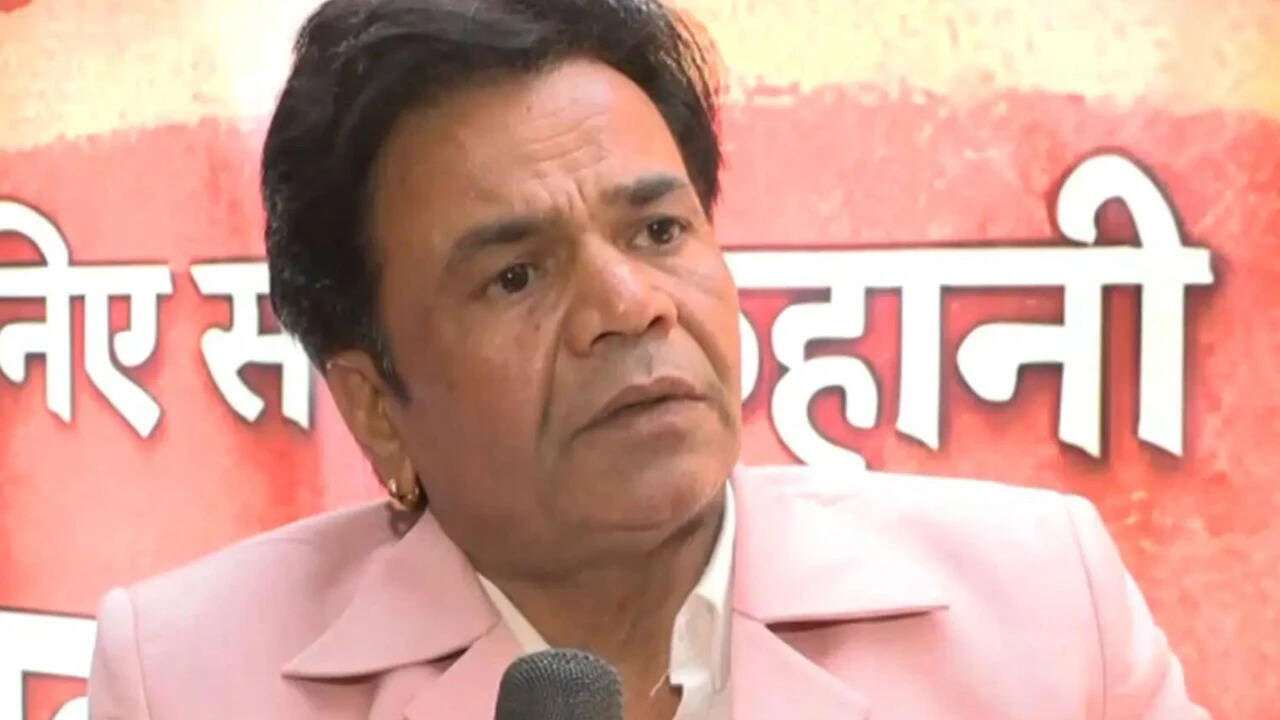
The legal entanglements surrounding actor Rajpal Yadav reached a decisive juncture when the Supreme Court of India issued an unambiguous directive requiring the immediate payment of two crores rupees. Bench observations highlighted the protracted nature of the financial dispute, utilizing pointed courtroom commentary to signal zero tolerance for delayed settlements in commercial default cases. The ruling strips away the conventional leniency often afforded to high-profile personalities in civil recovery proceedings. Financial institutions and private lenders frequently struggle with protracted litigation when enforcing debt recovery against prominent figures in the creative sector. This judicial intervention establishes a firm boundary, signaling to trial courts and appellate bodies that enforceable consent terms must be honored without perpetual extensions. The friction between personal insolvency claims and creditor rights highlights systemic vulnerabilities in how unsecured loans are disbursed and monitored within independent cinematic productions. For the defendant, the ruling imposes an urgent liquidity constraint that demands immediate asset liquidation or external borrowing. Beyond the individual case, the outcome serves as a cautionary precedent for film producers and actors who rely on informal credit networks rather than transparent institutional financing. Lenders gain heightened confidence that judicial recourse remains a viable instrument for recovering delinquent capital.
Comments 0