New Supreme Court Judges Take Oath as Representation Debates Persist
Three newly appointed judges have been sworn into the Supreme Court of India, bringing total strength up while underscoring acute gender imbalances. With only three women judges serving among thirty-seven members, the institution faces renewed scrutiny over its diversity metrics.
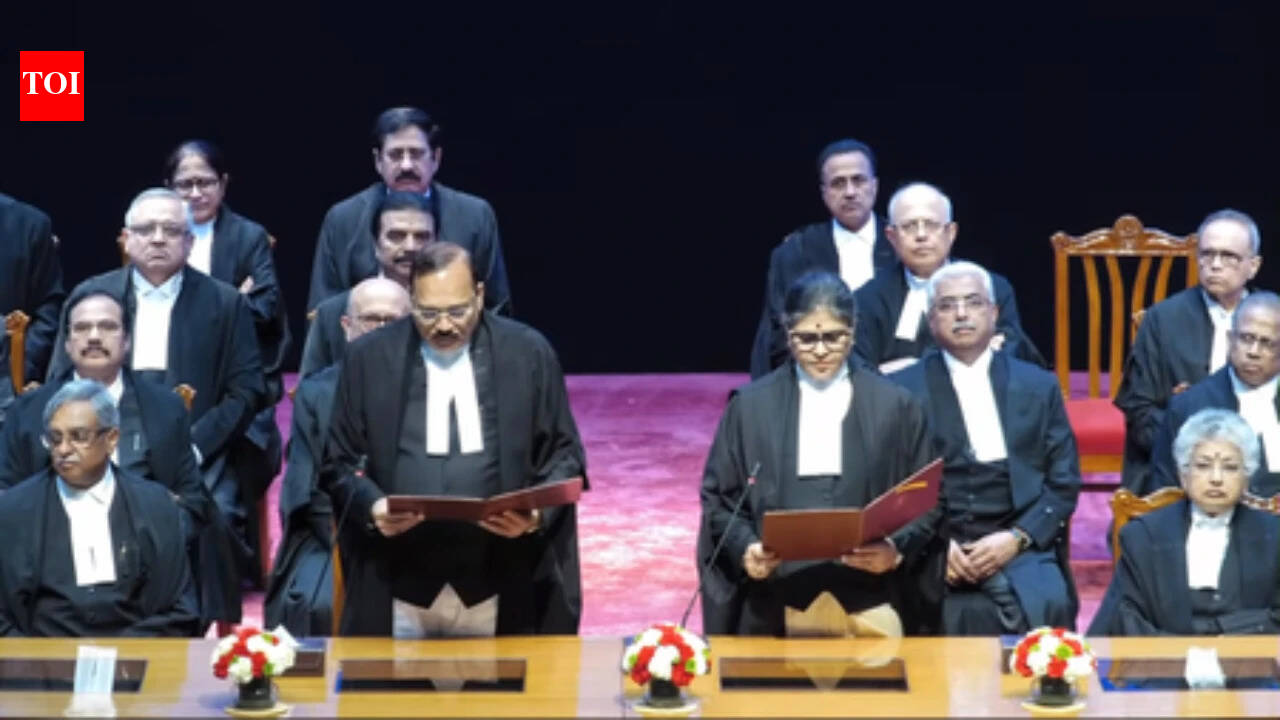
The Supreme Court of India administered oaths of office to three incoming justices in solemn ceremonies at the apex court premises. Each appointee swore their allegiance to the constitution under traditional invocations, formally stepping into roles that shape the nation's civil, criminal, and constitutional jurisprudence. However, the induction ceremony quickly sparked public discourse regarding the demographic profile of the highest bench, particularly the stark underrepresentation of female jurists. Institutional inertia within the collegium system continues to draw criticism from legal scholars and civil society organizations who advocate for a more representative judiciary. Out of thirty-seven sitting judges, women occupy a mere fraction of the seats, highlighting systemic bottlenecks in elevation pipelines from high courts across various states. While the court routinely delivers progressive rulings on gender equality, its internal composition remains heavily skewed toward traditional demographic norms. This persistent imbalance affects the optics and institutional empathy of apex jurisprudence, particularly in cases involving domestic disputes, workplace rights, and bodily autonomy. The immediate outcome is a continuation of male-dominated benches adjudicating matters of profound social consequence. Pressure on the collegium to diversify future appointments will intensify as legal advocacy groups demand structural reforms in judicial selection.
Comments 0