Supreme Court Refuses Tamil Nadu’s Request for Additional Cauvery Water from Karnataka
The apex court declined the plea seeking an allocation of 11 TMC of Cauvery water to Tamil Nadu, leaving the state to grapple with mounting agricultural stress. The decision reinforces the existing inter‑state water sharing framework.
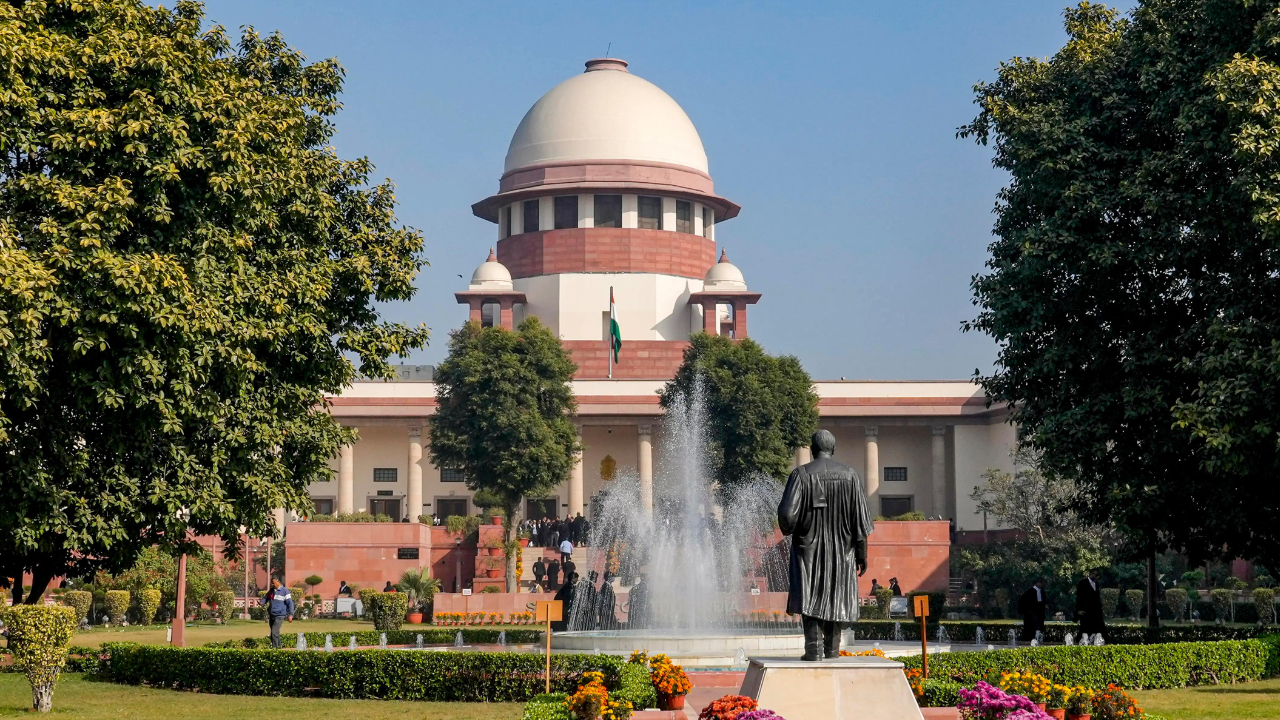
In a decisive hearing, the Supreme Court turned down Tamil Nadu’s petition for an extra 11 TMC of Cauvery water from Karnataka, a request driven by acute drought conditions and the looming threat to the state’s agrarian economy. The court’s refusal upheld the current allocation formula, which has long been a source of contention between the two southern neighbours. By maintaining the status quo, the judiciary signalled that any alteration to the water sharing arrangement must emerge from a negotiated settlement rather than judicial intervention.
The dispute traces its roots to decades‑long negotiations over the river’s flow, with both states invoking historical usage rights and contemporary needs. Karnataka argues that its own reservoirs are strained, while Tamil Nadu contends that its farmers face irreversible loss without additional water. The court’s stance highlights the delicate balance of federal water governance in India, where judicial pronouncements can tip the scales but cannot replace political dialogue.
For the farmers of Tamil Nadu, the ruling intensifies pressure on state authorities to devise alternative water management strategies, such as groundwater extraction, rainwater harvesting, and crop diversification. The decision may also spur renewed diplomatic overtures between the states, potentially leading to a revised sharing agreement in the coming months. Over the next year, the water scarcity narrative is likely to dominate regional policy debates, influencing electoral calculations and prompting investment in irrigation infrastructure.
Comments 0