Supreme Court Scrutinizes Delhi CEC Protest Clampdown in Live Proceedings
The apex court convened to examine the legality of the police response to a protest against the Delhi Chief Electoral Officer, hearing arguments from both the government and civil liberties advocates. The live updates have drawn nationwide attention to the limits of executive power in electoral matters.
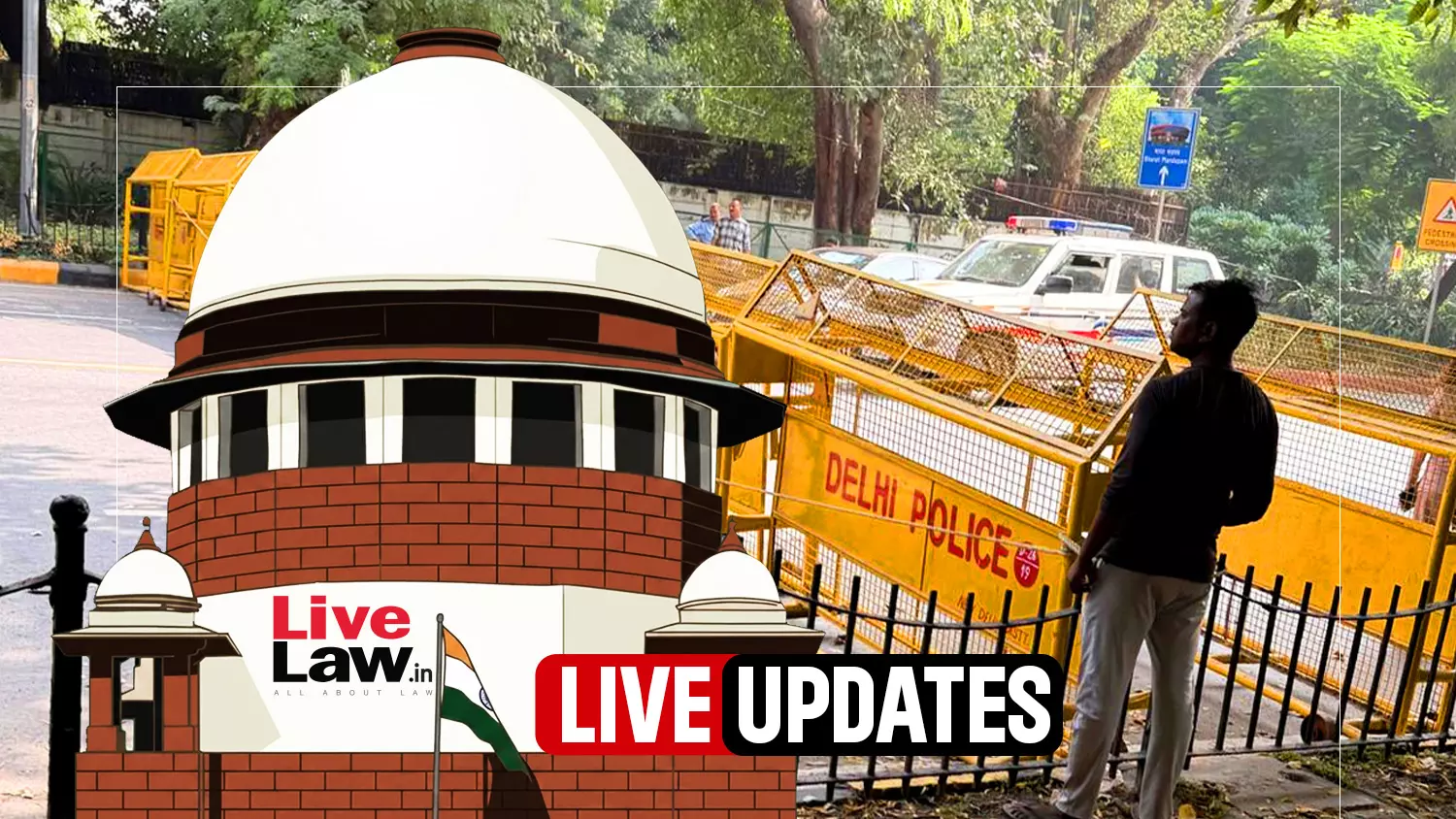
The hearing began with petitioners challenging the arrest of several activists who had assembled outside the Election Commission office, alleging that the police action violated constitutional guarantees of free assembly. The government defended its stance, asserting that the protest threatened public order and that the police acted within statutory authority. Counsel for the petitioners highlighted precedents where the judiciary intervened to protect democratic expression, urging the bench to issue a stay on further detentions.
Observers noted that the case arrives at a moment when the Election Commission is under intense scrutiny for its handling of upcoming elections. The court's deliberations are expected to clarify the scope of the Commission's autonomy vis‑à‑vis the central administration, especially in a city where political stakes are high. Legal analysts have pointed out that a ruling favoring the petitioners could embolden civil society groups to challenge future enforcement actions, while a decision upholding the police measures might reinforce executive dominance in electoral oversight.
The outcome will likely ripple through the political , influencing how future protests are organized and how electoral bodies assert their independence. Parties across the spectrum are watching closely, aware that the judgment could affect campaign strategies and voter mobilization efforts. In a broader sense, the case serves as a barometer for the health of democratic institutions in a nation where the balance between authority and dissent remains a contested terrain.
Comments 0