Supreme Court Tightens Auction Rules, Closing Loopholes for Late Bidders
The Supreme Court has ruled that non-participants in an auction cannot seek an award by making a higher offer later, a decision that reinforces procedural integrity in public procurement. This judgment closes a significant loophole that allowed late entrants to disrupt established bidding processes.
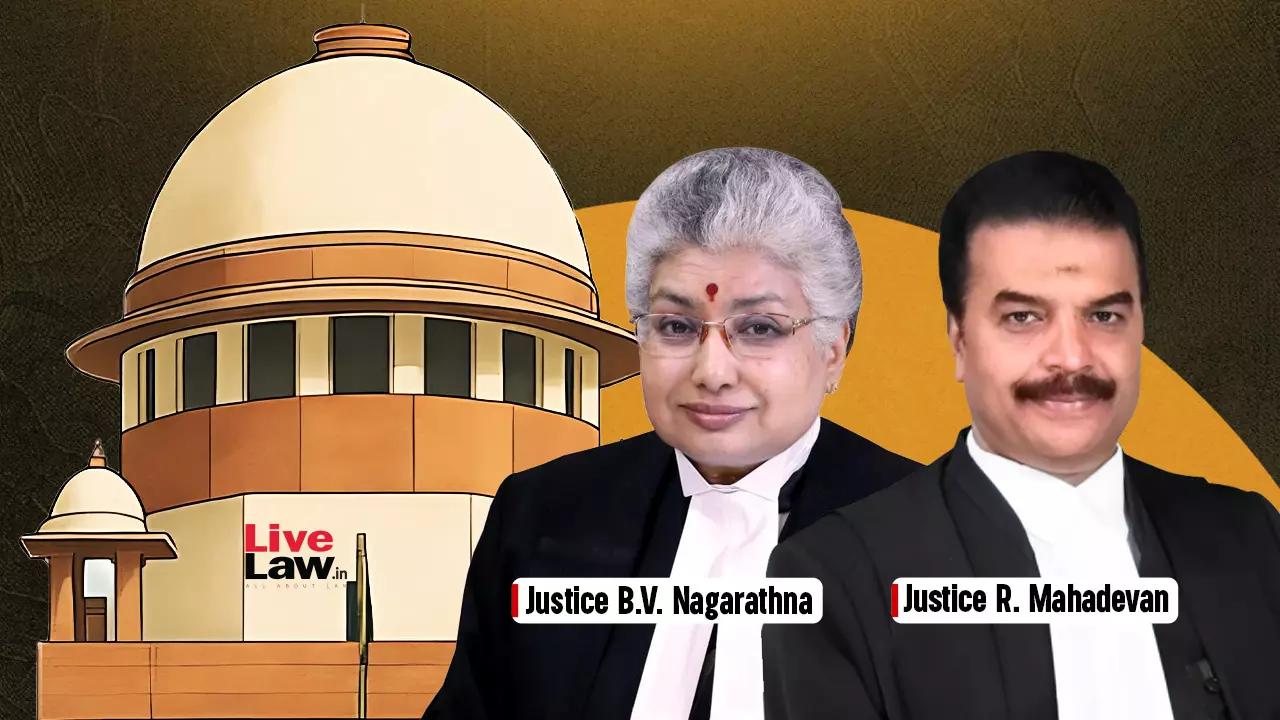
The Supreme Court of India has issued a landmark ruling that clarifies the procedural boundaries of public auctions, stating that individuals who did not participate in the initial bidding process cannot later seek an award by submitting a higher offer. This decision is a direct response to a growing trend of late entrants attempting to exploit ambiguities in auction rules to their advantage. By firmly establishing that participation in the initial process is a prerequisite for eligibility, the court has reinforced the principle of procedural fairness and predictability in public procurement. This ruling is a significant victory for the integrity of the auction process and a setback for those who sought to bypass standard procedures.
The underlying tension in this case reflects the broader challenge of balancing flexibility with strict adherence to rules in government contracting. While the court’s decision is clear, it highlights the need for more precise and unambiguous auction guidelines to prevent such disputes in the future. The institutional friction arises from the differing interpretations of auction rules by various government bodies and the courts, leading to inconsistent outcomes. This ruling serves as a definitive guide, but it also underscores the need for legislative clarity to ensure that all stakeholders understand the rules of the game. The decision is a to the court’s commitment to upholding the rule of law in economic transactions.
The tangible outcome of this ruling is a more stable and predictable environment for public procurement. Government bodies will be able to conduct auctions with greater confidence, knowing that the process will not be undermined by late, opportunistic bids. This will lead to more efficient allocation of resources and reduced legal costs associated with challenging auction results. The downstream effect is a strengthening of public trust in the government’s ability to manage its finances transparently and fairly. The ruling also serves as a deterrent to potential bad-faith actors who might otherwise seek to exploit procedural gaps. Overall, this decision is a significant step towards a more robust and reliable public procurement system in India.
Comments 0