Supreme Court Upholds Asset Freeze on Trinamool Congress Accounts
The Supreme Court declined to unfreeze bank accounts belonging to the Trinamool Congress, directing the Calcutta High Court to expedite ongoing proceedings. The decision maintains severe financial constraints on the regional political apparatus during an active administrative cycle.
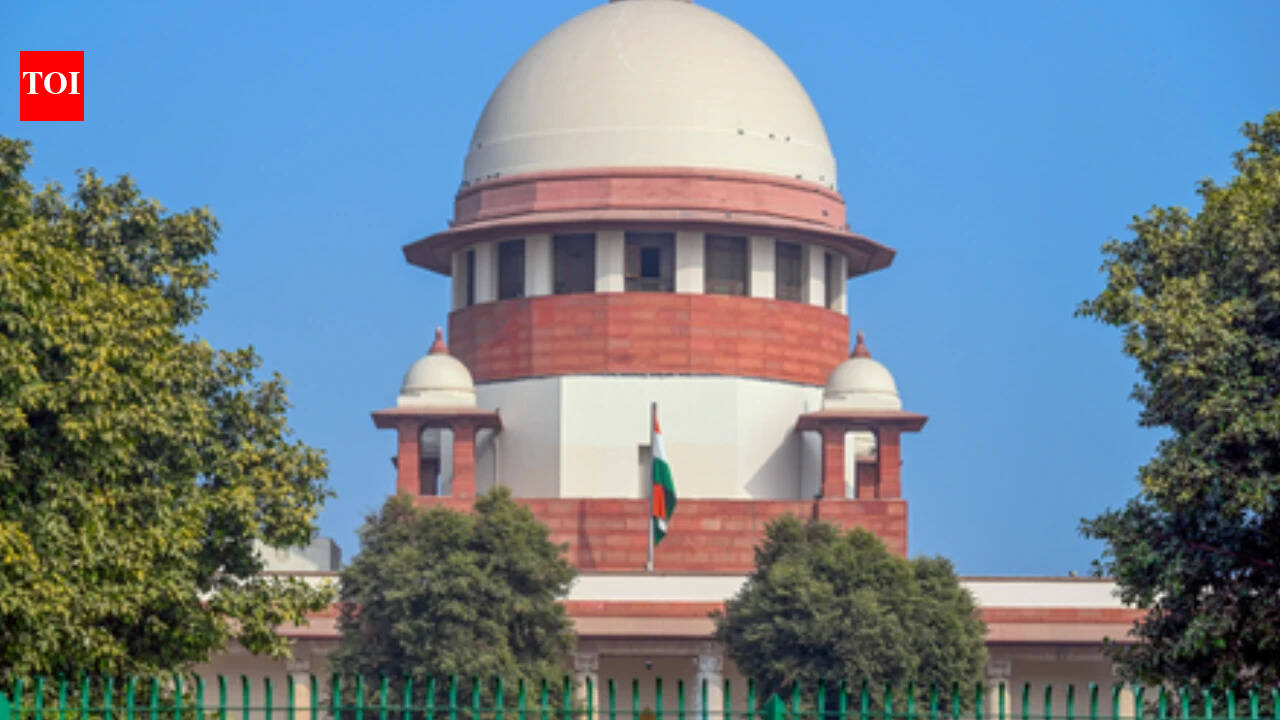
Judicial oversight of political financing tightened significantly as the apex court refused interim relief to the ruling West Bengal party regarding frozen financial assets. Investigators had previously flagged suspicious transactions linked to state administrative bodies, prompting sweeping enforcement actions. The party leadership argued that the restrictions severely impaired their operational capacity and election preparedness, framing the judicial stance as an executive overreach orchestrated by central agencies. This legal impasse underscores the intensifying friction between federal investigative authorities and regional political entities across India. Courts are increasingly caught balancing statutory anti-corruption mandates against the operational realities of democratic competition. Legal scholars observe that expedited hearings ordered by the Supreme Court reflect an institutional urgency to resolve disputes before prolonged freezes distort electoral outcomes. The immediate consequence is a severe liquidity crunch for the regional party, forcing a reliance on decentralized grassroots funding and alternative operational models. Suppliers, media vendors, and campaign staff face delayed disbursements as institutional banking channels remain sealed. The final adjudication by the Calcutta High Court will establish a vital precedent regarding the freezing of party accounts during active political investigations.
Comments 0