Supreme Court Upholds Indoor Management Doctrine in Corporate Sale Dispute
The apex court ruled that internal boardroom disagreements cannot invalidate a sale to a bona‑fide third party. The judgment reinforces certainty for external investors in Indian corporate transactions.
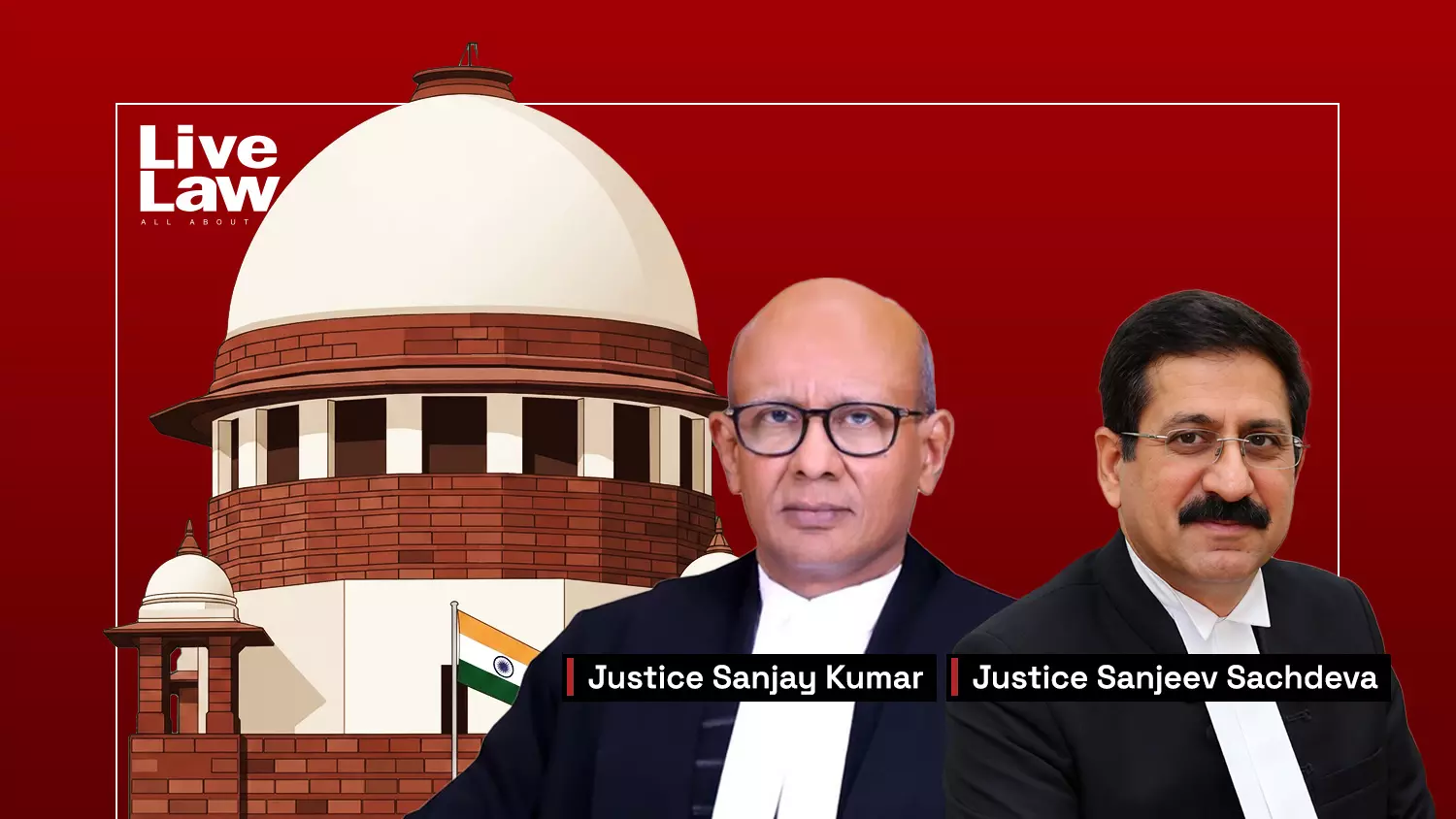
In a landmark decision, the Supreme Court applied the doctrine of indoor management to a contentious corporate sale, affirming that disputes confined to a company's boardroom do not automatically vitiate agreements with external parties acting in good faith. The case involved a high‑profile transaction where the buyer, a reputable multinational, had relied on the company's public representations and statutory filings. By upholding the sale, the court sent a clear signal that the sanctity of external contracts will be protected, provided the third party exercised due diligence and had no knowledge of internal dissent. This ruling is expected to bolster confidence among foreign investors wary of opaque corporate governance practices.
The judgment emerges against a backdrop of increasing scrutiny over corporate governance standards in India. Critics have long argued that internal power struggles and opaque decision‑making processes create uncertainty for investors, potentially deterring capital inflows. The court's reliance on the indoor management doctrine reflects an effort to align Indian jurisprudence with international norms, where the protection of third‑party rights is a cornerstone of commercial law. Nevertheless, the decision also raises questions about the mechanisms available to minority shareholders and dissenting directors who may feel sidelined by such legal shields.
In the months ahead, the ruling could catalyse a shift in how Indian companies structure their internal approvals and disclose material information. Companies may adopt more rigorous board procedures and enhance transparency to pre‑empt disputes that could jeopardise external deals. Simultaneously, legal practitioners are likely to advise clients on the heightened importance of documenting internal consensus, even when external parties are insulated from internal disagreements. The broader impact may be a more predictable environment for cross‑border mergers and acquisitions, potentially accelerating the pace of foreign direct investment in the Indian corporate sector.
Comments 0