Surveillance Discrepancies Expose Public Health Data Gaps Across Telangana
Official medical records in Telangana revealed a stark contradiction between localized dengue mortality figures and national health ministry datasets. Health experts warn that systemic reporting failures undermine vector control interventions and skew epidemiological assessments.
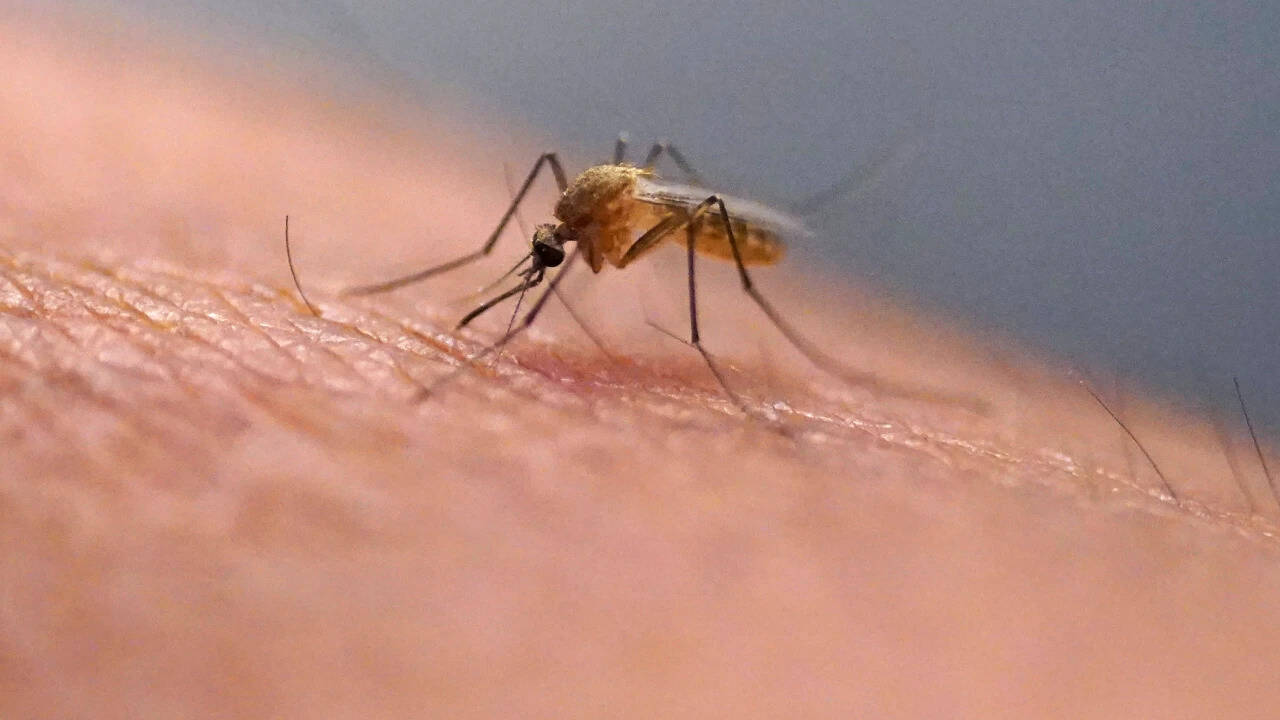
Public health governance in southern India faced intense scrutiny following revelations of severe statistical discrepancies regarding vector borne disease fatalities. Official district records in Telangana documented dozens of casualties attributable to severe dengue strains, whereas centralized national dashboards reflected starkly lower figures. This statistical chasm highlights persistent structural deficiencies in grassroots disease surveillance and municipal reporting protocols. Local medical practitioners have repeatedly cautioned that underreporting conceals the true epidemiological burden facing vulnerable urban populations.
The underlying friction stems from decentralized reporting mechanisms where private healthcare providers and rural primary health centers utilize divergent diagnostic and classification standards. Many severe cases are categorized under generic febrile illnesses rather than specific viral vectors, shielding municipal administrations from accountability during peak transmission seasons. Public health advocates argue that this administrative opacity prevents timely allocation of emergency vector control funding to high risk districts. Consequently, vector eradication drives often launch reactively rather than proactively.
The immediate consequence of these reporting gaps is an ill prepared medical infrastructure forced to manage preventable caseload surges without adequate resource backing. Citizens bear the ultimate cost through delayed medical interventions, out of pocket diagnostic expenses, and heightened mortality risks during monsoon transitions. Without rigorous standardization of death registration and morbidity tracking, state health authorities will continue operating in a policy vacuum, leaving populations exposed to recurring public health crises.
Comments 0