Symbolic Heritage: The Electoral Commission and the Battle for Political Identity
West Bengal Chief Minister Mamata Banerjee's hand-drawn party symbol faces renewed historical scrutiny as legal disputes over party identity draw parallels to Indira Gandhi's 1969 Congress split. The Election Commission's adjudication precedents remain the ultimate arbiter of political legitimacy in India.
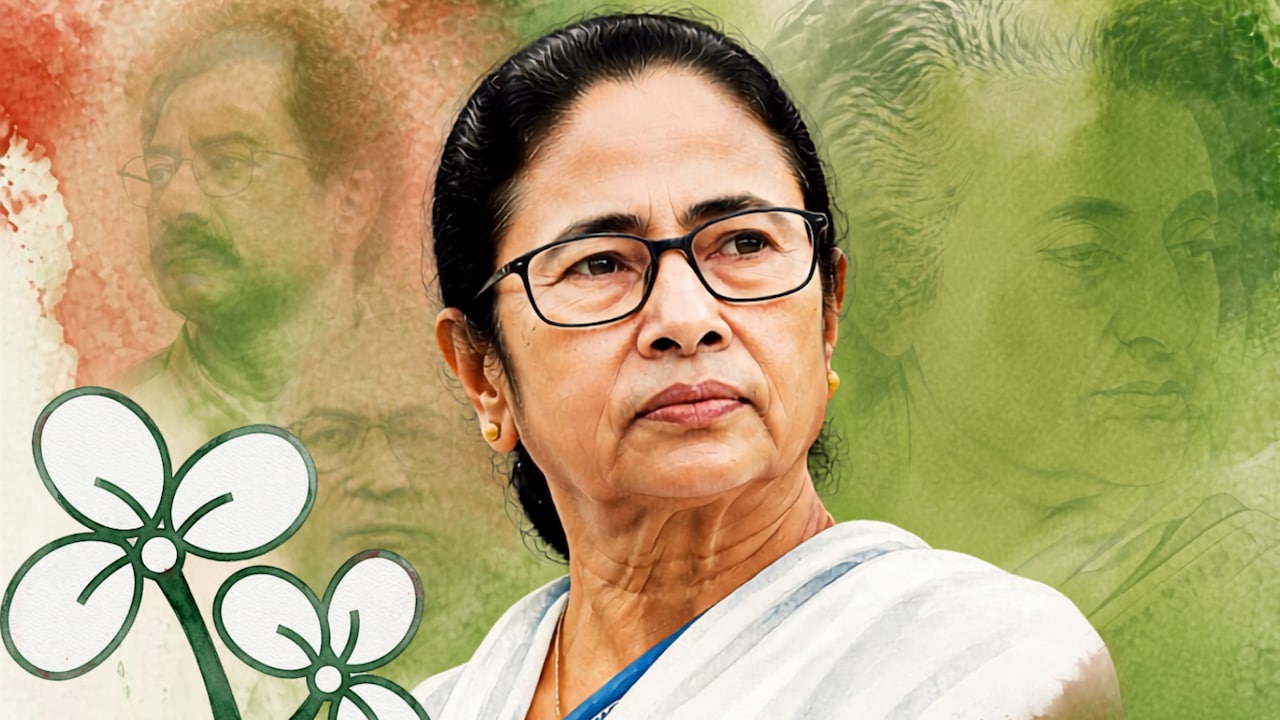
Political symbols in Indian electoral democracy transcend mere graphic design, functioning as potent totems of ideological continuity and mass mobilization. The structural parallels between contemporary regional party schisms and the seminal 1969 Indian National Congress split highlight how the Election Commission resolves disputes over rightful ownership of names and symbols. Mamata Banerjee's hand-drawn Trinamool symbol now exists within a lineage of high-stakes administrative adjudications. The underlying institutional tension involves balancing internal party democracy with the charismatic authority of dominant leaders. When factions fracture, the poll body relies on legislative majority tests, organizational numerical strength, and the foundational constitution of the party. This bureaucratic process often strips political disputes of their ideological nuance, reducing them to headcounts and legal affidavits. The downstream casualty of these protracted symbol battles is the weakening of smaller internal dissent factions who lack the financial resources to contest administrative rulings in higher courts. The outcome cements the supremacy of centralized party leadership while bureaucratizing the very essence of grassroots political dissent.
Comments 0