Teacher Recruitment Aspirants' Protest Ends In Prayagraj, Several Detained
A protest by job seekers in Prayagraj demanding traditional rules for teacher recruitment examinations came to an end after police intervened and detained several participants. The candidates were asking authorities to conduct the Trained Graduate Teacher and Post Graduate Teacher exams under established formats.
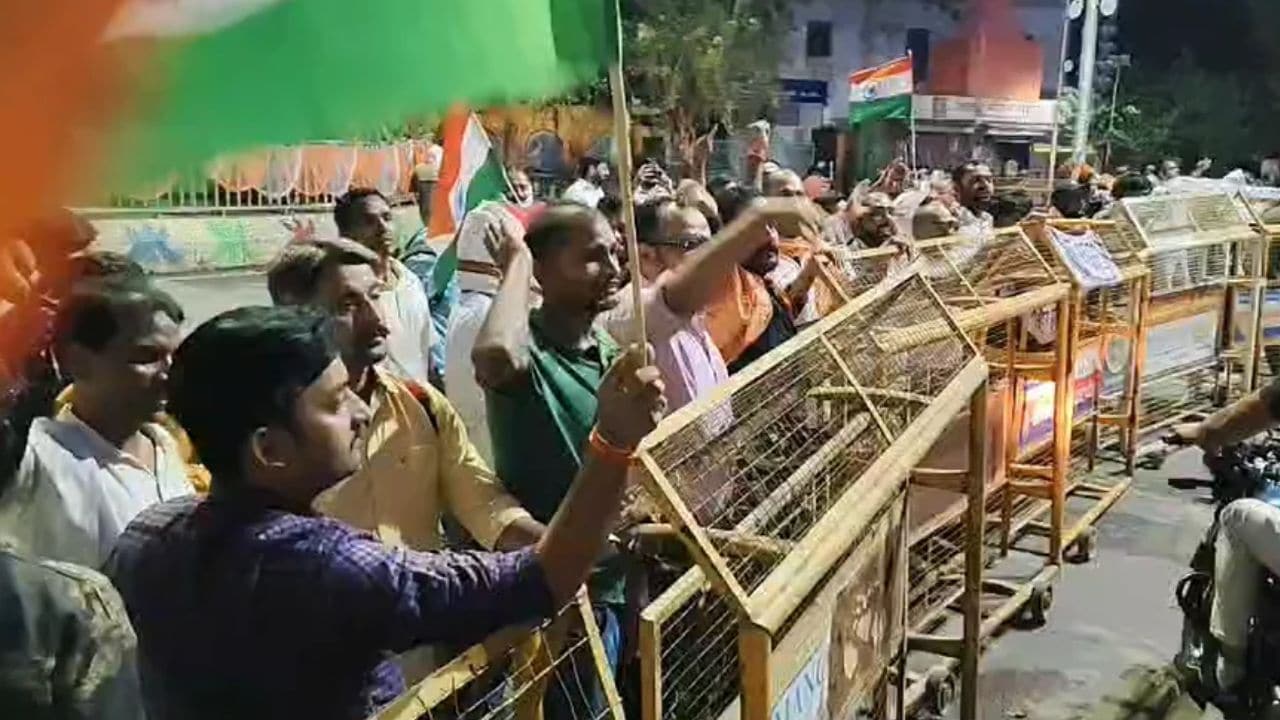
A demonstration by candidates seeking government teaching positions in Prayagraj ended after local police intervened and detained several key organizers. The aspirants had gathered in large numbers to voice their dissatisfaction over recent changes made to recruitment procedures. Candidates demanded that the selection process for Trained Graduate Teacher and Post Graduate Teacher positions be held under the previous examination pattern and administrative rules. The intervention by law enforcement cleared the protest site, concluding days of public agitation in the city.
The candidate community expressed concern that changes in the examination pattern, syllabus structure, or selection criteria could negatively affect candidates who spent years preparing under the older syllabus. Protesters argued that modifying rules mid way through recruitment cycles creates uncertainty and unfair disadvantage for applicants. Demonstrators urged the state examination authorities to restore previous norms to ensure equal conditions for all test takers. The police action followed attempts by officials to persuade the crowd to disperse peacefully, leading to brief standoffs before detentions occurred.
This issue matters to readers across India as it reflects widespread tensions surrounding public sector recruitment and exam management in major states. Millions of young educated citizens rely on timely government recruitment drives for employment, making changes to examination formats a sensitive public matter. Stagnant exam calendars, sudden pattern revisions, and delayed recruitment notifications frequently lead to youth discontent. Clear communication, predictable recruitment schedules, and transparent policy decisions remain essential for maintaining public confidence in state education boards and selection commissions nationwide.
Comments 0