Telangana High Court Orders Reinstatement of Sacked Lecturers
The Telangana High Court has ordered the reinstatement of 35 junior lecturers who were previously dismissed from their positions. This judicial intervention highlights the ongoing struggles of academic institutions in the state to navigate employment regulations and maintain institutional integrity.
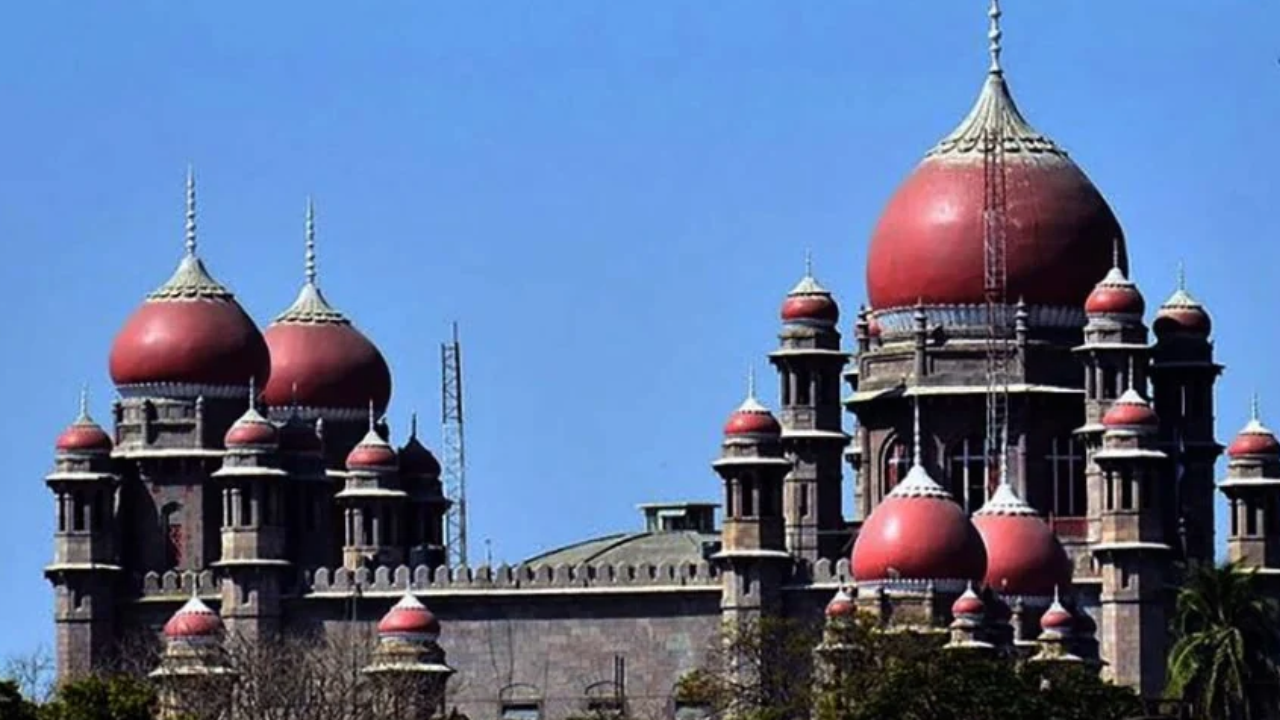
The Telangana High Court has issued a significant order directing the reinstatement of 35 junior lecturers who had been sacked from their positions. The ruling, which came after a prolonged legal battle, underscores the court's commitment to protecting the rights of public employees and ensuring due process in administrative actions. The lecturers, who were dismissed on allegations of misconduct, have been cleared by the court, which found that the termination was not supported by sufficient evidence. This decision marks a turning point in the case and provides a sense of relief to the affected individuals.
The underlying tension in this case reflects the broader challenges faced by academic institutions in Telangana, where employment disputes are often complicated by political interference and bureaucratic inefficiency. The dismissal of the lecturers was part of a larger effort to streamline the workforce, but the lack of proper due process has led to legal challenges. The court's intervention highlights the need for institutions to adhere to strict procedural standards when taking disciplinary action against employees. The case also raises questions about the accountability of administrative bodies and their responsibility to ensure fair treatment of staff.
The downstream consequences of this order will have a significant impact on the academic community in Telangana. The reinstatement of the lecturers will help restore stability in the institutions where they were employed, allowing them to resume their teaching duties. The ruling also serves as a precedent for future employment disputes, reinforcing the importance of due process and fair treatment in the public sector. The decision is likely to influence the way academic institutions handle disciplinary matters, leading to more transparent and just processes.
Comments 0