Ten Convicts Sentenced to Death for the 2013 Jhiram Valley Maoist Massacre
A special court in Chhattisgarh has delivered capital punishment to ten individuals involved in the 2013 Maoist ambush that decimated the Congress party leadership in the state. The ruling brings a stern judicial closure to one of the most violent insurgent attacks in modern Indian political history.
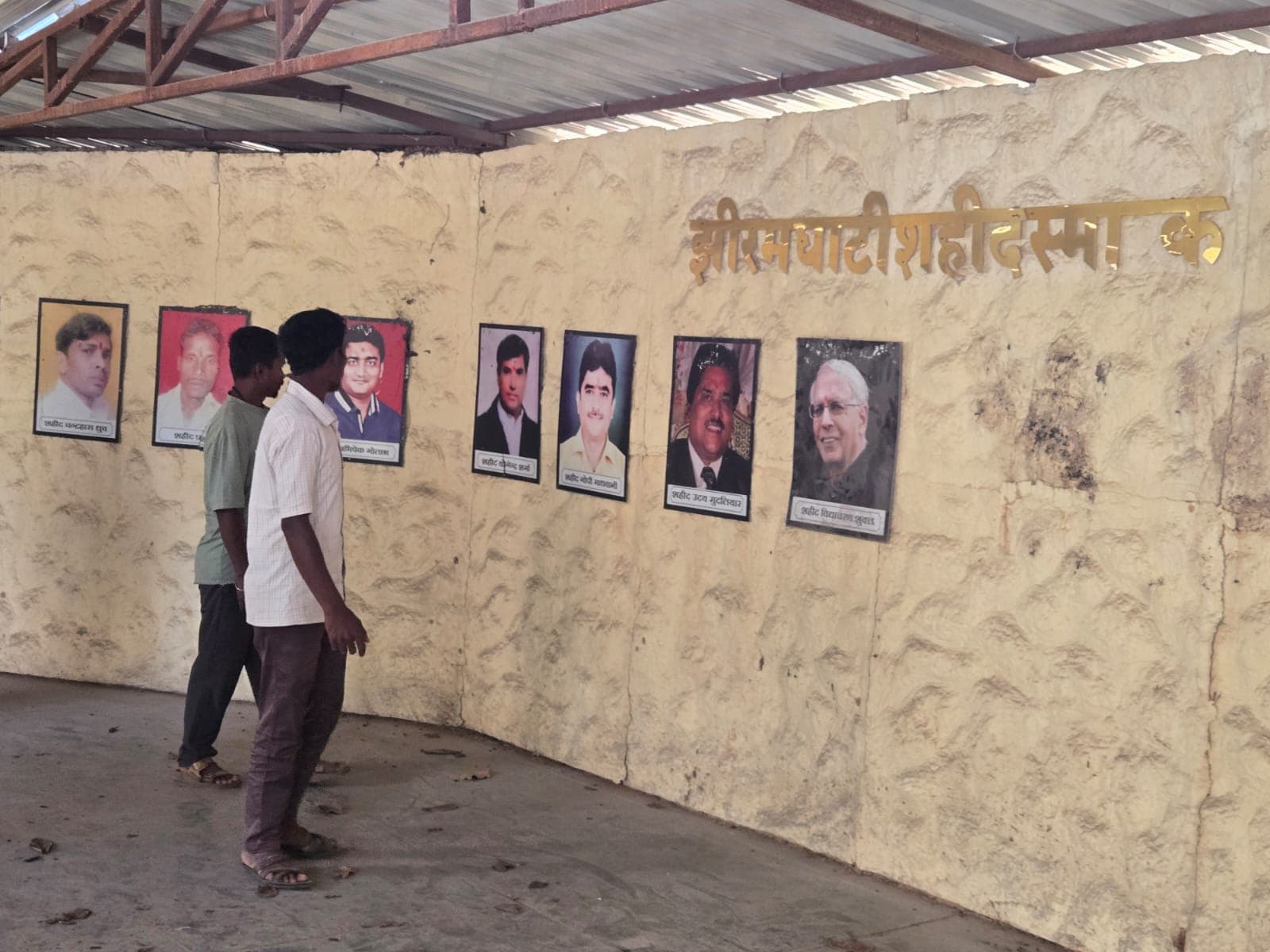
The sentencing marks a definitive legal milestone regarding the horrific assault in Bastar's Jhiram Valley, where heavily armed insurgents intercepted a political convoy and murdered twenty-nine people. The attack targeted top-tier regional leadership, effectively decapitating the state unit of the ruling political opposition at the time and sending tremors through India's internal security apparatus. For over a decade, the judicial proceedings ground forward through complex layers of evidence, witness testimonies, and the identification of elusive insurgent commanders operating within dense forest redoubts. Beneath the surface of this judicial verdict lies an enduring friction between state pacification campaigns and entrenched radical left-wing extremism in India's mineral-rich tribal heartlands. The prosecution relied heavily on forensic reconstruction and testimonies from survivors who recounted the sheer ruthlessness of the ambush, which was executed with military precision. Civil liberties advocates and security analysts have long debated the efficacy of capital punishment in resolving deep-seated agrarian and tribal grievances that originally fueled the Maoist movement, yet the state has chosen an uncompromising retributive stance to assert its sovereign authority. The immediate downstream casualty of this ruling is the remaining underground leadership of the insurgency, who now face intensified counter-offensive sweeps by paramilitary forces emboldened by the judicial validation. Families of the victims find a measure of solemn closure, though the systemic socio-economic disparities in Bastar remain largely unresolved. Ultimately, this legal outcome signals a hardening of the Indian state's resolve to pursue terror and insurgent offenses to the highest degree of penal severity, permanently altering the calculus of violent political resistance.
Comments 0