The Analog Backbone of the Silicon Revolution
Legacy networking hardware manufacturers are experiencing an unexpected renaissance as global data centers upgrade physical infrastructure to support artificial intelligence workloads. Technology conglomerates are racing to secure foundational routing equipment that was largely ignored for decades.
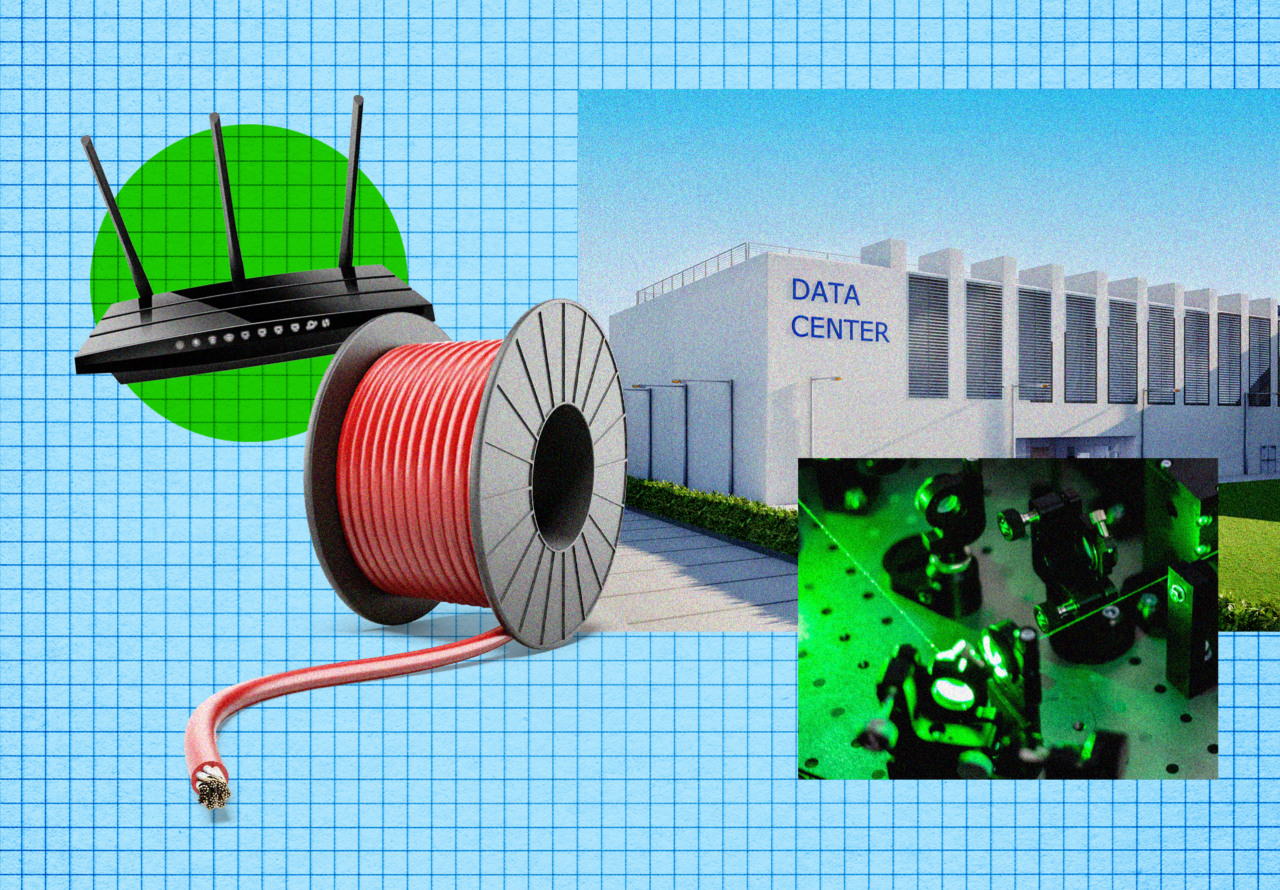
For years, Wall Street and Silicon Valley dismissed traditional enterprise networking vendors as relics of the dot-com era. The exponential data demands of modern machine learning clusters have dramatically inverted this hierarchy. Training massive neural networks requires unprecedented internal bandwidth and low-latency packet switching, forcing cloud providers to rebuild their physical backbones from the ground up. Equipment manufacturers that once struggled for modest quarterly growth now find themselves commanding order books reminiscent of the early internet expansion. This sudden market reversal exposes deep structural vulnerabilities in the global semiconductor and hardware supply chain. For over a decade, capital expenditure heavily favored software development and specialized graphic processors while physical routing infrastructure received minimal investment. Consequently, the manufacturing capacity for enterprise-grade switching silicon is severely constrained. Corporate buyers now face extended lead times, forcing technology giants to forge direct partnerships with legacy hardware firms to guarantee priority access to essential network components. The immediate beneficiaries are the shareholders of long-dormant hardware enterprises, while the casualties include smaller tech startups squeezed out by component shortages. Cloud providers must absorb inflated capital expenditure costs, which will ultimately compress profit margins across the broader software sector. Over the next several quarters, physical network architecture will dictate enterprise artificial intelligence capabilities just as much as algorithmic breakthroughs.
Comments 0