Judicial Scrutiny Overturns State Prohibition Architecture
The Supreme Court subjected sweeping alcohol prohibition laws to sharp interrogation by citing deep institutional and social failures. This legal challenge threatens to dismantle rigid enforcement policies across multiple states.
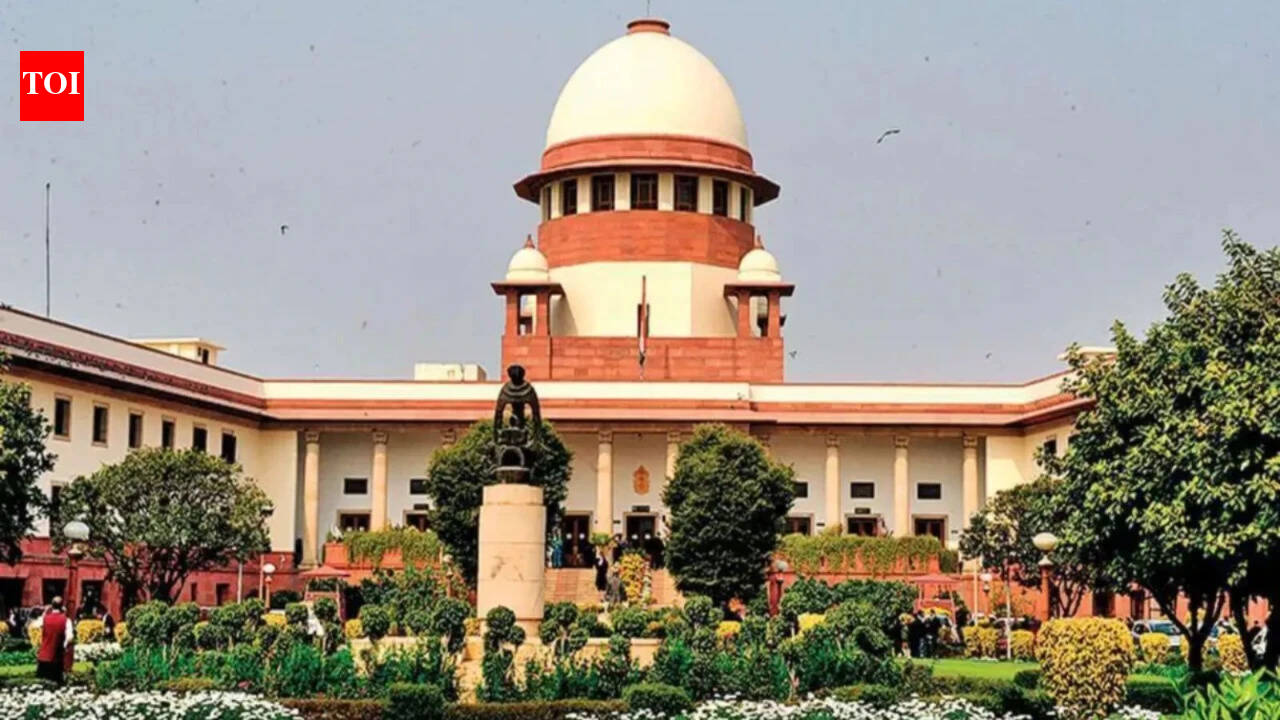
A bench of the highest court opened hearings by directly questioning the foundational logic of state-mandated alcohol bans. Justices pointed toward distinct unintended outcomes spawned by prohibition policies, ranging from illicit brewing empires to the proliferation of toxic substances that routinely claim civilian lives. The court probed whether total bans effectively reduce consumption or merely drive underground economies that enrich organized crime syndicates while burdening already sluggish judicial dockets. For years, regional administrations leveraged moral arguments to maintain prohibition edicts, treating liquor bans as ideological cornerstones of social welfare. Yet state excise departments have suffered staggering revenue leakages, forcing administrations to borrow heavily or curtail infrastructure spending to cover shortfalls. Civil society groups have long argued that heavy-handed criminalization disproportionately targets marginalized communities, leaving affluent drinkers untouched while filling prisons with petty offenders caught in the web of punitive enforcement. This judicial intervention signals an impending collapse of moralistic policymaking in favour of pragmatic regulation. State governments must now prepare for the fiscal and administrative shock of repealing prohibition, a move that will recalibrate excise revenues and alter law enforcement priorities. The ultimate outcome will likely force a nationwide policy pivot toward taxation and controlled distribution rather than outright criminal prohibition.
Comments 0