The Bishnoi Shadow: A Shooting in Juhu and the Weaponization of Celebrity Loyalty
The Lawrence Bishnoi gang has claimed responsibility for the firing at actor Tiger Shroff's vehicle in Mumbai, explicitly threatening to target any professional who continues to work with Salman Khan. This act of violence marks a terrifying escalation in organized crime, transforming personal feuds into public spectacles of terror that challenge the state's monopoly on force.
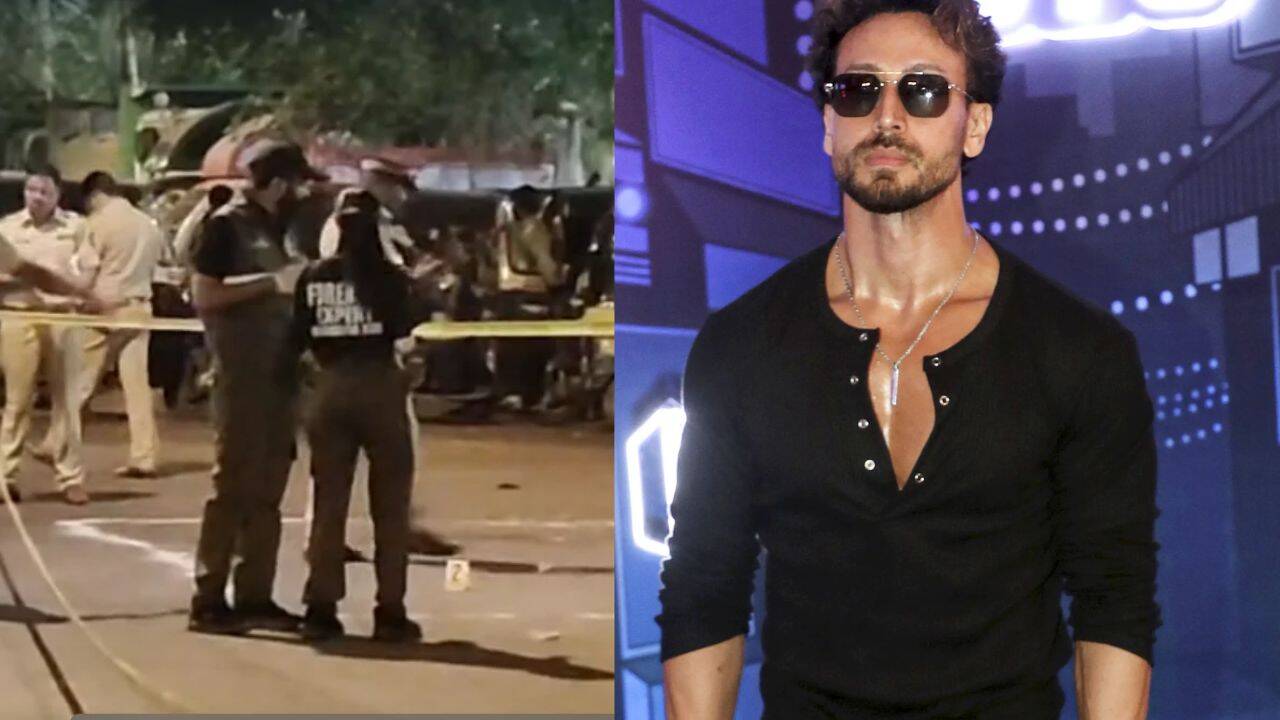
The concrete rupture occurred on a quiet stretch of Juhu beach road, where the roar of gunfire shattered the coastal calm and sent onlookers fleeing in panic. Tiger Shroff, a prominent figure in Indian cinema, escaped physical harm, but the incident left a visible scar on the social fabric of Mumbai. The perpetrators, identified by police as members of the Lawrence Bishnoi gang, fired multiple rounds at the moving vehicle, an act that was not merely an attempt on a life but a calculated message of intimidation. The immediate aftermath saw a massive police manhunt, with the city's security apparatus on high alert, signaling that the boundaries of criminal reach have expanded into the heart of the entertainment industry.
The underlying tension stems from a long-standing feud between the Bishnoi gang and the Khan family, a conflict that has persisted for years but has recently intensified. The gang's claim of responsibility, broadcast through social media channels, explicitly states that those who continue to collaborate with Salman Khan will be targeted. This institutional friction is not just between criminals and police, but between a parasitic criminal network and the economic ecosystem of Bollywood. The gang operates with a degree of impunity that suggests deep-rooted protection or a failure of intelligence gathering, allowing them to execute such a high-profile attack in a major metropolitan area. The friction here is ideological as much as it is criminal; the gang seeks to enforce a code of loyalty that transcends professional ethics, using violence to dictate the career choices of actors and producers.
The downstream casualties extend far beyond the immediate victims of fear. The entertainment industry now faces a chilling effect, where the safety of talent is compromised by the personal vendettas of a few. Insurance premiums for film productions may rise, and the freedom of association in the creative sector is effectively curtailed by the threat of lethal retaliation. For the state, this incident represents a tangible failure of its protective mandate, forcing a reevaluation of how it handles organized crime linked to the media. The structural consequence is a normalization of violence in public spaces, where the line between a criminal act and a political statement blurs, leaving the general public as collateral in a war fought for control over the cultural narrative.
Comments 0