The Chess Prodigy's Dilemma: Debt and Visa Uncertainty
Seventeen-year-old Indian chess prodigy Md Imran faces the loss of his US scholarship due to a 50 lakh rupee debt and visa complications. The situation highlights the precarious nature of international educational opportunities for talented young Indians from modest backgrounds.
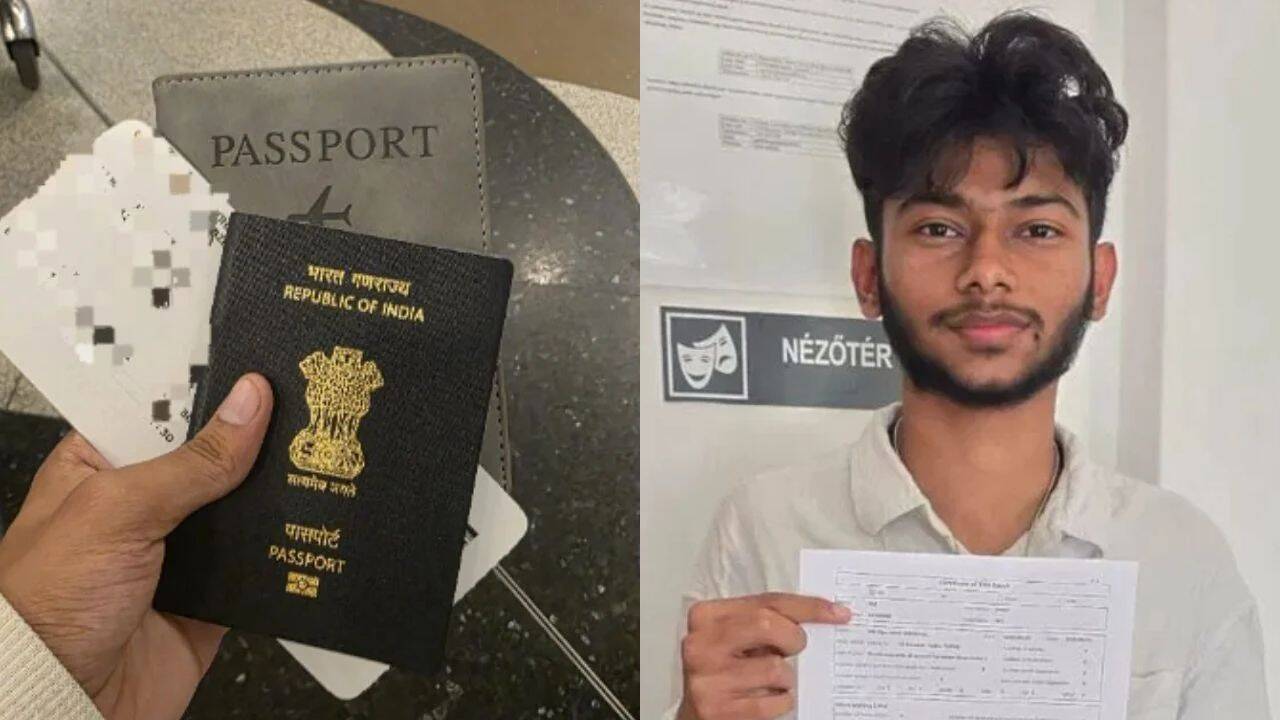
The concrete rupture in the career trajectory of Md Imran, a seventeen-year-old chess prodigy, is not a lack of talent but a failure of financial and administrative support. Just one Grandmaster norm away from a prestigious title, Imran is now at risk of losing his US scholarship due to a debt of 50 lakh rupees and visa issues. This situation has placed his future in the global chess arena in jeopardy, illustrating the stark reality that academic and athletic excellence alone is not enough to navigate the complexities of international education.
The underlying tension stems from the high cost of international education and the bureaucratic hurdles that students from developing nations face. The visa process, while designed to ensure security, can become a barrier for those who lack the financial resources to navigate its requirements. This institutional friction is exacerbated by the lack of robust scholarship support systems that can cover not just tuition but also the ancillary costs of living and legal compliance abroad.
The downstream casualties are the potential contributions of a young talent to the global chess community and the inspiration he represents for other young Indians. The tangible outcome is a heightened awareness of the need for more comprehensive support systems for international students. This case will likely prompt discussions on how to better assist talented students from modest backgrounds in accessing global opportunities without being derailed by financial and administrative obstacles.
Comments 0