Persistent Hazardous Smog Keeps Delhi Air Quality Trapped in Very Poor Band
Metropolitan air quality indices remained firmly in the very poor category with readings surpassing three hundred across multiple monitoring stations. Citizens continue to endure heavy smog layers as administrative interventions fail to yield relief.
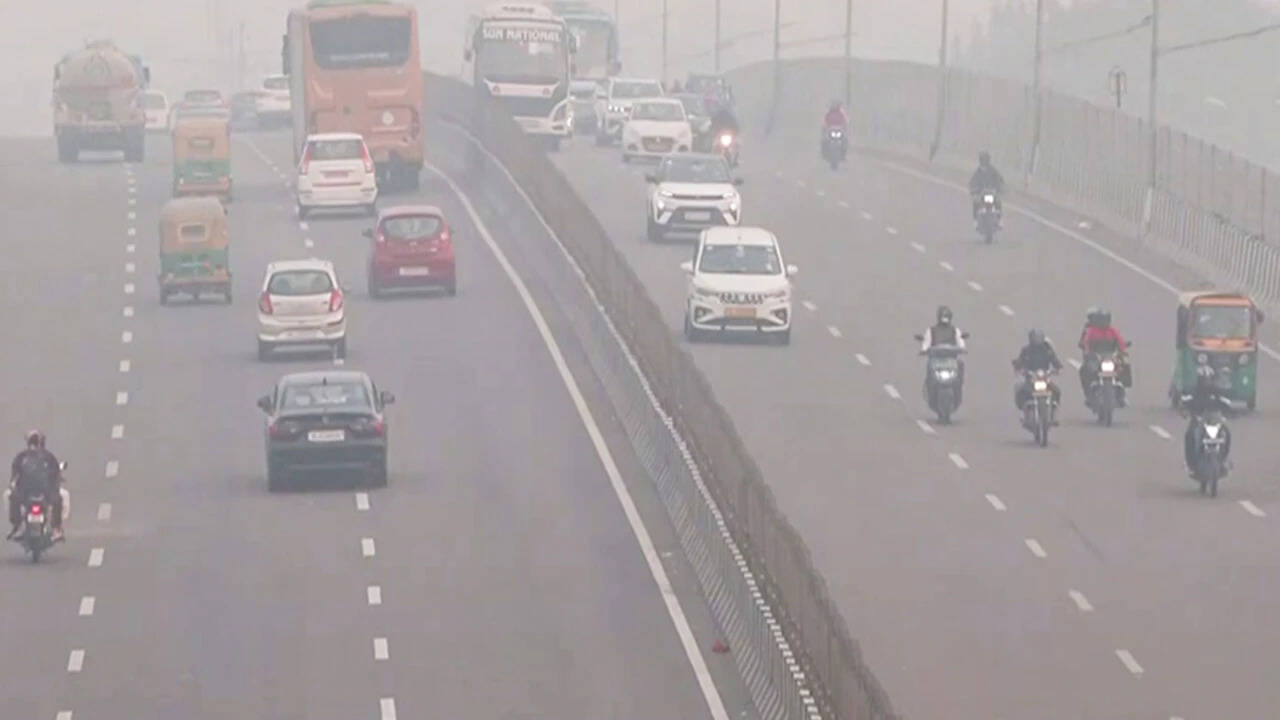
The National Capital Region woke up to another dense blanket of particulate smog as meteorological conditions conspired to trap pollutants near the surface layer. Stations in Jaffarpur and Chandni Chowk recorded near-severe levels, pushing the aggregate Air Quality Index well past the safe threshold. Despite a succession of emergency administrative meetings and targeted dust mitigation directives, the urban atmosphere refuses to clear, underscoring the severe limitations of piecemeal regional interventions during the winter inversion phase.
Institutional friction between neighboring state governments regarding agricultural stubble burning and local vehicular emission controls continues to impede coherent regional planning. Municipal authorities point fingers at neighboring jurisdictions while urban commuters absorb the immediate physiological toll of sustained toxicity. The lack of an enforceable, unified airshed management authority leaves municipal corporations struggling to implement effective cross-border traffic rationalization and construction bans without provoking immediate economic backlash from commercial lobbies.
The tangible outcome is an immediate surge in outpatient department visits for respiratory and cardiovascular ailments across major hospitals in the capital. Vulnerable demographics, including school children and elderly residents, face forced confinement, disrupting daily economic and educational routines. Without structural transformations in regional public transport networks and agricultural practices, Delhi remains trapped in an annual cycle of acute environmental distress.
Comments 0