The Chief Justice's Refusal to Engage with the INDIA Bloc
Chief Justice Surya Kant has formally declined a request from opposition leaders to discuss the Supreme Court's recent judgments on the Election Commission's powers. This refusal, grounded in the doctrine of separation of powers, signals a hardening of the judiciary's stance against political interference in electoral administration.
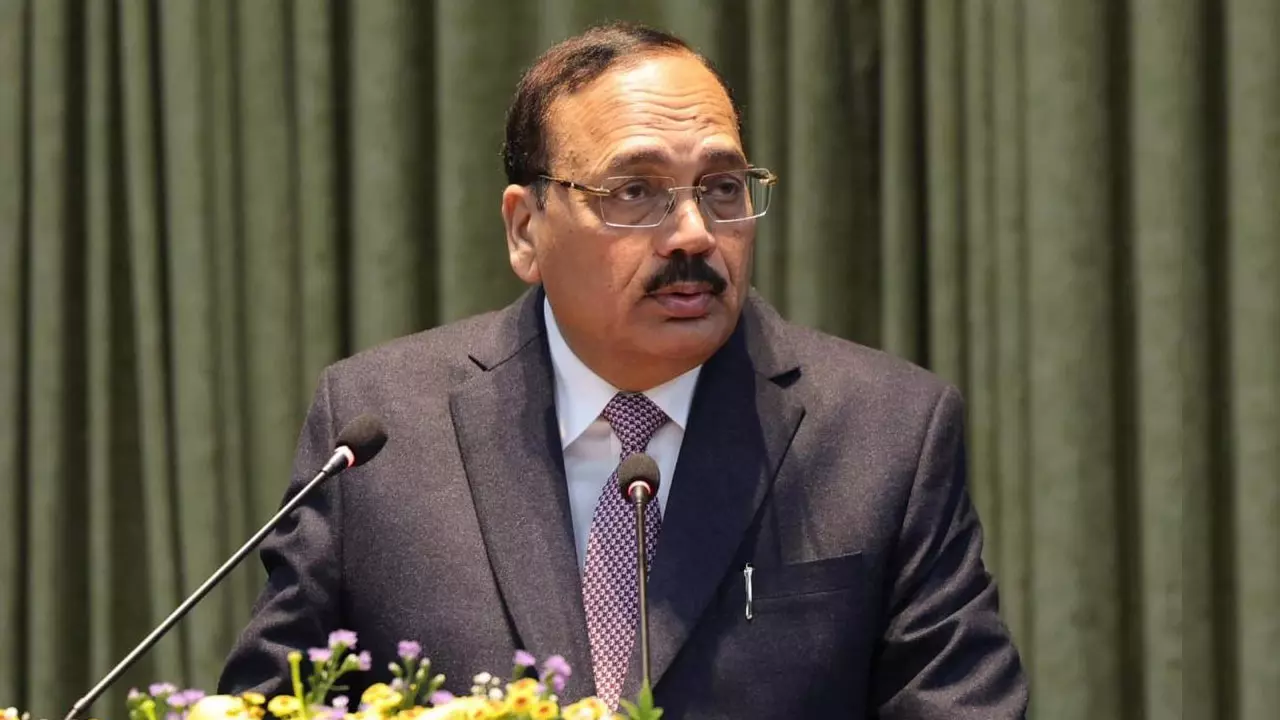
The Chief Justice of India, Surya Kant, has issued a categorical refusal to meet with representatives of the INDIA bloc, including Rahul Gandhi, who sought a dialogue regarding the Supreme Court's recent rulings on the Election Commission of India. The opposition leaders had requested an audience to discuss the implications of the judgments that curtailed the CEC's discretionary powers in matters of disqualification and electoral malpractice. By declining the meeting, the apex court has effectively closed the door on any informal negotiation or clarification, asserting that the judicial process is complete and not subject to political debate.
This decision underscores a deepening institutional friction between the judiciary and the political opposition, which views the recent rulings as a significant shift in the balance of power within India's democratic framework. The CJI's citation of the separation of powers as the primary reason for the refusal highlights the court's determination to maintain its independence from political pressure. The move is likely to be interpreted by opposition parties as a dismissal of their concerns, potentially escalating tensions and leading to further legal challenges or public protests.
The downstream consequence of this refusal is a consolidation of the judiciary's authority over electoral matters, leaving the opposition with limited avenues for recourse outside the legal system. The political fallout may intensify as the INDIA bloc seeks to rally public opinion against what it perceives as judicial overreach. This episode marks a significant moment in the ongoing struggle for institutional integrity in Indian democracy, with the stakes extending beyond the immediate electoral cycle to the broader question of judicial accountability.
Comments 0