The Collapse of Photovoltaic Valuations and the Global Scramble for Decentralized Power
Chinese photovoltaic panels have plummeted to twelve cents per watt, triggering an unprecedented surge in off-grid and rooftop installations across emerging markets. Traditional utility monopolies face existential pricing pressure as industrial centers and suburban households decouple from centralized energy grids.
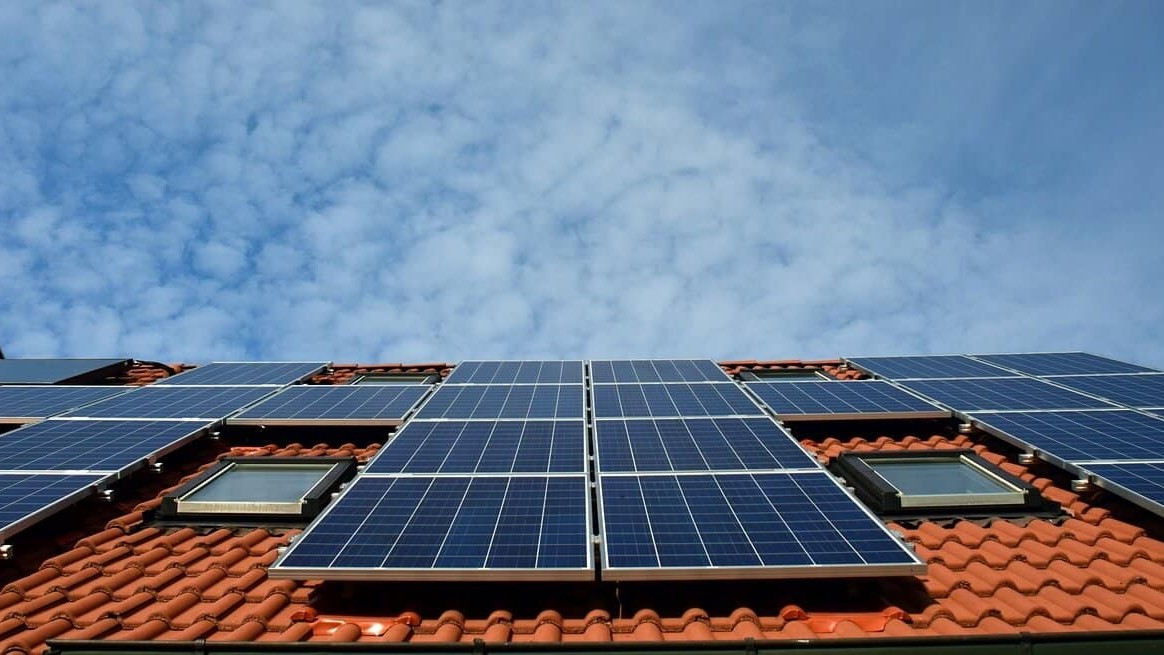
The global energy architecture is experiencing a silent upheaval as manufacturing overcapacity in East Asia drives photovoltaic cell prices down to historic lows. What began as subsidized industrial scaling has matured into a structural deflation of energy hardware costs, transforming solar modules from high-capital infrastructure investments into accessible consumer commodities. Across South Asia and Southeast Asia, cement plants, textile mills, and municipal buildings are rapidly retrofitting their roofs with panels costing a fraction of their turn-of-the-millennium equivalents. This dramatic reduction in hardware expense bypasses traditional state-backed power distribution companies, which now find their industrial customer bases eroding. Utility operators accustomed to captive monopolies are discovering that enterprise clients can generate independent power cheaper than municipal tariffs can deliver it. Regulatory bodies across the Global South are scrambling to formulate frameworks for net metering and grid stabilization as localized generation threatens to outpace centralized distribution networks. State-run power utilities in developing economies emerge as the primary structural casualties, burdened by legacy debts and fixed-infrastructure overhead while losing their most profitable commercial customers. Conversely, independent commercial enterprises and middle-class suburban homeowners secure long-term insulation from fossil fuel volatility. Over the coming quarters, this pricing collapse will force a fundamental rewriting of national energy policies, compelling sovereign grids to transition from primary power providers to secondary backup administrators.
Comments 0