Strait of Hormuz Volatility Widens Crude Grade Spreads Above Forty Dollars
Renewed geopolitical friction along critical Middle Eastern maritime corridors has fractured global energy benchmarks, driving Brent past one hundred dollars per barrel. Refiners now face an unprecedented forty dollar price gap between sour and sweet crudes, immediately penalizing import dependent economies across Asia.
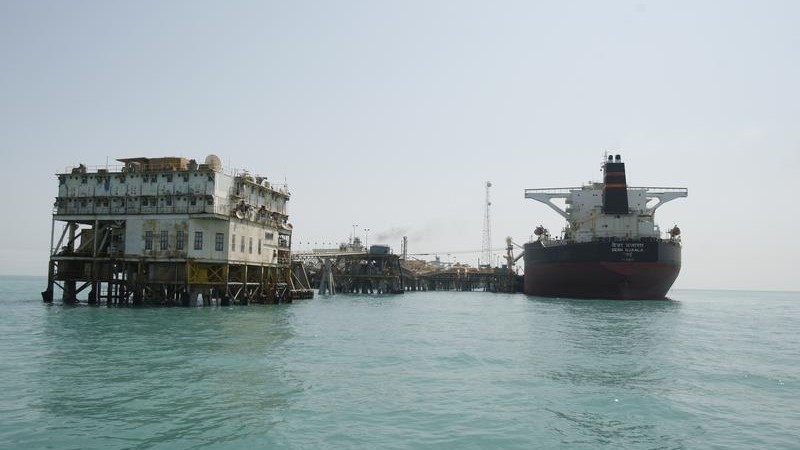
The fragile equilibrium of maritime energy transport fractured completely following renewed anxieties in the Persian Gulf. What began as a brief diplomatic pause in regional hostilities evaporated rapidly, leaving petroleum markets exposed to severe supply disruptions through the Strait of Hormuz. Traders rushed to reprice physical barrels, sending Brent surging past one hundred and seven dollars while West Texas Intermediate hovered near the threshold of third digit valuations. Underneath these headline figures lies a deeper structural dislocation within refinery feedstock economics. The sudden scarcity of heavy sour grades originating from Persian Gulf producers forced processing plants to compete fiercely for lighter, sweeter alternatives. This scramble exposed structural vulnerabilities in global maritime logistics, where decades of underinvestment in redundancy left supply chains incapable of absorbing sudden geopolitical shocks without severe pricing distortions. Asian industrial economies reliant on imported Middle Eastern crude absorb the most immediate damage, watching profit margins evaporate as feedstock costs skyrocket. Refiners unable to retool units quickly enough to process lighter grades face prolonged production curtailments, ultimately transmitting cost-push inflation downward into petrochemicals, plastics, and retail transportation fuels.
Comments 0