The Court's Silence: Justice Kant Declares Law and Order Outside Judicial Mandate
Chief Justice Surya Kant has explicitly refused to intervene in the escalating political crisis surrounding the Election Commission, asserting that law and order matters fall outside the Supreme Court's jurisdiction. This refusal has triggered a constitutional standoff, with opposition leaders threatening a march on the Court while the judiciary remains locked in procedural neutrality.
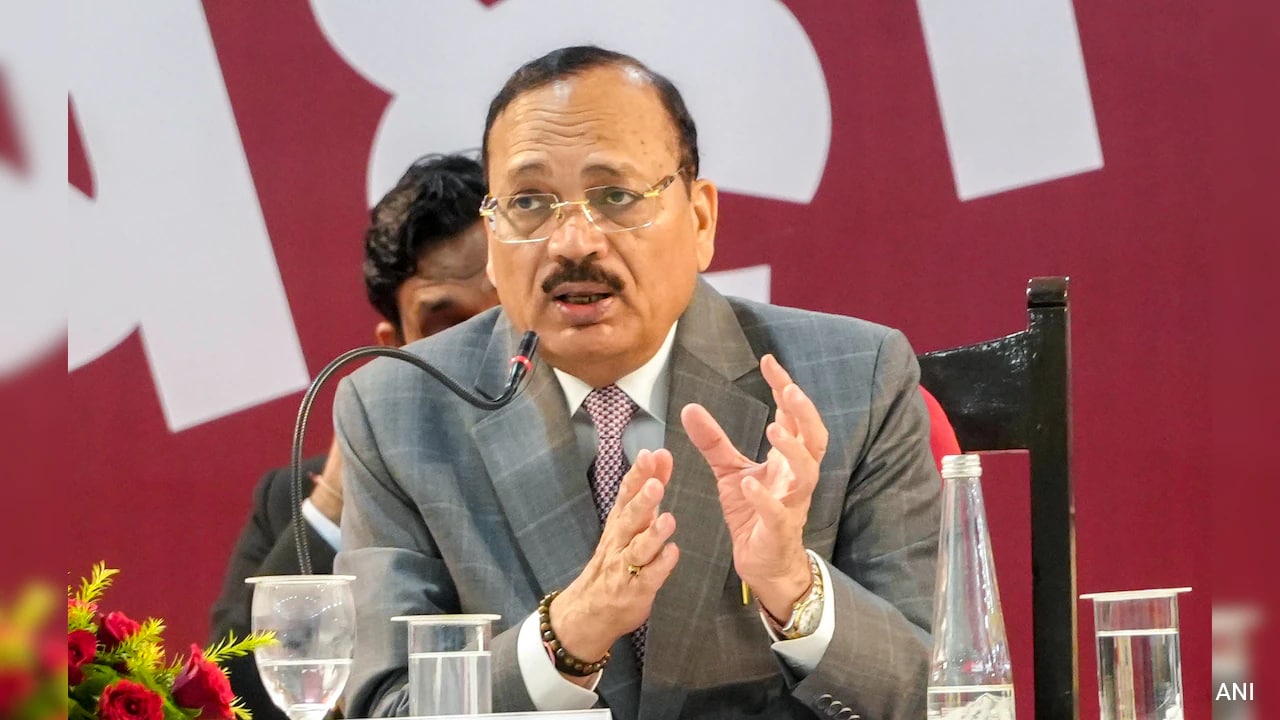
The rupture in the constitutional order is no longer theoretical but has manifested in the physical standoff at the gates of the Supreme Court. Chief Justice Surya Kant, addressing the intensifying agitation against Chief Election Commissioner Gyanesh Kumar, stated unequivocally that law and order is not within the domain of the judiciary. This declaration serves as a hard boundary, rejecting the opposition's attempt to leverage the Court as a political arbiter in the dispute over the Special Intensive Revision of voter rolls. The Chief Justice's stance effectively strips the opposition of their primary institutional lever, forcing them to confront the executive directly without the protective umbrella of judicial oversight.
The underlying tension stems from a fundamental disagreement over the independence of statutory bodies in a majoritarian context. The 2023 CEC Act has been cited by legal scholars as a mechanism that tests statutory consensus, yet the current crisis reveals a deeper fracture in the trust between the political opposition and the electoral machinery. The INDIA bloc, led by figures such as Rahul Gandhi and Mallikarjun Kharge, views the CEC's actions as a breach of democratic norms, while the government maintains that the judicial system is not a forum for political grievances. This institutional friction highlights the growing fragility of the checks and balances that have historically underpinned Indian democracy.
The immediate consequence of this judicial refusal is a heightened risk of street-level confrontation. With the Supreme Court doors effectively closed to political negotiation, the opposition is likely to escalate their protests, potentially leading to clashes with police forces. The downstream impact is a chilling effect on civil liberties, as the state may invoke public order statutes to suppress dissent. This episode marks a significant shift in the power dynamics, where the judiciary's neutrality is perceived as complicity, thereby eroding the public's faith in the impartiality of the highest court of the land.
Comments 0