The Delhi Roll: Supreme Court Scrutinizes ECI's Handling of Deleted Voters
The Supreme Court has intervened in the Delhi SIR controversy, questioning the Election Commission's directive for deleted voters to file Form 6. This judicial scrutiny threatens to destabilize the electoral roll ahead of critical state elections.
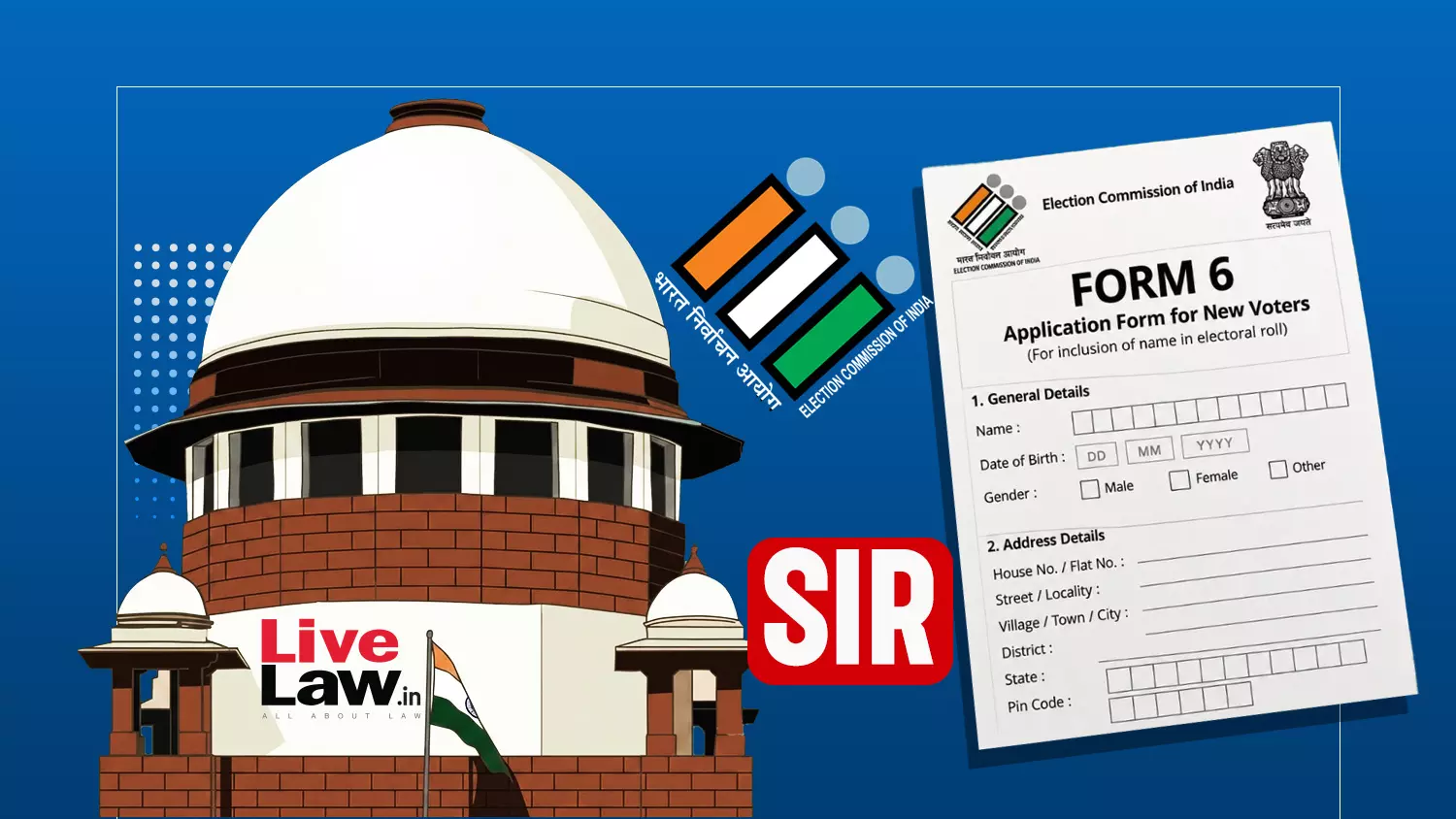
The Supreme Court of India has assumed a direct role in resolving the administrative chaos surrounding the Delhi State Integrated Roll (SIR). Petitioners have brought to the Chief Justice's attention a specific statement issued by the Election Commission of India, which instructed voters whose names were removed from the roll to submit Form 6 for reinstatement. The bench, led by the CJI, reassured the public that they need not be apprehensive, as the matter is currently under active judicial hearing. This intervention signals a significant shift from administrative autonomy to judicial oversight in the management of voter data.
The underlying tension stems from the perceived arbitrariness of the deletion process and the bureaucratic burden placed on citizens to prove their eligibility. The ECI's stance, as flagged by petitioners, suggests a procedural gap where the burden of proof has been shifted from the state to the individual. This friction highlights the fragility of the electoral infrastructure when faced with mass data corrections. The court's involvement now forces a transparent review of the criteria used for deletions, potentially exposing systemic flaws in the SIR's compilation and maintenance.
The immediate casualty of this dispute is public confidence in the integrity of the electoral process. If the court finds the ECI's directive flawed, it could lead to a massive legal challenge against the validity of the current roll. For the millions of affected voters, the outcome determines whether they retain their franchise or face disenfranchisement due to administrative error. The downstream consequence is a potential delay in the election schedule or a costly legal battle that erodes trust in the democratic machinery of the capital.
Comments 0