The Delhi Scholar Who Documented the Iranian Revolution and Its Religious Architects
A distinguished Delhi-based writer's historic archives reveal rare, firsthand interactions with Ayatollah Khomeini and Ali Khamenei during the restructuring of West Asian power. These accounts offer a profound perspective on the intellectual origins of modern Iranian statecraft.
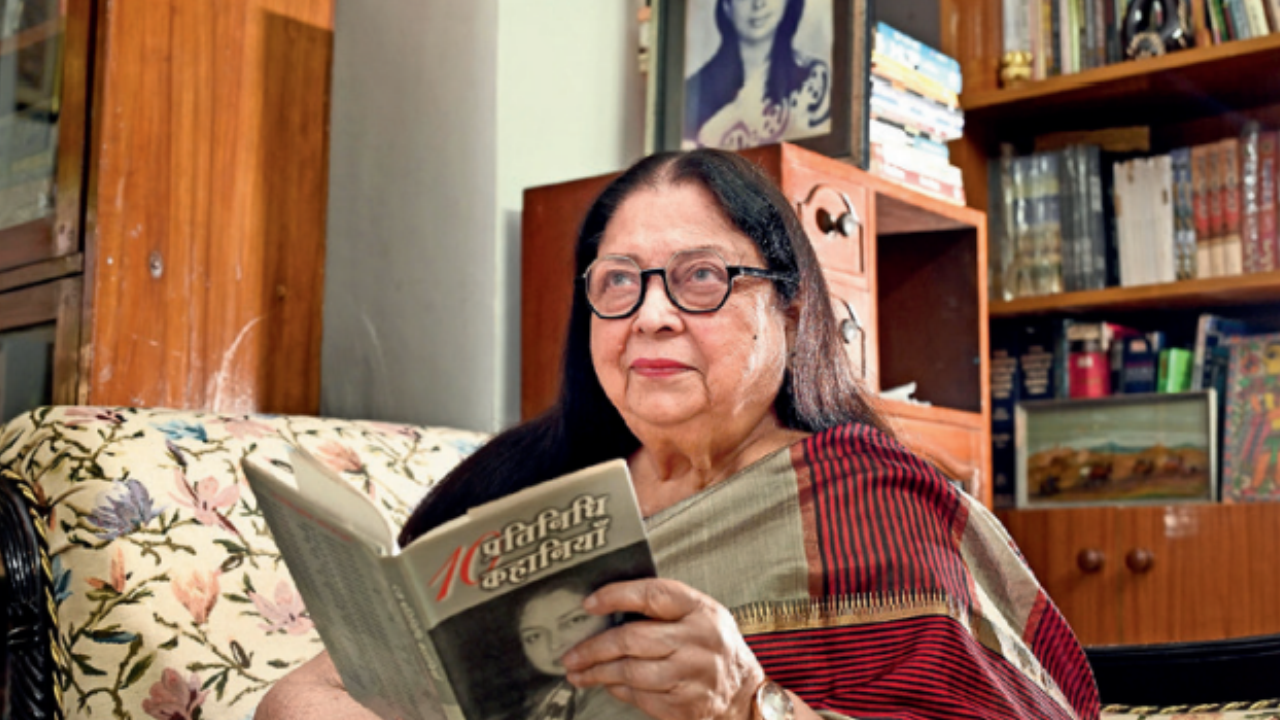
Long before modern geopolitical analysts turned their focus entirely toward Tehran, an independent Hindi author from Delhi managed to secure direct access to the architects of the 1979 Iranian Revolution. Engaging directly with Ayatollah Khomeini and a younger Ali Khamenei, this chronicler documented the ideological fervor transforming a secular monarchy into a Shia theocracy. The recently resurfaced records capture the exact moments religious orthodoxy merged with absolute state authority. The encounters highlight a period when intellectual curiosity from non-Western nations served as an alternative bridge to isolated revolutionary regimes. While Western journalists frequently viewed the upheaval through an exclusively Cold War lens, regional observers from South Asia analyzed the religious nationalism with distinct cultural familiarity. These writings document the precise ideological shifts that continue to dictate West Asian hostilities and diplomatic alignments today. Preserving these historical documents provides contemporary researchers with foundational context regarding how the Iranian clerical establishment views its regional adversaries. The intellectual legacy of these Delhi archives underscores India's historical capacity for independent diplomatic observation outside Western frameworks.
Comments 0