The Depreciation Spiral: Indian Rupee Slumps Near 96 Against the Dollar Amid Centurion Crude Prices
Persistent foreign capital outflows combined with crude oil prices lingering above one hundred dollars per barrel have driven the Indian rupee down toward the ninety-six threshold against the US dollar. This severe currency compression immediately inflates import bills across the board, intensifying inflationary pressures on domestic manufacturers and retail consumers alike.
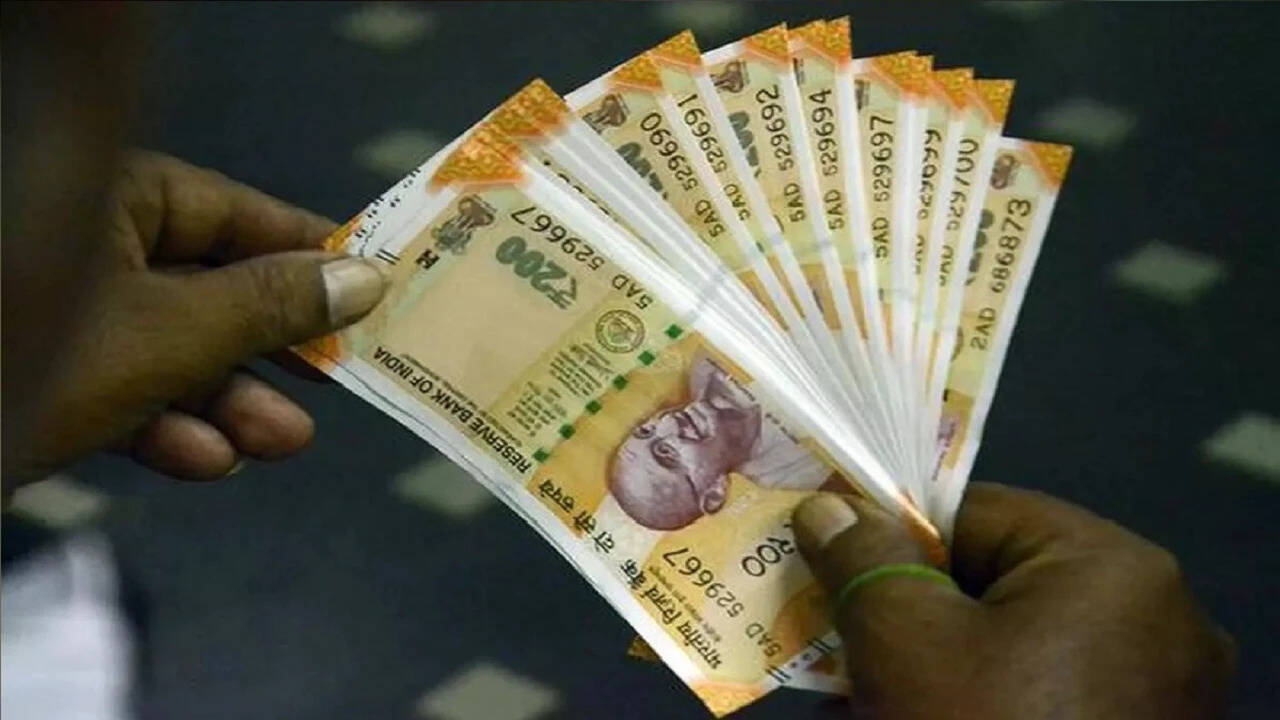
The opening of the financial week delivered a sobering reality for domestic markets as the Indian rupee hovered precariously near ninety-six against the US dollar. Currency traders faced relentless downward pressure driven by structural external imbalances and persistent capital flight from foreign institutional investors. The convergence of expensive energy imports and dwindling foreign exchange reserves has stripped the domestic currency of its traditional cushions, leaving policymakers with narrowing margins for monetary intervention. At the heart of this depreciation lies the unyielding cost of global energy, with crude oil holding firmly above one hundred dollars per barrel. India imports the vast majority of its crude requirements, meaning every upward tick in international petroleum benchmarks translates into an immediate drain on national reserves. Simultaneously, foreign portfolio investors continue to unwind their domestic holdings, seeking shelter in safer dollar-denominated assets as global macroeconomic uncertainty deepens. This dual shock creates a persistent deficit in the capital and current accounts, accelerating the currency slide. The downstream casualties of this exchange rate reality extend far beyond corporate boardrooms into the daily lives of ordinary citizens. Importers of electronics, industrial raw materials, and finished goods must absorb or pass on significantly higher landed costs, fueling domestic inflation. Meanwhile, domestic fuel retailers and transport operators face compressed margins, threatening a broader cost-push across supply chains. Without a sudden reversal in global oil dynamics or a massive influx of foreign direct investment, the monetary authority faces an uphill battle to defend the currency without sacrificing domestic growth momentum.
Comments 0