Trade Negotiations Between India and United States Reach an Intractable Plateau
India and the United States have struck a definitive impasse in bilateral trade talks as Finance Minister Nirmala Sitharaman confirms further concessions are untenable. This deadlock threatens to freeze comprehensive tariff reforms and forces both nations to recalibrate their economic strategies.
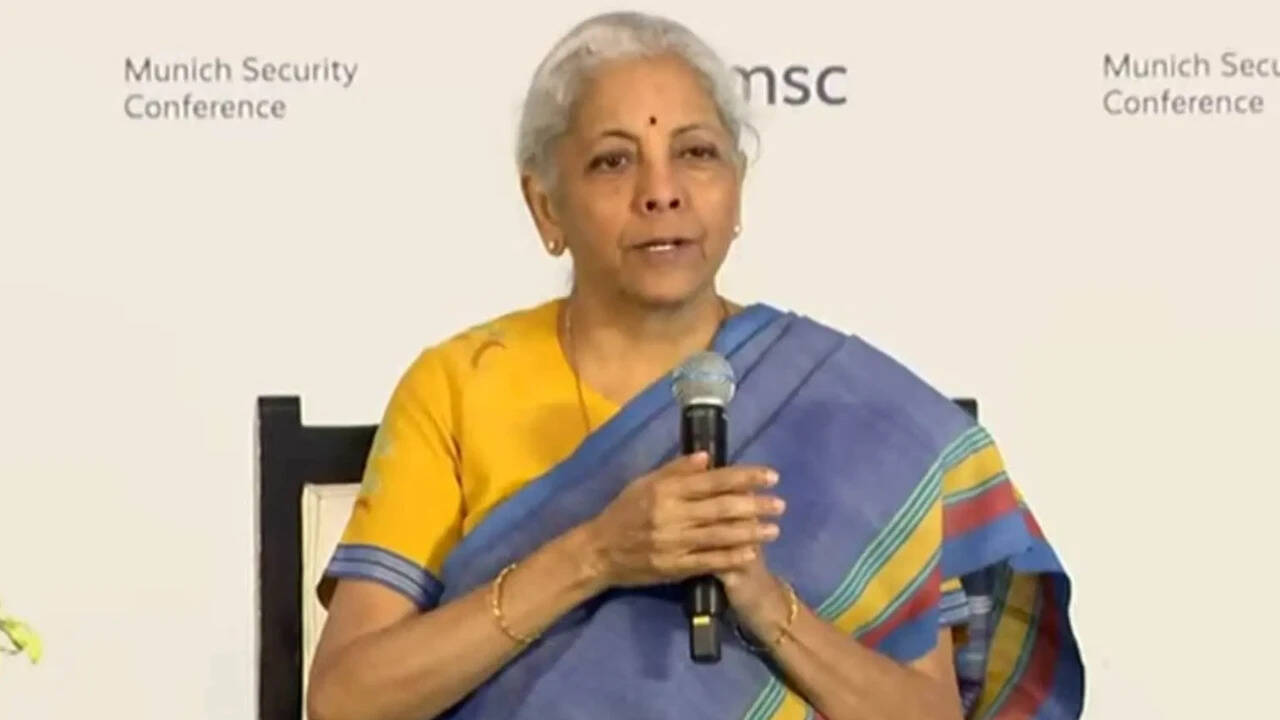
The economic dialogue connecting New Delhi and Washington has encountered a structural ceiling. Finance Minister Nirmala Sitharaman explicitly noted that further give and take has become exceedingly difficult, effectively signaling that the current negotiating mandate has run its course. For months, bilateral committees have attempted to untangle agricultural barriers, intellectual property standards, and market access quotas without arriving at a mutually palatable equilibrium. The friction stems from deeply entrenched domestic priorities on both sides. Washington continues to demand tighter enforcement of proprietary pharmaceutical rights and broader access for American dairy and agricultural exports, terms that carry severe political liabilities for New Delhi. Conversely, Indian policymakers remain unwilling to compromise on domestic manufacturing incentives and protective tariffs designed to shield local agrarian livelihoods from external market shocks. Consequently, the negotiating table has transformed into a theatre of polite intransigence where neither administration possesses the domestic political capital required to break the standoff. Downstream, this plateau halts momentum toward a bilateral trade agreement and forces commercial actors to operate under existing, friction-heavy tariff regimes. Exporters in both countries must now abandon hopes of preferential market access in the near term, compelling corporate boards to redirect capital expenditure toward alternative regional blocs. The immediate casualty of this diplomatic stalemate is the grand vision of a seamless economic corridor between the world's largest democracies, leaving bilateral commerce tethered to transactional friction.
Comments 0