The DOJ's Civil Rights Division: A Radical Reorientation of America's Legal Conscience
Under new leadership, the Justice Department's civil rights division has purged veteran attorneys and replaced them with ideological allies, fundamentally altering the agency's mission. This transformation has shifted the focus from protecting marginalized groups to enforcing the president's political agenda, raising profound questions about the integrity of the rule of law.
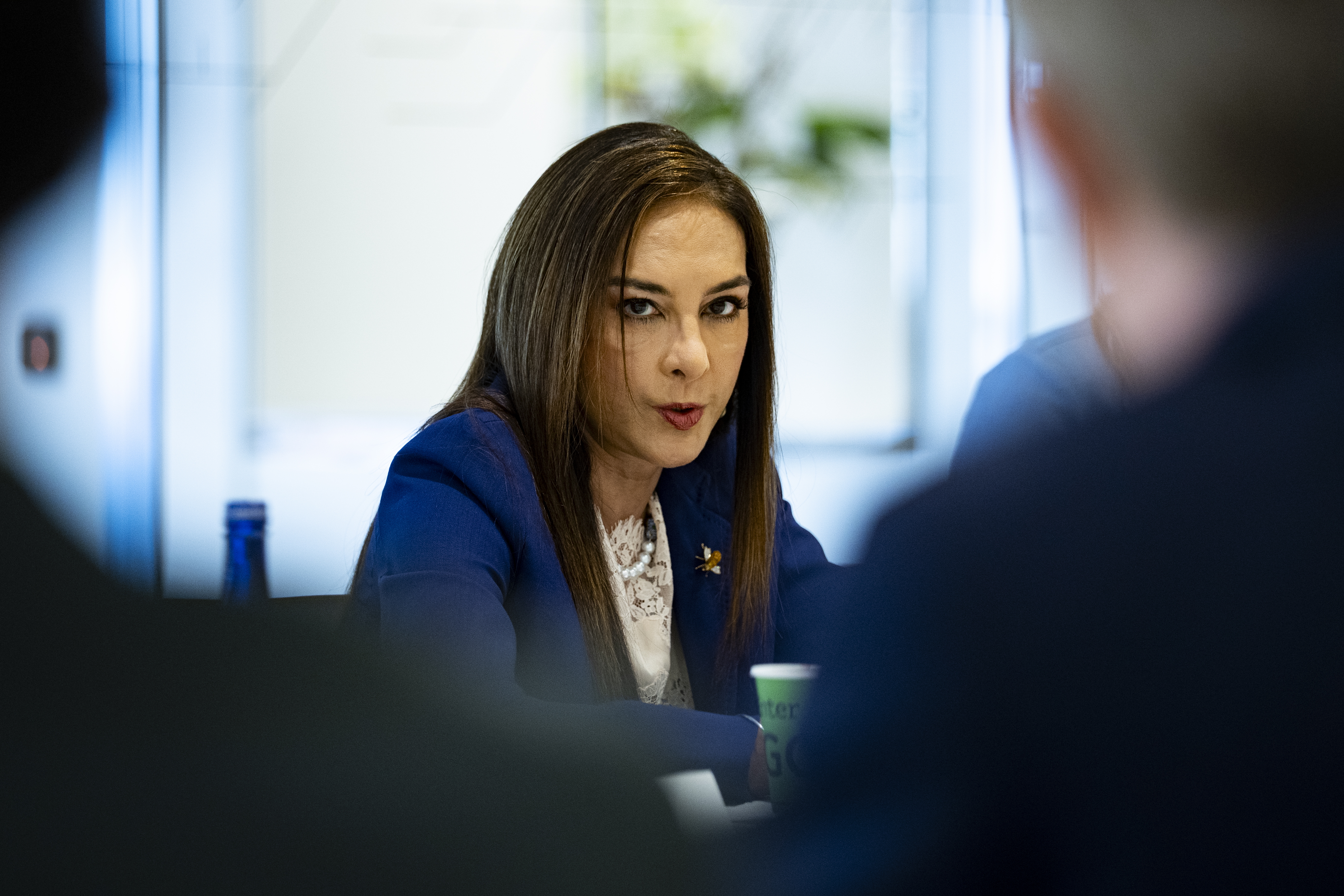
The restructuring of the Justice Department's civil rights division represents a seismic shift in the operational ethos of one of America's most powerful legal institutions. Harmeet Dhillon, the new head, has overseen the departure of hundreds of experienced attorneys who had dedicated their careers to defending civil liberties. In their place, the division has been staffed with individuals selected for their ideological alignment with the administration rather than their legal expertise. This purge has not merely changed the personnel; it has altered the very purpose of the division, turning it from a guardian of rights into an instrument of political enforcement. The immediate shockwave is felt in the legal community, where the precedent of such a wholesale replacement is viewed with alarm and skepticism.
The underlying tension in this transformation is rooted in a long-standing debate over the role of the executive branch in shaping legal policy. The administration views the civil rights division as a tool to advance its own agenda, challenging established norms of judicial independence and institutional neutrality. This friction is evident in the division's new enforcement priorities, which target groups and issues that align with the president's political base. The institutional memory of the department, built over decades of defending the rights of the vulnerable, is being eroded by a new leadership that prioritizes political loyalty over legal principle. This shift reflects a broader trend of politicizing federal agencies, undermining their credibility and effectiveness.
The downstream consequences of this reorientation are far-reaching and potentially damaging to the social fabric of the United States. The loss of experienced legal minds weakens the department's capacity to handle complex civil rights cases, leading to a decline in the quality of legal representation for those who depend on it. Moreover, the perception that the department is no longer impartial may discourage individuals and groups from seeking legal recourse, further marginalizing already vulnerable populations. The long-term impact could be a erosion of public trust in the justice system, with citizens viewing it as a partisan tool rather than a neutral arbiter. This shift has tangible implications for the protection of civil liberties, as the division's new priorities may lead to a narrowing of the scope of rights defended and a broadening of the scope of political enforcement.
Comments 0