The Ethanol Mandate Fractures: DKS Accuses Centre of Concealing Engine Failures
The Dr. K. L. Ahuja-led opposition has formally charged the central government with suppressing data on widespread engine failures linked to the aggressive ethanol blending programme. This accusation transforms a technical fuel dispute into a constitutional crisis over transparency and industrial accountability.
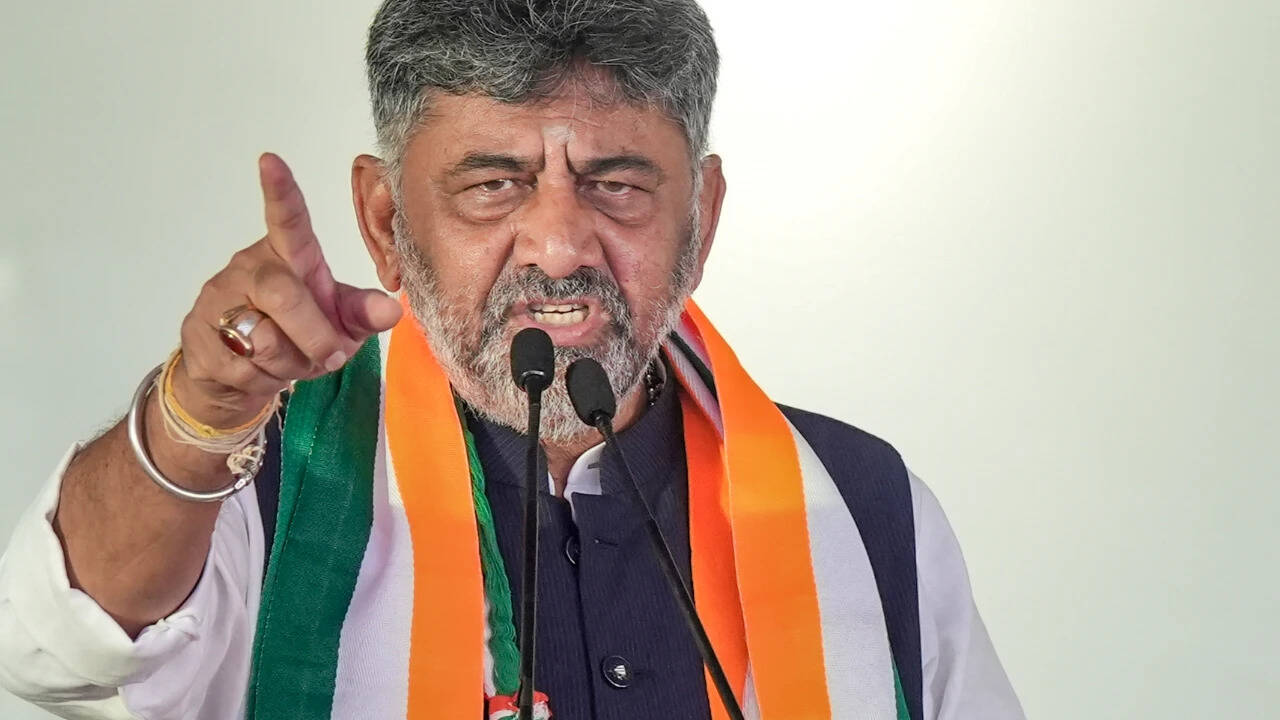
The rupture in India's energy policy discourse has moved beyond parliamentary debate into a direct institutional confrontation. The DKS faction, citing field reports from vehicle manufacturers and consumer bodies, alleges that the government is actively withholding data on critical engine malfunctions attributed to the high-percentage ethanol mix. This is not merely a complaint about fuel quality; it is a charge of state-sponsored negligence that threatens the integrity of the automotive supply chain. The accusation implies that the state is prioritizing the optics of energy independence over the mechanical reality of millions of vehicles on the road.
The underlying tension stems from the collision between political ambition and industrial physics. The government’s push to reduce import dependence on crude oil has accelerated the blending timeline, often ahead of the readiness of older vehicle models. Manufacturers have long warned that ethanol’s corrosive nature and lower energy density require specific engine modifications. The current friction suggests that the regulatory body has failed to enforce these technical prerequisites, leaving consumers and OEMs to bear the cost of a policy that was rushed for electoral and diplomatic gain. The institutional friction is now visible in the form of legal threats and public exposés by opposition leaders who see a window to challenge the executive’s competence.
The downstream casualties are already tangible. Vehicle owners are facing increased maintenance costs and reduced fuel efficiency, eroding the economic benefit of the programme. More critically, the trust in the national fuel standard is being damaged, potentially inviting international scrutiny from automotive partners who rely on Indian manufacturing standards. If the allegations of a cover-up are substantiated, the government faces a liability crisis that could extend to compensation claims from affected industries. The structural consequence is a forced deceleration of the blending mandate, as the state is compelled to audit its own energy transition strategy under the shadow of public distrust.
Comments 0