The Fragile Throne: Jensen Huang's Scandal and the Wobble in the AI Empire
Allegations of misconduct against Nvidia's chief executive have cast a long shadow over the semiconductor giant, threatening the stability of the entire artificial intelligence infrastructure. The market is now forced to confront the reality that the boom is tethered to the personal integrity of a single figure rather than diversified institutional governance.
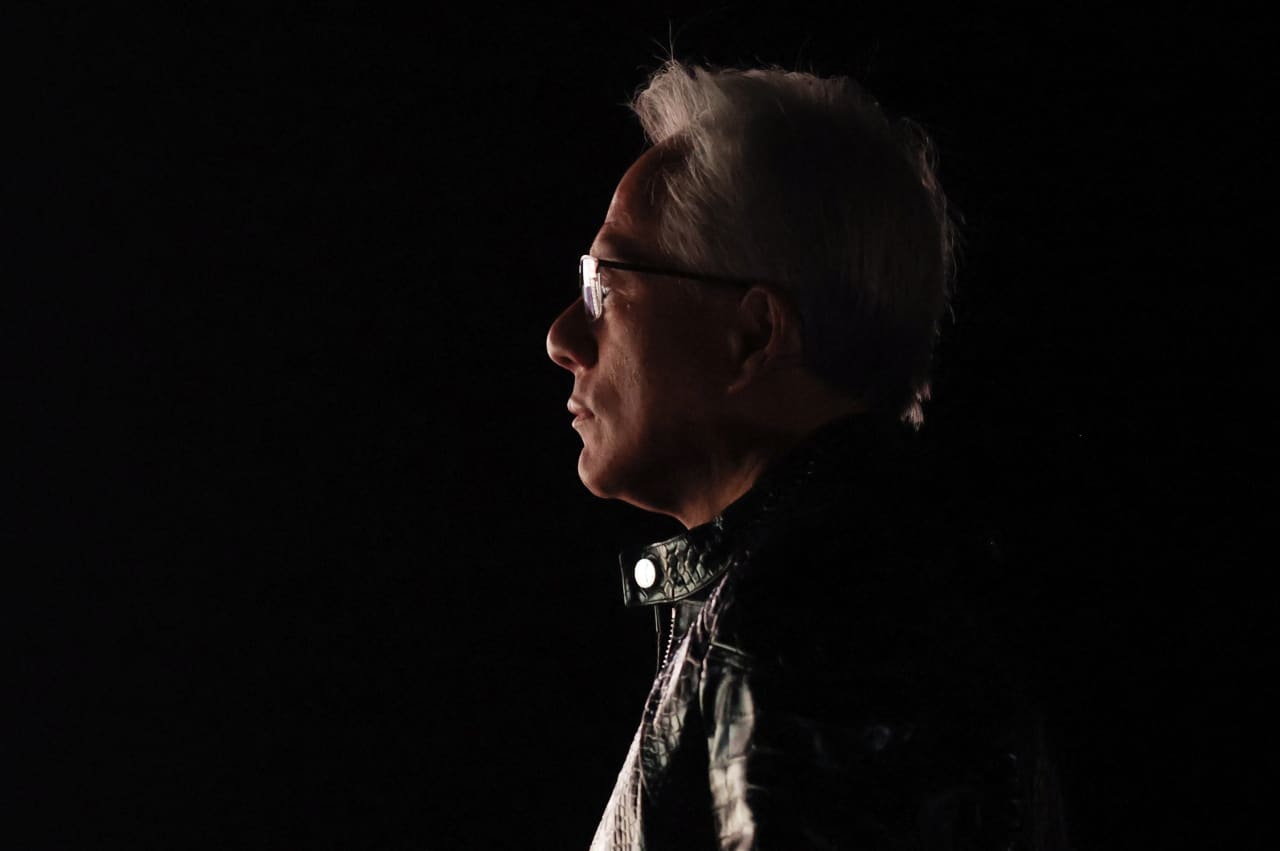
The revelation of a scandal involving Jensen Huang has struck at the heart of the most valuable company in the world. For years, Nvidia has operated as the indispensable engine of the AI revolution, its chips the literal substrate upon which modern intelligence models are built. Now, the narrative of unassailable corporate strength is fractured by questions of personal conduct and internal control. The immediate shockwave is not merely financial but existential for the sector; investors and partners are recalibrating their risk models, recognizing that the supply chain's most critical node is vulnerable to the reputational and legal liabilities of its architect. The market's reaction is a stark reminder that in the age of hyper-growth, the human element remains the most volatile variable.
The underlying tension here is the concentration of power in a single visionary leader. Huang has cultivated a culture of intense loyalty and rapid execution, but this very structure lacks the robust checks and balances typical of mature institutions. The friction between his personal brand and the corporate entity has been managed through sheer momentum, yet the current crisis exposes the fragility of that arrangement. Institutional investors are now scrutinizing the board's oversight and the company's compliance frameworks, asking difficult questions about what happens if the founder steps aside. This is not just a PR crisis; it is a stress test for the governance models of the new tech economy, where charisma has often substituted for procedural rigor.
The downstream consequences are already rippling through the global technology sector. Partners who have bet their futures on Nvidia's roadmap are now hedging their bets, exploring alternative architectures and suppliers to mitigate dependency. The AI boom, which was predicated on the assumption of limitless growth and stability, now carries a premium for uncertainty. For the broader economy, this signals a potential cooling of speculative fervor in tech stocks, as capital flows toward more defensible, diversified assets. The casualty is not just Nvidia's stock price, but the collective confidence in the sustainability of the AI infrastructure buildout, forcing a sober reassessment of who truly holds the keys to the future of computing.
Comments 0