The Fraying of Kolkata's Shared Festive Fabric
In Kolkata, the long-standing tradition of Muslims participating in Durga Puja committees is eroding, with many being excluded from organizational roles. This social rupture reflects a deeper communal polarization that is reshaping the city's cultural identity and challenging its reputation as a bastion of syncretic harmony.
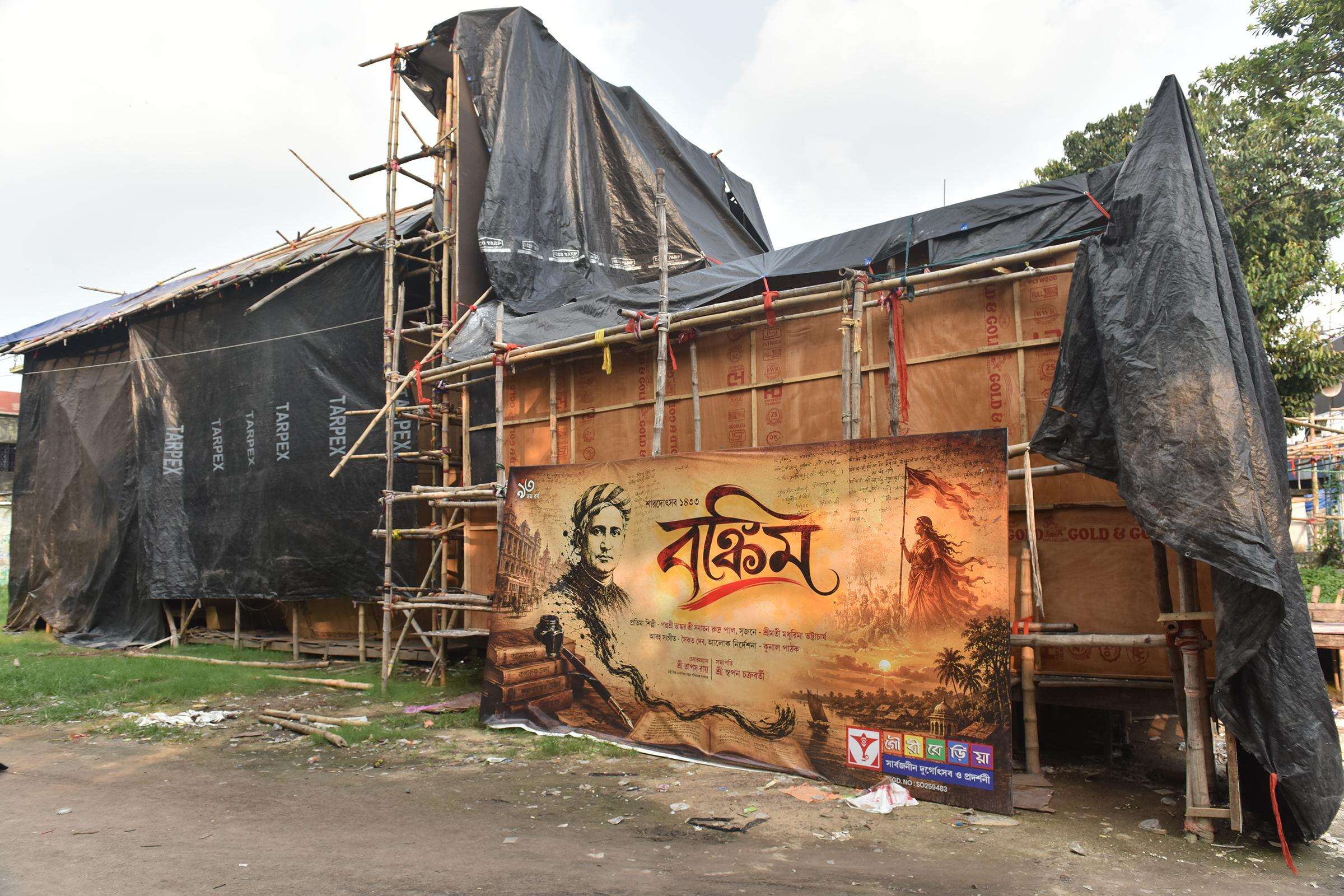
The exclusion of Muslims from Durga Puja committees in Kolkata represents a significant social rupture in a city that has long been celebrated for its communal harmony. What was once a shared cultural experience, where religious boundaries were temporarily suspended in favor of artistic and community celebration, is now being fractured by political and social tensions. The fraying of this tradition is not an isolated incident but a symptom of a broader trend of communal polarization that is affecting urban India. The immediate consequence is a loss of a unique cultural heritage that has been a source of pride for the city and a model for communal coexistence.
The underlying tension is rooted in the increasing politicization of religious identity and the use of cultural symbols as tools for political mobilization. The institutional friction arises from the fact that these committees are often informal, community-based organizations that are now being influenced by external political forces. This creates a dilemma for the organizers, who must balance their desire to preserve the inclusive spirit of the festival with the pressure to align with a particular political or communal agenda. The result is a gradual but steady exclusion of those who do not fit the dominant narrative, leading to a homogenization of the festival's character.
The downstream casualty is the social fabric of the city itself. The loss of shared cultural spaces weakens the bonds that hold a diverse society together, making it more susceptible to conflict and division. The tangible outcome is a Kolkata that is less representative of its historical identity, a city where the boundaries between communities are becoming more rigid and less permeable. The long-term consequence is a potential decline in the city's cultural capital, as it loses the very qualities that have made it a unique and urban center. This shift has implications for tourism, investment, and the overall quality of life in the city.
Comments 0