The Green Line in the Desert: Adani's Satara Power Project Halted by Wildlife Board
A stop-work order has been issued to an Adani company's power project in Satara, Maharashtra, due to the absence of necessary wildlife board approval. This regulatory intervention highlights the growing clash between India's renewable energy ambitions and environmental conservation mandates, forcing a reassessment of project timelines and compliance protocols.
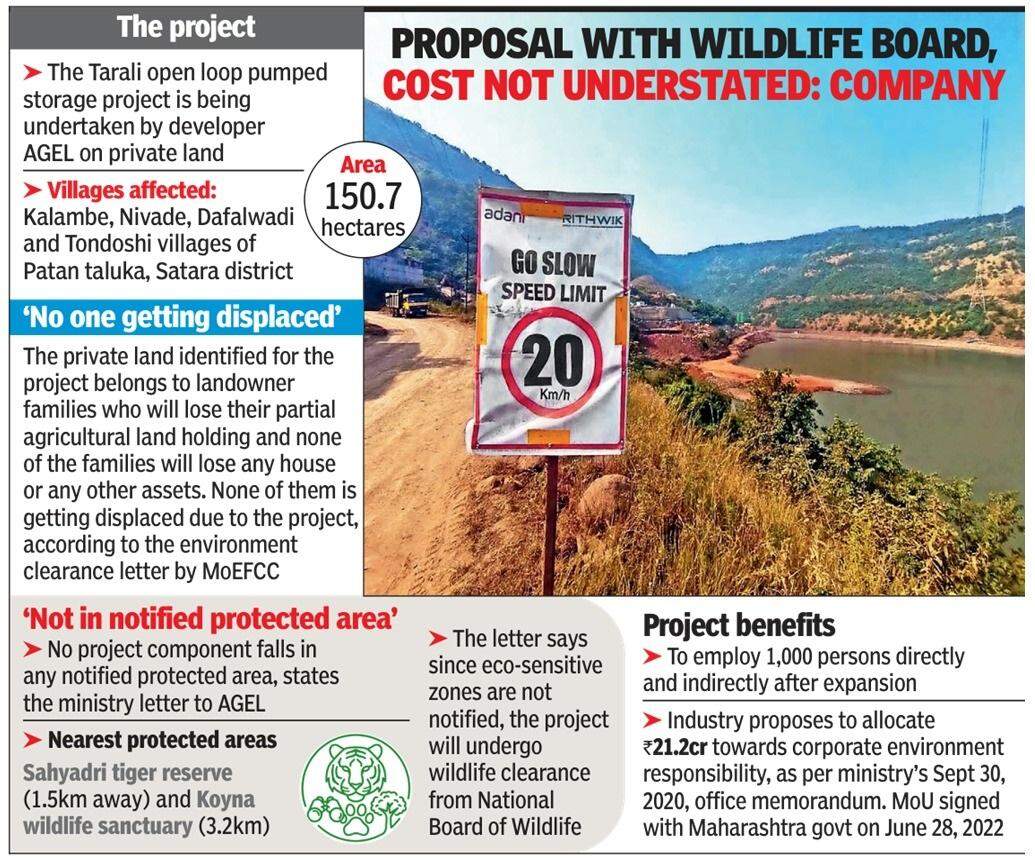
In the arid of Satara, the construction of a major power project by an Adani company has been brought to a halt. The Maharashtra state government issued a stop-work order, citing the lack of approval from the Wildlife Board. This regulatory action underscores the increasing scrutiny of large-scale infrastructure projects that intersect with protected ecological zones. The project, which was expected to contribute significantly to the state's energy grid, now faces an uncertain future as legal and environmental hurdles mount. The halt is a stark reminder that economic development cannot proceed in a vacuum, detached from the ecological realities of the region.
The underlying tension in this case is a classic conflict between industrial expansion and environmental stewardship. Adani Group, a major player in India's energy sector, has been aggressively pursuing renewable energy projects to meet national targets. However, these projects often face resistance from environmental bodies and local communities who are concerned about the impact on biodiversity and local ecosystems. The Wildlife Board's refusal to grant approval without proper clearance reflects a stricter enforcement of environmental laws, a trend that has gained momentum in recent years. This friction is not merely bureaucratic but represents a deeper societal debate about the cost of progress.
The downstream consequences of this stop-work order are . For the Adani company, it means a delay in revenue generation and potential penalties for non-compliance. For the state of Maharashtra, it raises questions about the planning and approval processes for large-scale projects, which may need to be revised to ensure greater coordination between industrial and environmental agencies. The tangible outcome is a pause in the project's timeline, which could have ripple effects on the state's energy supply and investment climate. This incident also serves as a warning to other developers that environmental compliance is no longer an optional step but a fundamental requirement for project viability.
Comments 0