The Green Maroon Shift: Bengal Forests Redefine Their Identity
West Bengal’s forest department has initiated a symbolic yet administrative transition to a green and maroon colour code, marking a departure from traditional bureaucratic aesthetics. This move signals a broader institutional effort to align visual identity with ecological stewardship and regional heritage.
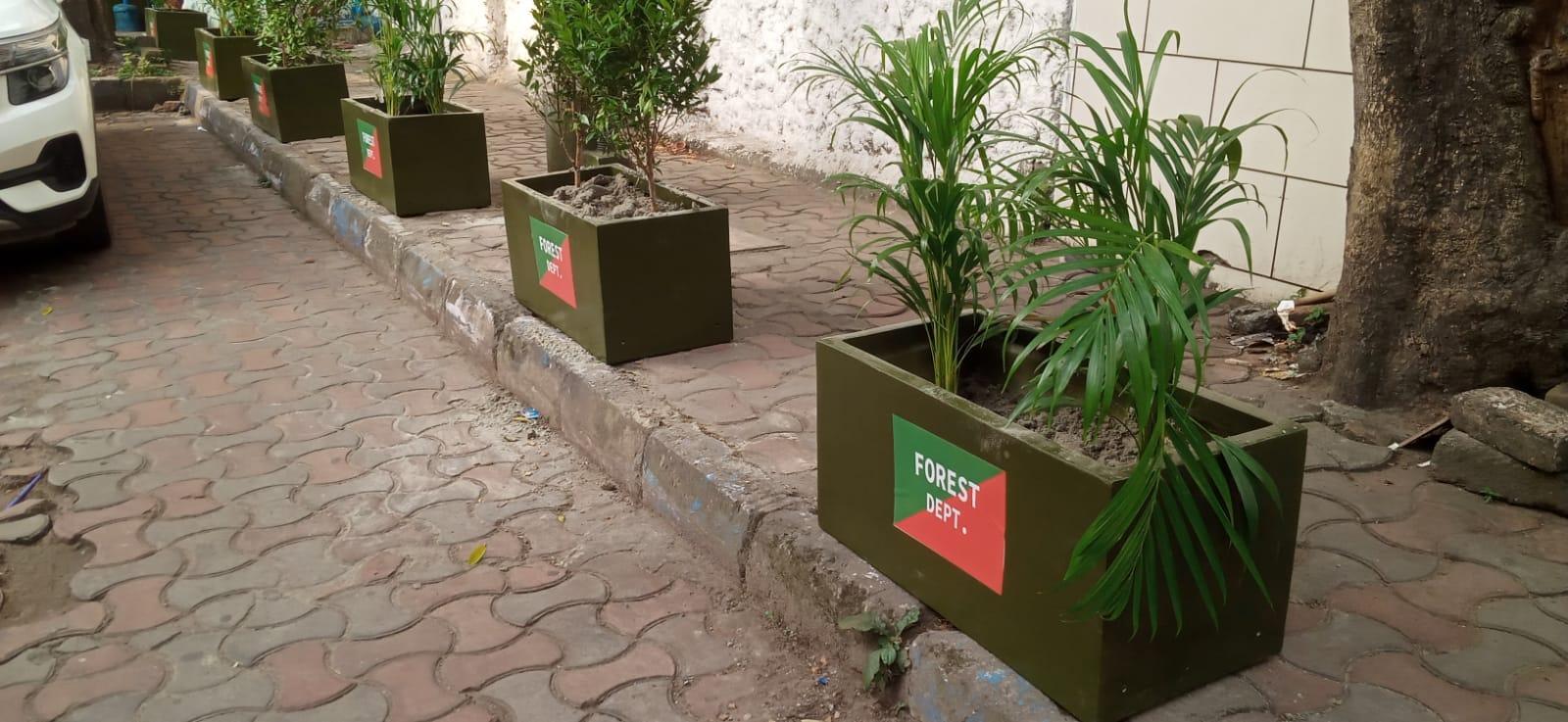
The forest department of West Bengal has commenced a phased transition to a new visual identity, replacing standard bureaucratic uniforms and signage with a distinctive green and maroon colour code. This change is not merely cosmetic; it represents a deliberate attempt to distinguish the department’s public face from other state agencies and to embed a sense of ecological urgency into its daily operations. The maroon shade, often associated with soil and earth, paired with the green of the canopy, creates a visual language that speaks directly to the land the department is tasked to protect.
The decision to adopt this specific palette reflects an underlying tension between modern administrative efficiency and the need for cultural and environmental resonance. For decades, state forest departments across India have operated under generic, often faded, khaki or blue uniforms that blend into the background of government bureaucracy. By choosing a bolder, more specific identity, the Bengal administration is attempting to forge a stronger connection with the local populace and the diverse tribal communities that inhabit the forest belts. This shift is part of a larger national conversation about how environmental agencies can project authority and care simultaneously.
The downstream impact of this visual rebranding is likely to be felt in public perception and engagement. A more distinct and recognizable uniform can enhance the visibility of forest guards and rangers, potentially improving community cooperation in anti-poaching and fire prevention efforts. However, the success of this initiative will depend on whether the symbolic change is accompanied by tangible improvements in resource allocation and enforcement capabilities. Without a corresponding increase in funding and training, the new colours may remain a hollow gesture, failing to address the deepening crisis of deforestation and habitat loss that threatens the state’s biodiversity.
Comments 0