The High-Altitude Reckoning of Hanle's Dark Sky Reserve
At four thousand five hundred metres above sea level, rural women in Ladakh are transforming into professional astro-ambassadors through community-led astronomical tourism. This initiative redirects astronomical capital directly into local households, displacing traditional economic dependence on nomadic pastoralism.
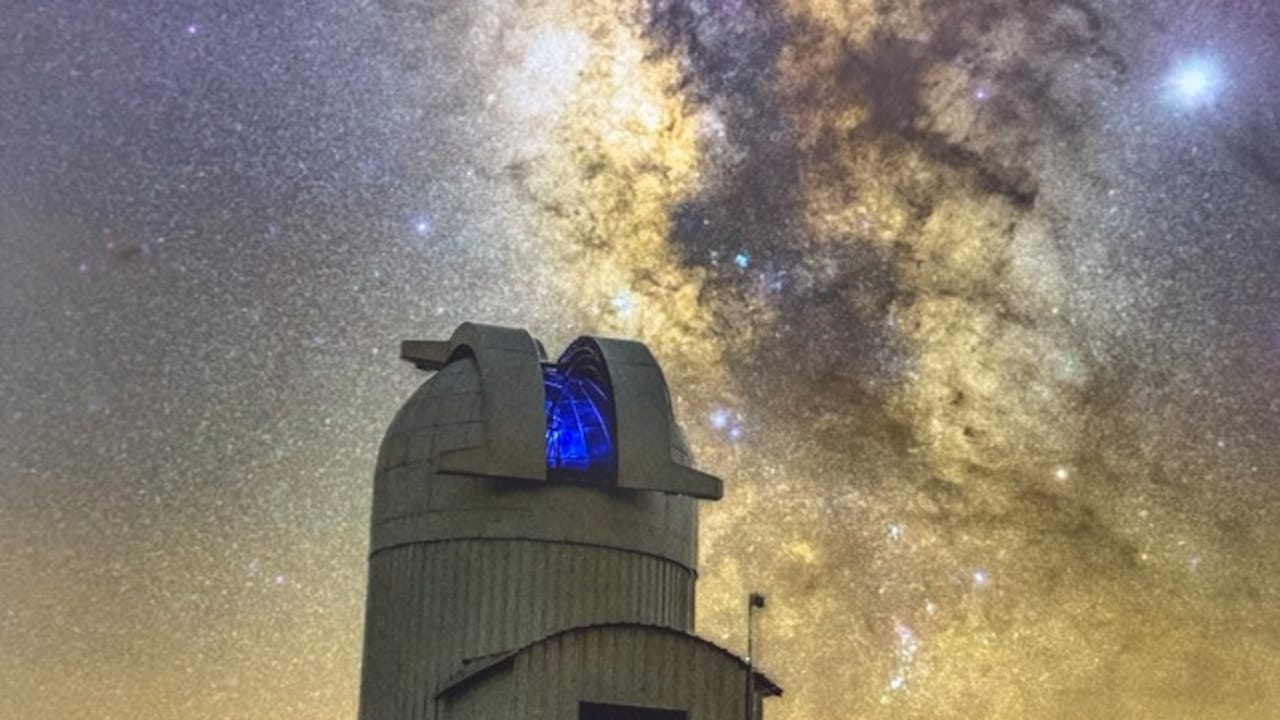
High upon the freezing expanse of the Changthang plateau, the remote settlement of Hanle has emerged as the nucleus of India's premier Dark Sky Reserve. For generations, the inhabitants of this austere geography navigated survival through seasonal livestock rearing under punishing climatic conditions. Today, the pristine altitude and absolute absence of light pollution are generating an entirely novel economic architecture driven by astrotourism. State administrators and scientific institutions converged to designate this zone, yet the operational reality on the ground required local human capital rather than imported expertise. Women from indigenous communities, previously sequestered from technical vocations, underwent rigorous training to operate high-powered telescopes and interpret celestial mechanics for visiting astronomers. This transition exposed deep friction between traditional pastoral elders and a younger generation claiming agency over scientific literacy and institutional hospitality. Consequently, household incomes across Hanle have decoupled from purely agrarian vulnerabilities, establishing a resilient micro-economy centered on astronomical preservation. The institutional recognition of these women as accredited guides alters gender dynamics within Himalayan households, permanently shifting domestic power balances. Over the coming quarters, this model will likely serve as the template for high-altitude conservation zones across other mountain states seeking sustainable revenue streams.
Comments 0