Skip to content
🌐 Global🇮🇳 India📍 Asia-Pacific📍 Bihar📍 Delhi-NCR📍 East India📍 Europe📍 Gujarat📍 Karnataka📍 Kerala📍 Madhya Pradesh📍 Maharashtra📍 Middle East📍 North India📍 Northeast India📍 Punjab📍 Rajasthan📍 South India📍 Tamil Nadu📍 Telangana📍 United Kingdom📍 United States📍 Uttar Pradesh📍 West Bengal📍 West India
LIVE
Lucknow activist demands equal opportunity in election symbols in U.P. polls◆Pakistan Minister to lead delegation to Delhi for SCO Civilisations Dialogue Forum◆This is a remarkable diplomatic moment for China's Xi - but it comes with pitfalls◆DakshinaChitra in Chennai celebrates 30 years of preserving South India’s rich cultural heritage - The Hindu◆Mumbai man ports 26-year-old mediclaim policy from United India Insurance, pays Rs 56,036 premium for Rs 25 lakh cover; Care Health denies cashless treatment for brain aneurysm citing non-disclosure of Bell’s Palsy; consumer commission awards Rs 35,000◆The Hollowing of Ancestral Property: A Legal Erosion in India◆Bank Unions Mobilize Against IDBI Sale as Solidarity Strike Looms◆Delhi man with critical stroke waits 5 hours to be shifted from hospital, family arranges ambulance themselves, consumer commission orders Rs 15 lakh compensation for deficient service◆Lucknow activist demands equal opportunity in election symbols in U.P. polls◆Pakistan Minister to lead delegation to Delhi for SCO Civilisations Dialogue Forum◆This is a remarkable diplomatic moment for China's Xi - but it comes with pitfalls◆DakshinaChitra in Chennai celebrates 30 years of preserving South India’s rich cultural heritage - The Hindu◆Mumbai man ports 26-year-old mediclaim policy from United India Insurance, pays Rs 56,036 premium for Rs 25 lakh cover; Care Health denies cashless treatment for brain aneurysm citing non-disclosure of Bell’s Palsy; consumer commission awards Rs 35,000◆The Hollowing of Ancestral Property: A Legal Erosion in India◆Bank Unions Mobilize Against IDBI Sale as Solidarity Strike Looms◆Delhi man with critical stroke waits 5 hours to be shifted from hospital, family arranges ambulance themselves, consumer commission orders Rs 15 lakh compensation for deficient service◆
Home / Politics
Politics

The Hollowing of Ancestral Property: A Legal Erosion in India

Recent judicial interpretations have significantly narrowed the scope of ancestral property rights, shifting the legal burden onto claimants to prove continuous possession. This shift dismantles a centuries-old presumption of joint family ownership, leaving millions of heirs with diminished claims and heightened litigation risks.
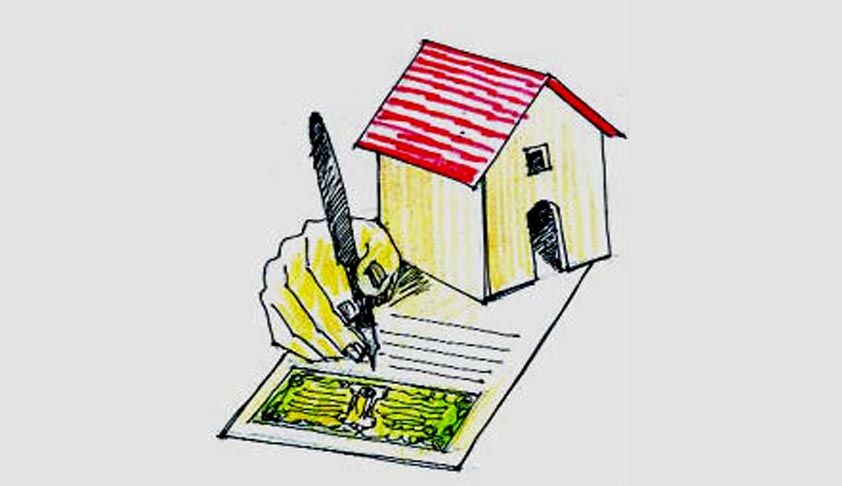
LiveLawNovember 19, 20261 min read
Share this story
The Hollowing of Ancestral Property: A Legal Erosion in India
The Strategic Consequence
Within twelve months, property litigation costs will rise sharply as the burden of proof shifts entirely to claimants, accelerating the consolidation of land in the hands of legally sophisticated individuals and reducing the economic security of joint family members.

The legal architecture governing ancestral property in India is undergoing a quiet but profound dismantling. For generations, the law presumed that property held by a joint family was shared equally among male coparceners, a principle rooted in the Hindu Succession Act. However, recent rulings have eroded this presumption, requiring heirs to demonstrate specific, unbroken possession or title rather than relying on lineage alone. This concrete rupture means that a son or daughter can no longer automatically claim a share in family land simply by virtue of birth; the onus has shifted decisively to the individual to prove their right, a standard that many families, particularly those with fragmented records, cannot meet.

The underlying tension stems from the collision between traditional joint family structures and modern individualistic property law. As urbanization and nuclear families become the norm, the joint family unit has weakened, yet the legal framework has not fully adapted to this social reality. Courts are increasingly skeptical of vague claims of ancestral title, viewing them as potential tools for fraud or land grabbing. This institutional friction reflects a broader judicial trend toward strict evidentiary standards, prioritizing documented title deeds and revenue records over oral histories or customary practices that once held significant weight in rural and semi-urban India.

Advertisement

The downstream casualties are primarily the middle and lower-middle classes who rely on ancestral land for livelihood and security. Without the protective shield of automatic coparcenary rights, these individuals face increased vulnerability to disputes with more organized or legally astute family members. The tangible outcome is a surge in property litigation, where the cost of legal battles often exceeds the value of the disputed land. For many families, this legal erosion signals the end of an era where land was a shared family asset, replacing it with a competitive, individualistic regime that favors those with the resources to navigate complex legal procedures.

📰 Primary Source Publication Verified Resource & Provenance
Original Resource
✉
The Next Brief
Get the day's most important stories in one email
AI-curated morning digest. No noise. Unsubscribe anytime.

Comments 0

Advertisement

Related stories

Most read

  1. 1Tech Glitches Disrupt United Airlines and Major U.S. BanksTechnology
  2. 2Unclaimed Wealth Liquidation and the Supreme Court Battle Over Inherited AssetsFinance
  3. 3Karnataka Unveils Advanced Tech Blueprint to Accelerate Artificial Intelligence and Deep TechTechnology
  4. 4Nvidia Places Megaspeed on No‑Sell List Amid US ProbeTechnology
  5. 5Washington Tightens Export Controls on AI Hardware After Nvidia FalloutTechnology