The Independent Surge: Democrats’ Hail Mary in the Rust Belt
Democrats are betting on independent candidates in Nebraska and Montana to break the Republican hold on the Senate. This strategy reflects a desperate attempt to overcome the party’s brand weakness in key swing states and secure a legislative majority.
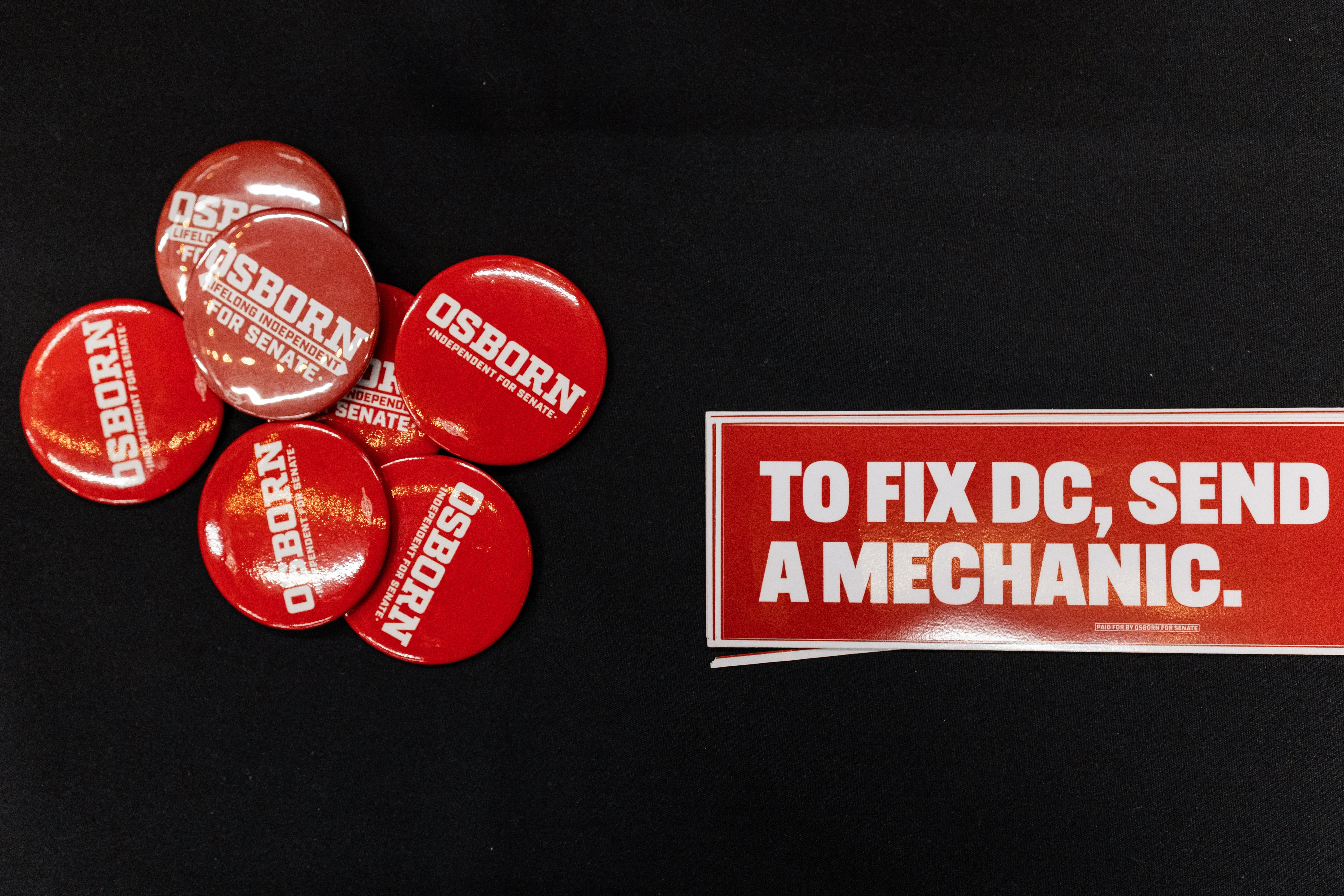
The Democratic Party is turning to independent candidates in Nebraska and Montana as a last-ditch effort to win the Senate in the upcoming midterms. This strategy is a direct response to the party’s declining brand recognition and appeal in these traditionally Republican states. By fielding independent candidates, Democrats hope to tap into a pool of voters who are disillusioned with both major parties and are looking for a fresh voice. The move is a calculated risk, acknowledging that the traditional Democratic brand is not enough to win in these regions and that a different approach is needed.
The underlying tension is the internal conflict within the Democratic Party between its base and its need to expand its coalition. The party’s base is often at odds with the independent candidates, who may not share the same ideological commitments. The institutional friction is evident in the difficulty of coordinating a campaign that appeals to a diverse group of voters, each with their own priorities and concerns. This makes it challenging to build a unified message that can resonate with a broad audience. The party is essentially betting that the desire for change is stronger than the loyalty to party lines.
The downstream consequences of this strategy will depend on the success of the independent candidates in winning their respective races. The tangible outcome of a Democratic victory in the Senate would be a significant shift in the balance of power in Washington, allowing the party to advance its legislative agenda. However, if the strategy fails, it could further weaken the party’s position in these states and make it even more difficult to compete in future elections. For the voters, the choice is between a familiar but failing party and an uncertain but potentially transformative alternative.
Comments 0