The Looming Threat of Secondary Sanctions on Indian Energy Imports
Washington legislative moves toward punishing secondary tariffs threaten to disrupt New Delhi's discounted energy imports from Moscow. The confrontation forces Indian trade ministries to recalibrate long-term bilateral currency agreements and balance Western pressure against domestic inflation controls.
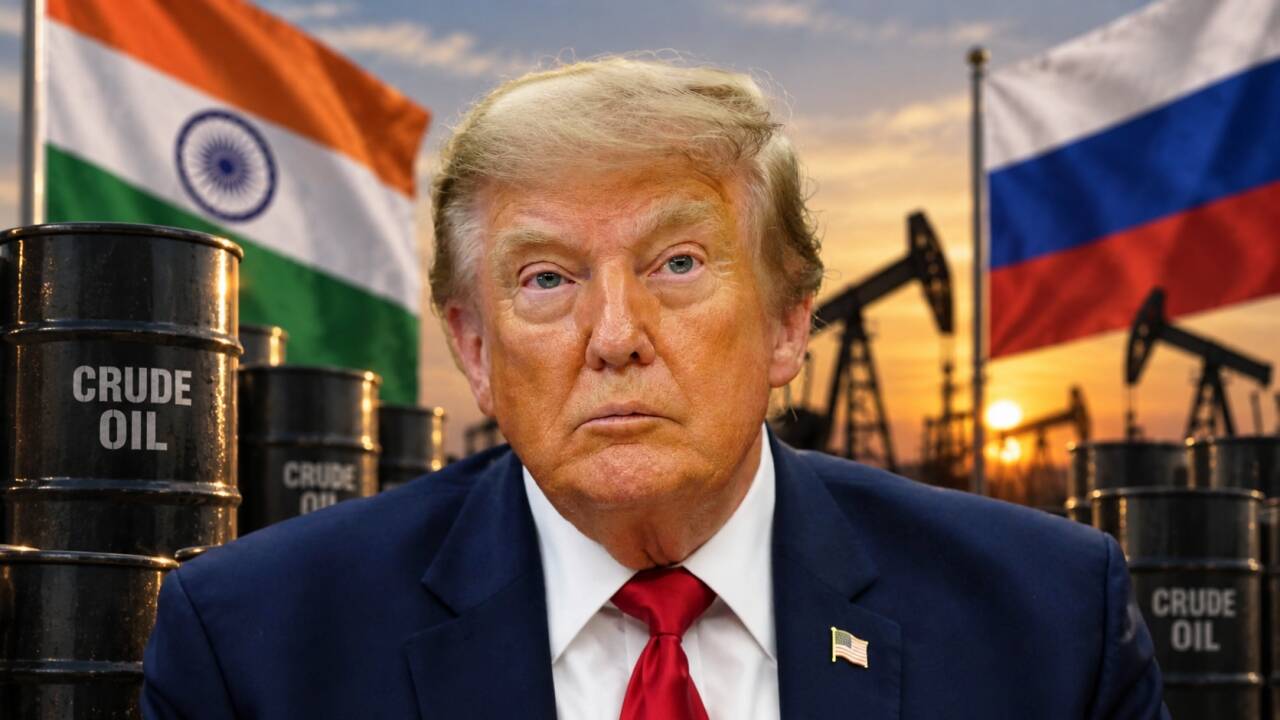
The introduction of aggressive legislative proposals in the United States Congress targeting nations purchasing Russian crude has ignited severe anxiety within South Block. For months, Indian refiners capitalized on heavily discounted Russian petroleum, insulating domestic consumers from global price shocks triggered by Middle Eastern volatility. These discounted barrels saved state-run and private refineries billions of dollars, directly contributing to macroeconomic stability during a turbulent global monetary cycle. Now, the prospect of punitive secondary tariffs of up to one hundred percent threatens to upend these profitable trade corridors entirely. At the heart of the friction lies an ideological clash between American geopolitical containment strategies and India's traditional policy of strategic autonomy. Washington expects emerging economies to align uniformly with its sanctions regime, disregarding the intricate energy security matrix required to power the world's most populous nation. Meanwhile, Indian trade officials argue that abruptly severing ties with Moscow would artificially inflate domestic fuel costs, crippling manufacturing output and punishing ordinary citizens. The standoff exposes the limits of bilateral diplomacy when economic survival collides with superpower hegemony. Should the legislative threat materialize into executive policy, the immediate casualties will be Indian export-oriented sectors reliant on unhindered access to American consumer markets. Refiners may be forced to seek alternative, costlier suppliers in Latin America and West Africa, driving up the fiscal deficit and forcing the central bank to intervene in currency markets. Ultimately, the episode serves as a brutal masterclass in economic coercion, demonstrating how sovereign nations must absorb the collateral damage of distant great power conflicts.
Comments 0