The New Mecca Alliance Signals a Regional Realignment Over Gulf Security
Recent military directives from Tehran targeting Saudi infrastructure have catalyzed a defensive coalition among regional powerhouses. This new strategic alignment directly challenges Iranian influence and shifts the diplomatic calculus across the Middle East.
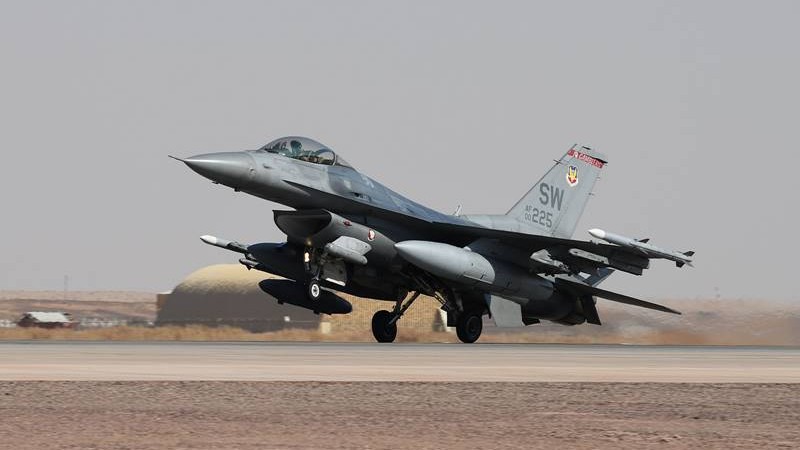
The regional security architecture of the Middle East underwent a quiet yet seismic restructuring following unauthorized drone operations against Saudi territorial assets. Intelligence assessments revealed that senior commanders within the Islamic Revolutionary Guard Corps orchestrated the offensive maneuvers, bypassing diplomatic channels and directly provoking Riyadh. In response to the persistent Houthi aggression backed by external state actors, neighboring Gulf monarchies accelerated the formalization of a collective defense pact designed to deter future incursions. This emerging security framework reflects profound institutional friction between traditional diplomatic deterrence and direct military containment. For years, regional capitals pursued cautious rapprochement with Tehran to insulate domestic economic transformations from proxy conflicts. However, the overt violation of sovereign borders forced a reassessment of these diplomatic overtures. Policymakers in Riyadh and allied capitals concluded that verbal condemnations no longer suffice against asymmetric warfare, necessitating a unified military deterrent backed by integrated air defense networks. The immediate casualties of this geopolitical hardening are the diplomatic backchannels that previously allowed for managed de-escalation in the Persian Gulf. Commercial shipping lanes face heightened insurance premiums, while foreign investors recalibrate the risk profiles associated with long-term infrastructure projects in the region. As the Mecca Alliance solidifies its operational parameters, Tehran confronts a more cohesive and militarily coordinated opposition, setting the stage for protracted economic isolation and heightened regional friction.
Comments 0