The Race Course Mosque: A Legal Siege in the Shadow of Demolition
The Delhi High Court has barred worshippers from entering the historic Race Course mosque, citing imminent structural risks from ongoing demolition activities nearby. The Union government has pledged that no coercive measures will be taken against the Waqf property, yet the court has granted only four weeks to resolve the contentious legal plea.
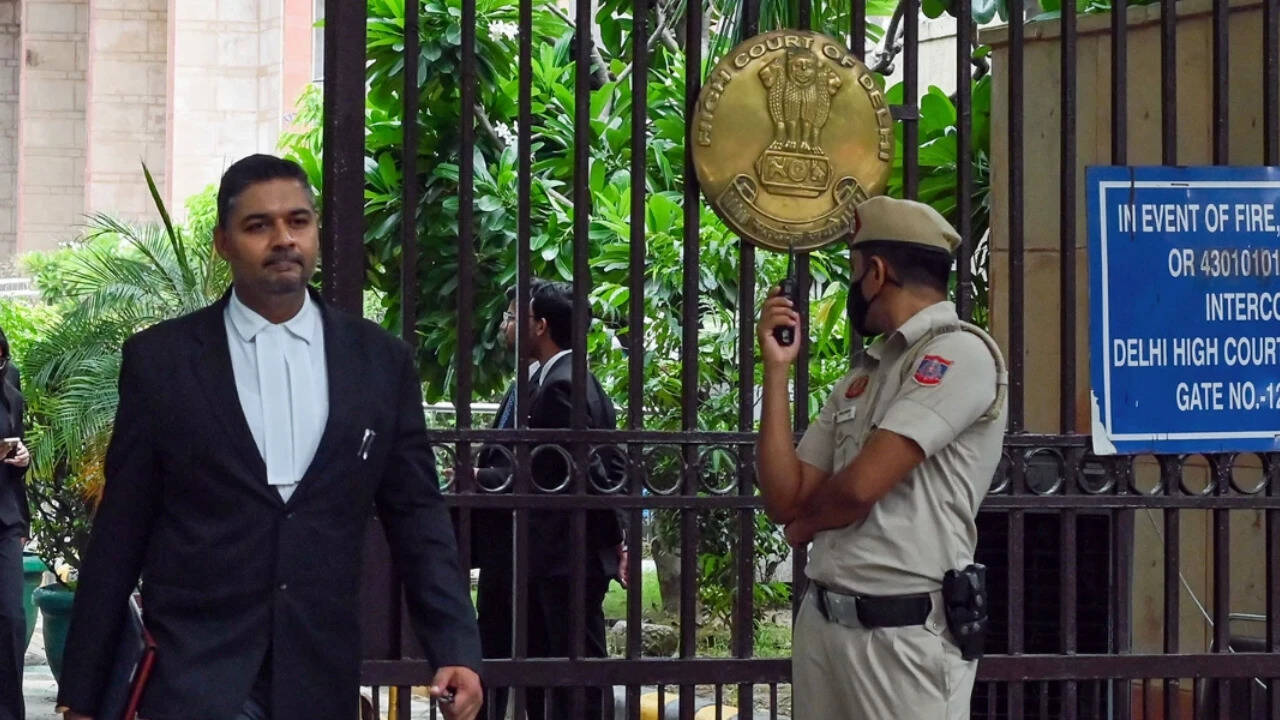
The physical exclusion of devotees from the Race Course mosque marks a tangible rupture in the daily religious life of Delhi's Muslim community. As cranes and heavy machinery operate in the immediate vicinity, the court has determined that the structural integrity of the centuries-old structure is compromised, rendering the interior unsafe for congregation. This decision effectively transforms a place of worship into a zone of restricted access, forcing a community to perform their most sacred rites in the open or at alternative, often distant, locations. The immediate consequence is a profound sense of displacement, where the sanctity of the space is subordinated to the logistical demands of urban redevelopment.
The underlying tension here is not merely about bricks and mortar, but about the competing claims of state authority and religious autonomy. The government's assurance that no coercive action will be taken against the Waqf property attempts to soothe fears of forced acquisition, yet the very presence of demolition crews suggests a predetermined outcome. The legal friction is palpable as the Waqf Board, representing the interests of the Muslim community, navigates a judicial process that feels increasingly like a formality rather than a genuine contest of rights. The four-week timeline imposed by the court places immense pressure on the legal team to secure a definitive ruling before the physical reality on the ground becomes irreversible.
The downstream casualties of this standoff extend beyond the immediate worshippers to the broader social fabric of the capital. The incident has reignited anxieties about the security of minority institutions in a city undergoing rapid transformation. For the Muslim community, the mosque is not just a building but a symbol of historical presence and continuity; its potential loss represents a severing of that historical thread. The tangible outcome of this legal battle will set a precedent for how other heritage sites and religious institutions are treated in the face of state-led development projects, potentially emboldening future encroachments or, conversely, establishing a stronger legal shield for minority properties.
Comments 0