U.S. Administration Seeks to End H‑1B Visa Deference, Raising Stakes for Indian Professionals
The Trump administration announced plans to eliminate the longstanding deference granted to H‑1B visa petitions, a move that could tighten the green‑card backlog for Indian nationals. Industry observers warn of a slowdown in the flow of skilled Indian talent to the United States.
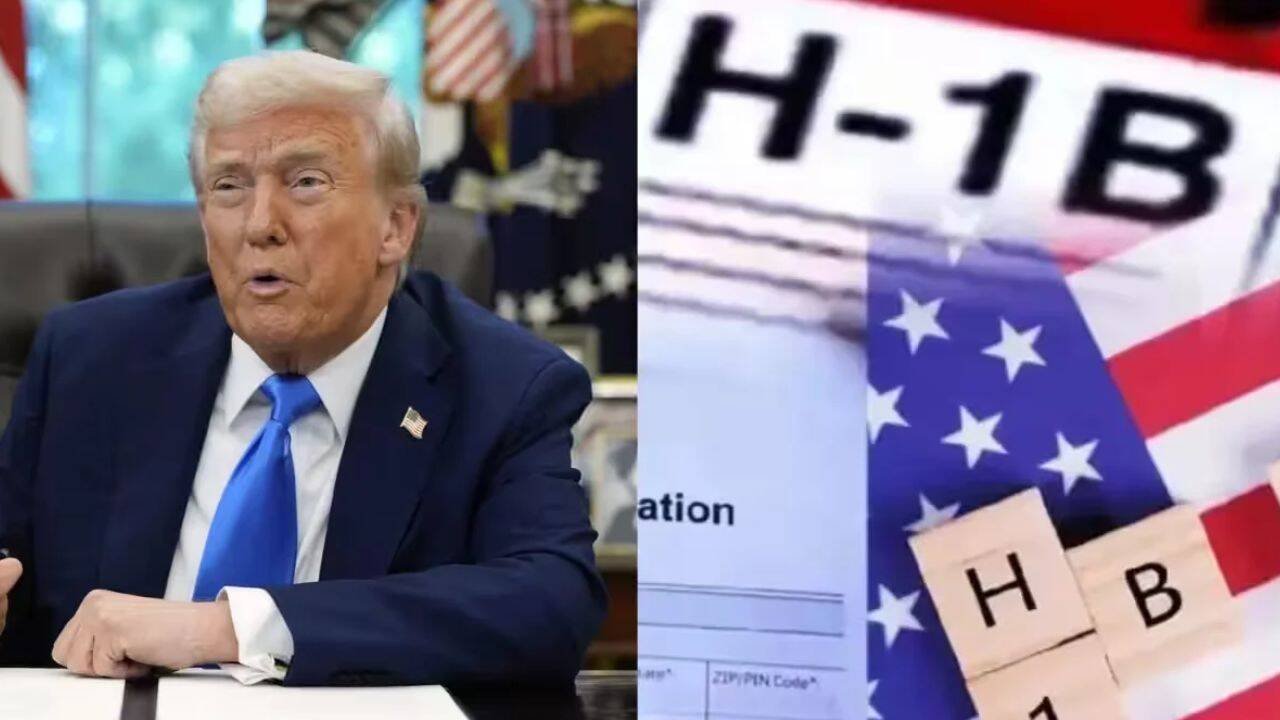
The proposed policy change aims to subject H‑1B petitions to a more rigorous adjudication process, removing the automatic approval that has traditionally expedited applications for highly skilled workers. By tightening the criteria, the administration hopes to address concerns about wage competition and perceived abuses of the visa program. For Indian professionals, many of whom rely on the H‑1B pathway as a stepping stone toward permanent residency, the shift threatens to lengthen an already protracted green‑card queue that has stretched into decades for some.
Underlying tension stems from a clash between immigration reform advocates, who argue for stricter controls to protect domestic labor markets, and technology firms that depend heavily on Indian engineers and scientists. The tech sector has long lobbied for a predictable and swift visa process, citing the essential role of overseas talent in maintaining innovation pipelines. Congressional debates are expected to intensify as the policy could influence upcoming midterm elections, with voter sentiment potentially swayed by perceptions of job security and economic competitiveness.
The downstream consequences of ending H‑1B deference may manifest in several ways. Companies may accelerate recruitment of talent from alternative regions such as Europe or Southeast Asia, reshaping global talent flows. Some firms could increase investment in automation to offset the reduced availability of skilled labor. Additionally, the policy could spur diplomatic dialogue between Washington and New Delhi, as both governments seek to mitigate the impact on bilateral trade and technology collaboration. Over the next year, the United States may witness a measurable dip in the number of new H‑1B approvals, prompting firms to reassess their hiring strategies.
Comments 0