The Shadow of Tariffs: Trump Signs Russia Sanctions Bill and Signals Trade Friction for India
The enactment of a sweeping sanctions bill by the United States administration threatens to penalize nations trading with Russia. This legislative maneuver places India in a precarious diplomatic position as it attempts to balance its historical defense ties with Moscow against its economic alliance with Washington.
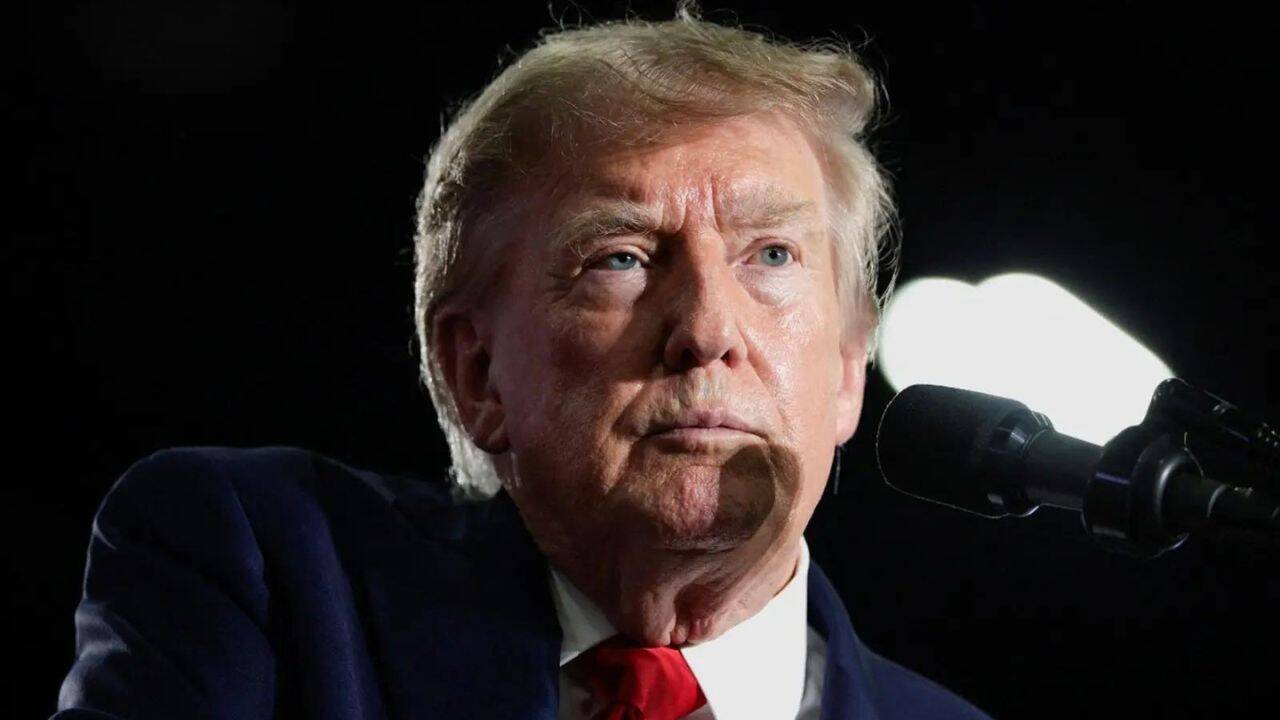
The signing of the new sanctions legislation by the United States executive branch marks a sharp escalation in global economic warfare, threatening to disrupt the delicate equilibrium of international trade. By targeting foreign entities that continue to facilitate transactions with Russian financial institutions, the law introduces a punitive regime of secondary sanctions. For India, a nation that has historically maintained a non aligned stance while expanding its energy imports from Moscow, this legislative shift represents an immediate threat to its macroeconomic stability. Beneath the diplomatic rhetoric lies a deep seated friction between Washington's unilateral enforcement of economic hegemony and New Delhi's insistence on strategic autonomy. The Indian state now faces the daunting prospect of navigating a hundred percent tariff threat on its exports if it fails to comply with the American mandate. This tension exposes the limits of the bilateral partnership, forcing Indian policymakers and financial institutions to weigh the risks of American market exclusion against the necessity of maintaining their defense and energy pipelines with Russia. The immediate casualties of this geopolitical friction are the Indian exporters and financial intermediaries who operate within the dollar denominated global trade system. If Washington enforces these tariffs, major sectors such as pharmaceuticals, textiles, and information technology will face severe margin compression, potentially leading to capital flight and a weakening of the rupee. Ultimately, the outcome is a forced recalibration of India's foreign trade policy, wherein the nation must either accelerate its de dollarization efforts or accept a diminished role in Eurasian commerce.
Comments 0