Washington Enacts Sweeping Sanctions Threatening Secondary Tariffs on Asian Importers
United States leadership has signed a rigorous new sanctions framework targeting commercial partners of Moscow, introducing punitive tariffs of up to one hundred percent on imports from major economies including India and China. This legislative maneuver abruptly alters the terms of bilateral commerce and forces emerging markets into immediate defensive postures.
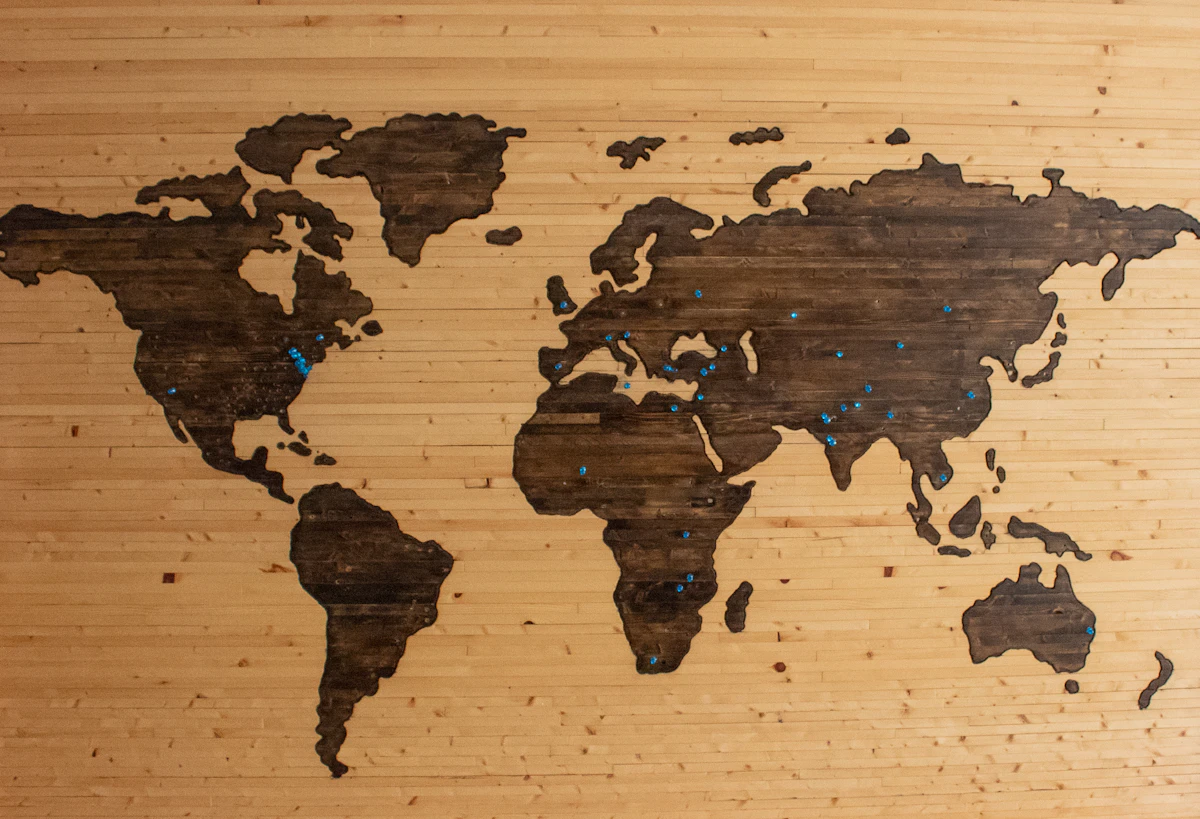
The federal legislation creates an extraordinary enforcement mechanism that penalizes sovereign states for maintaining traditional trading relationships with the Russian Federation. By wielding secondary tariffs as a blunt instrument of foreign policy, Washington seeks to isolate Moscow by penalizing third-party buyers of its commodities. For rapidly expanding economies across Asia, this intervention represents an aggressive intrusion into sovereign economic decision-making and bilateral trade pacts. For months, diplomatic channels buzzed with warnings regarding the hardening stance of Western lawmakers against neutral trading nations. New Delhi and Beijing have consistently defended their sovereign right to secure affordable energy supplies and maintain commercial stability in defiance of Western diktats. The signing of this bill transforms those diplomatic frictions into concrete legal liabilities, effectively weaponizing the American import market against any state refusing to align with unilateral embargoes. Downstream casualties of this statute include major industrial exporters, shipping conglomerates, and foreign exchange reserves across the Global South. As supply chains fracture under the threat of prohibitive tariff walls, corporations must rapidly divest from affected trade corridors or face catastrophic margin compression. Ultimately, this legislation accelerates the fragmentation of the global trading architecture, driving targeted nations to accelerate alternative currency clearing mechanisms and bypass Western financial rails entirely.
Comments 0